



About Mohammed Anjar Ahsan
Mohammed Anjar Ahsan is a PhD scholar at the National Defence University of Malaysia with a deep interest in how information shapes public understanding. Through Quronfula, he explores news, analysis, quizzes, and immersive web stories that help readers make sense of complex topics in a clear, engaging way.
Quronfula is built for curious minds, blending thoughtful journalism with modern storytelling formats to explain what’s happening, why it matters, and how it connects to everyday life. From in-depth analysis to interactive quizzes and visual web stories, the platform focuses on clarity, context, and meaningful insight rather than noise.
Driven by research, curiosity, and responsible storytelling, Mohammed aims to create content that informs, challenges perspectives, and encourages readers to think deeper without overwhelming them.
Latest From This Author
Why People Are Trusting Fake Delivery Tracking Links More Often in 2026
Fake delivery tracking links are becoming more convincing as online shopping grows. Learn why people trust them, how they work, and how to stay safe.
Someone Tried to Login to My Instagram Why More Users Are Seeing This and What to Do Next
Received a warning that someone tried to login to my instagram? Learn how to verify the alert, secure your account, check linked devices, and avoid common mistakes.
Why Are Instagram Login Alerts Appearing More Often? Security Warning or False Alarm?
Receiving an instagram login alert repeatedly? Learn why Instagram sends more login notifications in 2025–2026, when to worry, and how to tell a real threat from a false alarm.
Why the WhatsApp Scam Security Experts Keep Seeing Is Fooling More People in 2026
The WhatsApp scam security experts keep warning about is evolving in 2026. Learn why people fall for it, the warning signs to watch for, and how to protect your account.
Why the WhatsApp Scam Security Experts Keep Seeing Is Spreading Again
The WhatsApp scam security experts continue to track is evolving in 2026. Learn why it spreads so effectively, how criminals gain trust, and the warning signs users often miss.
Why Fake Verification Codes Are Everywhere Right Now and What Users Are Missing
Fake verification codes are becoming more common across WhatsApp, Telegram, Instagram, and banking apps. Learn why users receive them and how scammers use them.
5 Online Scams Growing Fast in 2026: Why More Users Are Getting Caught Off Guard
Online scams 2026 are becoming more convincing through AI, fake verification codes, job fraud, and crypto schemes. Learn why they are spreading and how to stay protected.
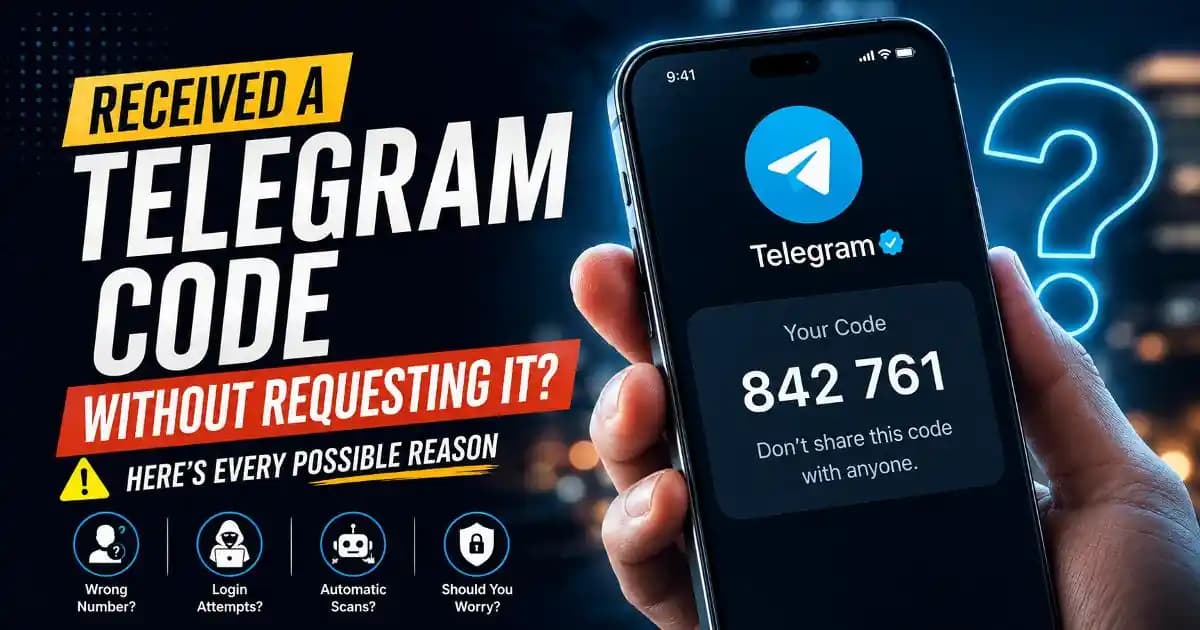
Received a Telegram Code Without Requesting It? Here's Every Possible Reason
Received a Telegram code without requesting it? Learn the harmless and risky reasons behind unexpected codes, how login attempts happen, and when action is needed.
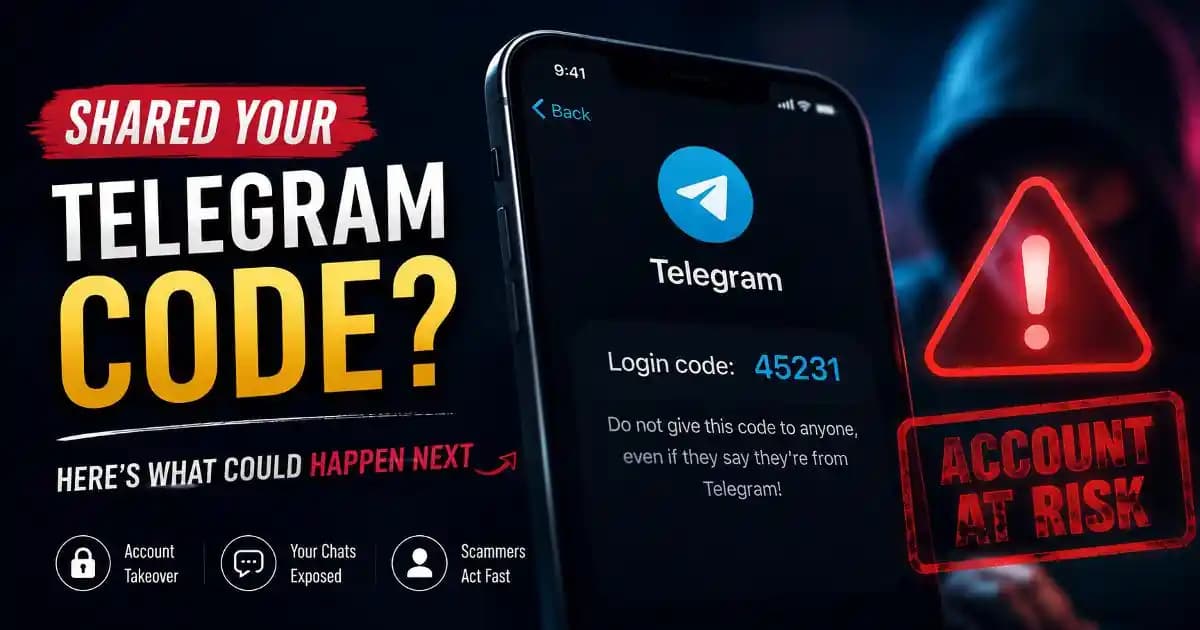
What Happens If You Accidentally Share a Telegram Verification Code? Complete Recovery Guide
Shared a Telegram verification code by mistake? Learn how attackers use it, how quickly account access can change, and the recovery steps that help protect your chats.
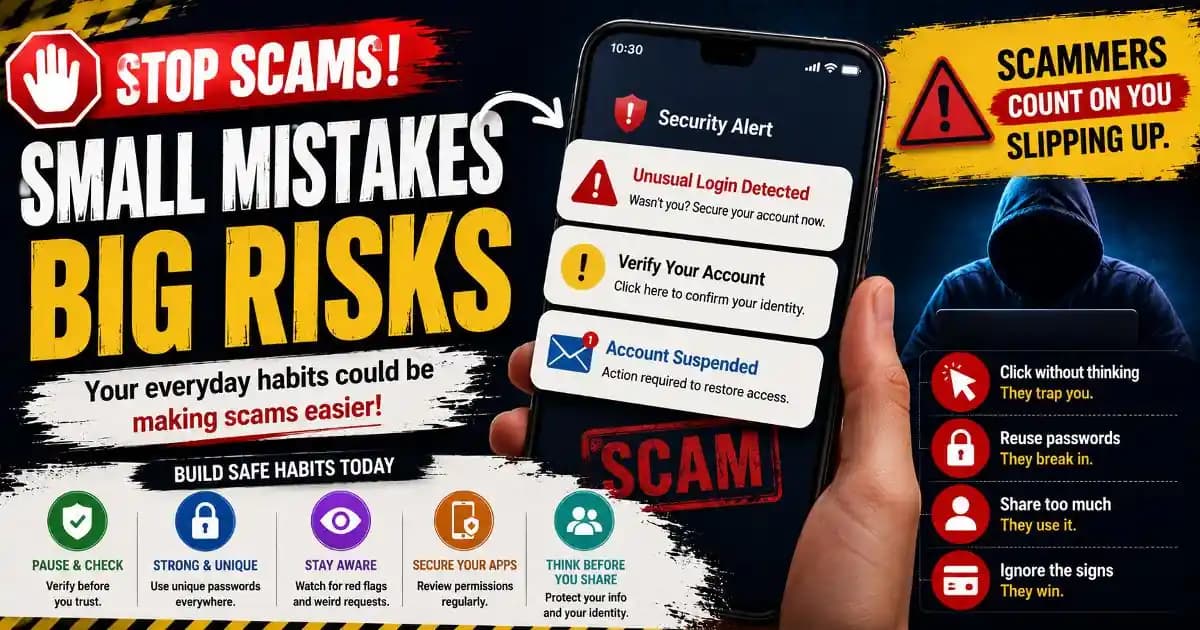
The Small Mistakes That Make Online Scams Easier Today
Online scam mistakes often start with rushed clicks, repeated passwords, and automatic trust. Learn how everyday habits quietly increase digital risk today.