


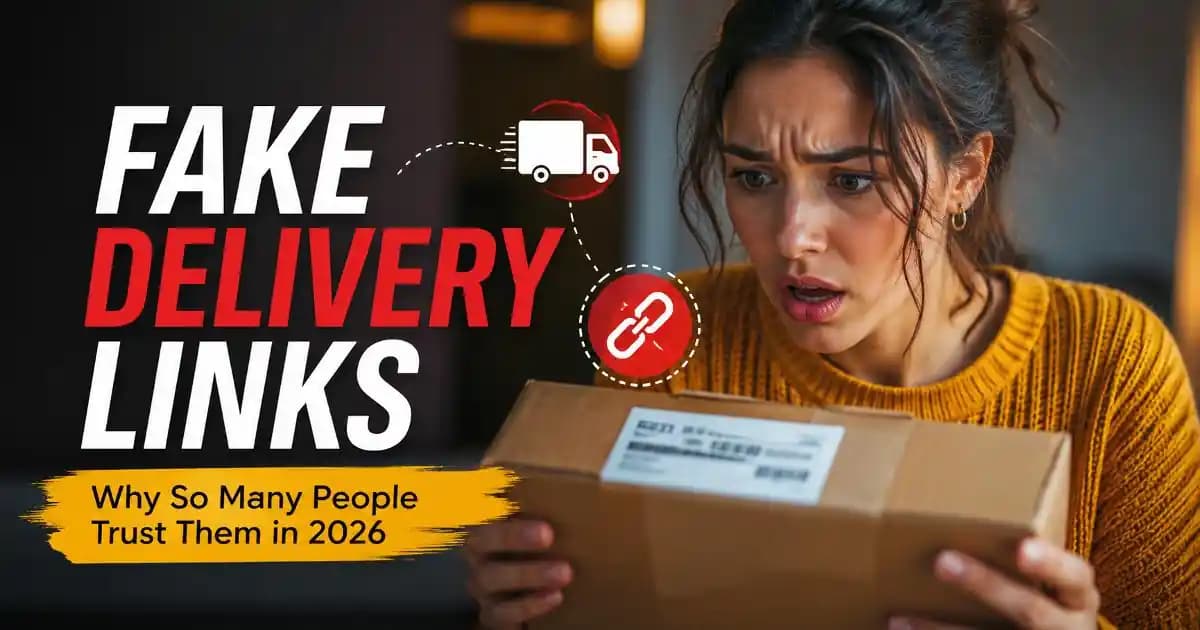
fake delivery tracking link Messages often appear when people are waiting for real orders, which is why many users click before thinking twice. A message saying a package is delayed or needs confirmation can create instant concern, especially when online shopping has become part of everyday life.
During 2025 and 2026, scammers started taking advantage of shopping habits instead of relying on obvious tricks. They know many people receive deliveries every week and expect Tracking notifications from multiple apps and carriers.
Why these messages feel believable
People no longer receive package updates from just one company. Orders come from marketplaces, local delivery services and international sellers. That uncertainty creates opportunities for criminals.
One interesting behavior pattern is that users rarely remember which courier is handling a specific package. Another pattern is that people tend to react emotionally when they think an order may be delayed. A third pattern is that familiar words such as tracking, shipment and delivery create a false sense of safety.
Why this is happening more often now
The growth of e-commerce and automated notifications means suspicious messages blend into normal digital life. Many fake messages arrive through SMS, email and messaging apps. Some even imitate trusted brands and use realistic logos.
Experts in phishing protection and verification security have observed that scammers increasingly focus on urgency instead of technical complexity. They want users to react quickly before asking questions.
What happens after clicking
Some pages ask for personal information. Others request payment for a small delivery fee. Certain sites attempt to steal passwords or card details. In some cases, users are tricked into installing malicious apps, creating an Android SMS permission risk that may expose verification codes.
These attacks are forms of social engineering. Instead of breaking systems, criminals manipulate human behavior.
Why smart people still fall for them
Most victims are not careless. They are busy. They may be shopping for family members, tracking several orders or responding during work hours. Familiar brands reduce suspicion and urgency creates pressure.
Scammers understand normal digital behavior better than many people realize. They design messages around impatience and convenience.
Simple habits that reduce risk
Open delivery apps directly instead of using links inside unexpected messages. Verify orders through official Accounts. Be cautious about requests involving payments or passwords.
Strong account security, identity protection and digital literacy help users recognize manipulation before damage occurs.
Building safer habits
Learning about consumer alerts and online safety is becoming as important as locking a front door. Small pauses before clicking can prevent major problems.
FAQ
Can a fake tracking page steal passwords?
Yes. Some pages imitate real services and collect credentials.
Why do I receive tracking texts without ordering anything?
Scammers send messages to large numbers of people hoping someone is expecting a package.
Are small delivery fees suspicious?
Unexpected payment requests should always be verified through official apps.
Can fake links affect phones?
Some attacks try to install harmful apps or request dangerous permissions.