


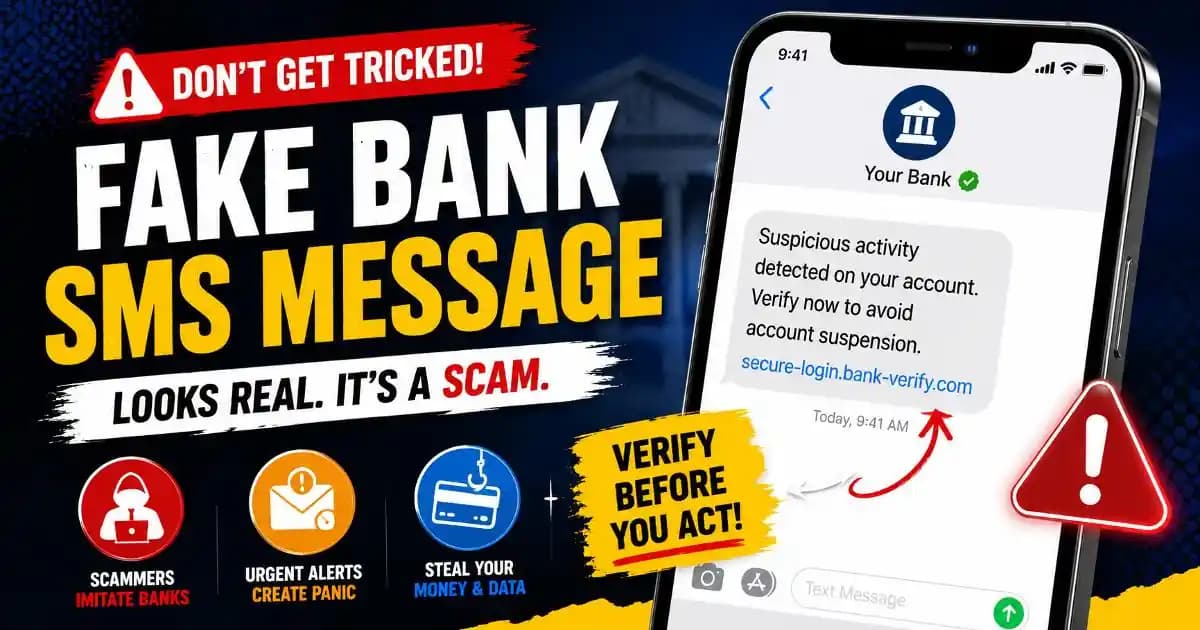
Fake bank SMS messages are catching more people off guard because they no longer look obviously suspicious. A phone vibrates late at night with a message warning about an unauthorized payment, a blocked account, or a failed login attempt. The text appears inside the same conversation thread as real messages from the bank. The logo looks familiar. The wording feels urgent but believable. Many users tap the link before fully thinking through what is happening.
That moment of confusion is exactly what modern SMS scammers depend on.
For years, people were taught to watch for spelling mistakes and strange phone numbers. But banking scams in 2025 and 2026 have evolved far beyond crude text messages. Fraud groups now imitate the structure, timing, and tone of real financial notifications so effectively that even cautious users sometimes hesitate.
Part of the danger comes from how mobile phones shape behavior. Most people read text messages quickly while multitasking. Notifications appear during work meetings, while driving, while shopping, or right before sleep. Users react emotionally to financial alerts because money-related warnings create immediate stress.
Scammers understand this psychology very well.
Why fake banking texts feel real
One reason fake bank SMS attacks work is that criminals increasingly use information already exposed online. Phone numbers, partial names, leaked email addresses, and even fragments of banking activity sometimes circulate through data breaches and underground marketplaces.
This allows scammers to personalize messages in subtle ways. A text may mention the correct bank name, refer to a recent card purchase, or imitate genuine fraud-prevention wording. Some scams even arrive within existing message threads using techniques associated with SMS spoofing.
To many users, the message appears authentic simply because it looks visually connected to previous real bank notifications.
Attackers also understand modern banking habits. Customers are now used to receiving:
- One-time passwords
- Transaction alerts
- Login confirmations
- Fraud warnings
- Temporary account locks
- Payment verification requests
Because these alerts are common, scammers can imitate them without immediately raising suspicion.
This overlap between convenience and trust has become one of the largest challenges in modern consumer alerts and mobile fraud prevention.
How fake bank SMS scams usually work
The goal of most fake bank SMS campaigns is not simply to scare users. It is to push them into acting quickly before they pause and verify the situation independently.
A typical scam message claims:
- A suspicious transaction was detected
- The account will be suspended
- The card has been temporarily blocked
- A payment failed verification
- A login attempt came from another country
The message then includes a link or phone number. Once the user taps the link, several things may happen.
Some fake sites imitate real banking portals and ask for usernames, passwords, card numbers, or one-time verification codes. Others attempt to install malicious applications disguised as security tools. Some scams route victims to fake call centers where attackers impersonate fraud departments.
In many cases, the scam succeeds because the victim believes they are actively protecting their account.
This is one reason social engineering awareness matters so much today. The manipulation depends less on technical hacking and more on emotional pressure, urgency, and trust.
Why banks are difficult to imitate now
Modern banks use sophisticated security systems, but users rarely see the technical side directly. Instead, customers mostly experience security through notifications and authentication prompts.
Scammers exploit this gap in understanding.
Many users assume a message is legitimate if it contains branding, security terminology, or familiar formatting. On small screens, cloned websites and fake login pages can look convincing, especially during moments of panic.
Attackers also increasingly imitate customer support language. Some fake SMS messages invite users to “confirm identity,” “protect the account,” or “prevent fraud immediately.” Those phrases resemble genuine security messaging used by financial institutions.
As a result, users often focus on the fear created by the message rather than verifying where the message actually came from.
Experts in digital literacy increasingly describe this as reaction-based decision making. People respond emotionally first and investigate later.
The role of OTP scams and verification codes
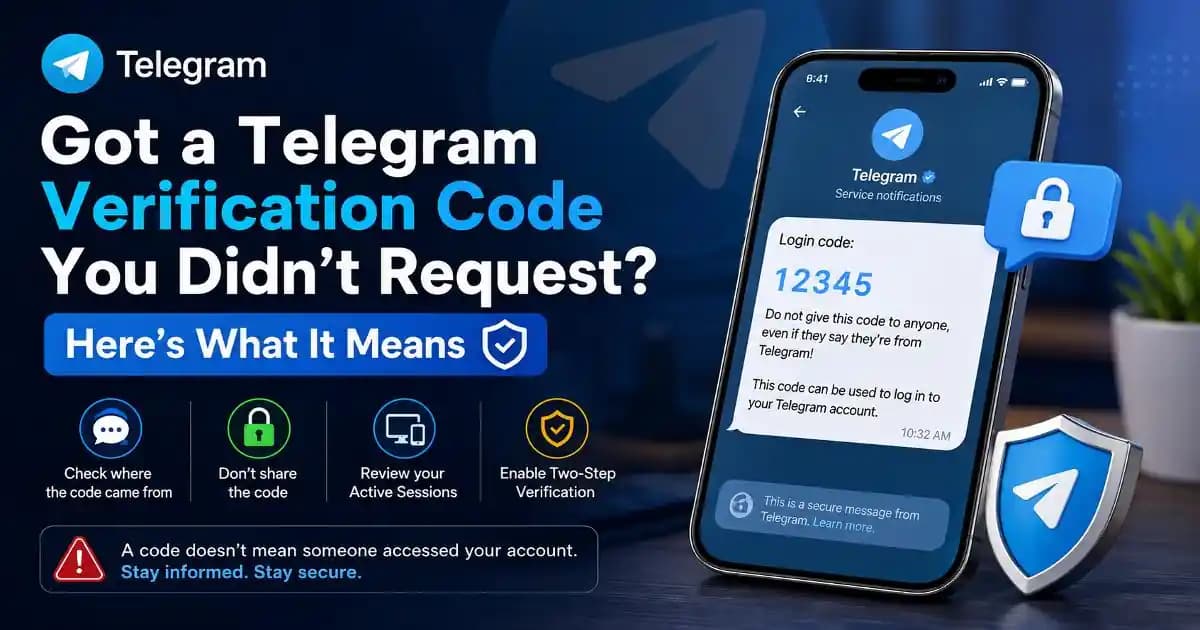
One major trend during 2025 and 2026 involves verification-code theft connected to fake banking alerts. After clicking a fake link or speaking with a scammer, users are often asked to share one-time passwords sent by the real bank.
The attacker may claim the code is needed to cancel fraud, secure the account, or reverse a transaction. In reality, the code often authorizes the scammer’s own login or payment attempt.
This has made verification security a central issue in mobile banking safety discussions.
Many users still believe one-time passwords protect them automatically. But OTP systems only work safely when users understand that the code must remain private under all circumstances.
Legitimate banks generally do not ask customers to read verification codes aloud over unsolicited calls or messages.
Why older and younger users are both targeted
There is a common misconception that only older adults fall for fake bank SMS scams. In reality, fraud campaigns increasingly target every age group differently.
Younger users often move quickly between apps, notifications, and payment platforms. This speed creates opportunities for impulsive decisions. Older users may place higher trust in official-looking communication or phone conversations.
Scammers adapt their tactics accordingly. Some messages imitate digital wallet apps and instant payment services popular with younger audiences. Others focus on traditional banking warnings aimed at retirees or long-time bank customers.
This is why modern online safety education now emphasizes behavioral awareness instead of assuming any single group is immune.
What users should do when receiving suspicious banking texts
The safest response to a suspicious banking message is slowing down before interacting with it. Users should avoid tapping links directly from unexpected texts, even when the message appears urgent.
Instead, open the official banking app manually or contact the bank through trusted phone numbers listed on official cards or websites.
Users should also pay attention to warning signs such as:
- Pressure to act immediately
- Requests for OTP codes
- Links with unusual domains
- Unexpected app download requests
- Threats about account suspension
Enabling multi-factor authentication, reviewing account activity regularly, and improving identity protection habits can reduce long-term risk significantly.
Most importantly, users should understand that modern scams are designed to feel emotionally believable. Feeling temporarily convinced by a fake message does not mean someone is careless or unintelligent. These campaigns are built around human behavior patterns studied carefully by organized fraud networks.
The goal is not constant fear. It is learning how digital trust systems are being manipulated so users can pause, verify, and respond more safely when financial alerts suddenly appear on their screens.
Frequently Asked Questions
Can fake bank SMS messages appear in real bank message threads?
Yes. Some scammers use SMS spoofing techniques that make messages appear alongside legitimate bank texts.
Should I click a bank verification link sent by SMS?
It is safer to open the official banking app or website manually instead of tapping unexpected links.
Why do fake banking messages create panic so effectively?
Financial warnings trigger emotional reactions because users fear losing money or account access.
Can scammers steal money using OTP codes?
Yes. Sharing one-time passwords can allow attackers to approve transactions or log into accounts.
What is the safest way to verify a suspicious bank message?
Contact the bank directly using trusted contact details from official sources.