


WhatsApp scam messages often arrive when people least expect them. A user glances at their phone and sees a message that appears to come from a friend, a family member, a delivery service, or even a trusted company. The request seems ordinary at first. It may ask for a verification code, a quick payment, or help with an urgent problem. Many victims later say the message did not look suspicious until they noticed something was wrong.
Security researchers continue to warn that WhatsApp remains one of the most attractive platforms for scammers because it combines trust, convenience, and constant communication. People use it to speak with relatives, colleagues, schools, businesses, and community groups. Criminals understand that users are more likely to react quickly when a message appears inside an app they use every day.
Why WhatsApp Remains a Prime Target for Scammers
WhatsApp has become deeply integrated into everyday life. Many users receive dozens or even hundreds of messages daily. That volume creates an environment where unusual requests can blend into normal conversations.
Scammers also benefit from the fact that users often trust familiar profile photos and recognizable names. Instead of breaking into sophisticated systems, criminals frequently focus on human behavior. They know people are busy, distracted, and accustomed to responding quickly.
During 2025 and 2026, security professionals observed an increase in scams that rely on account takeovers, impersonation, and verification security manipulation. Rather than sending obviously suspicious messages, scammers increasingly imitate normal social interactions. This shift makes many fraudulent messages appear more believable than older scam attempts.
Another reason these attacks persist is that users often assume messaging apps are inherently safer than email. While platforms invest heavily in security, scammers exploit conversations rather than technical weaknesses. This is a classic example of social engineering awareness becoming just as important as technical protection.
The Most Common WhatsApp Scam in 2026
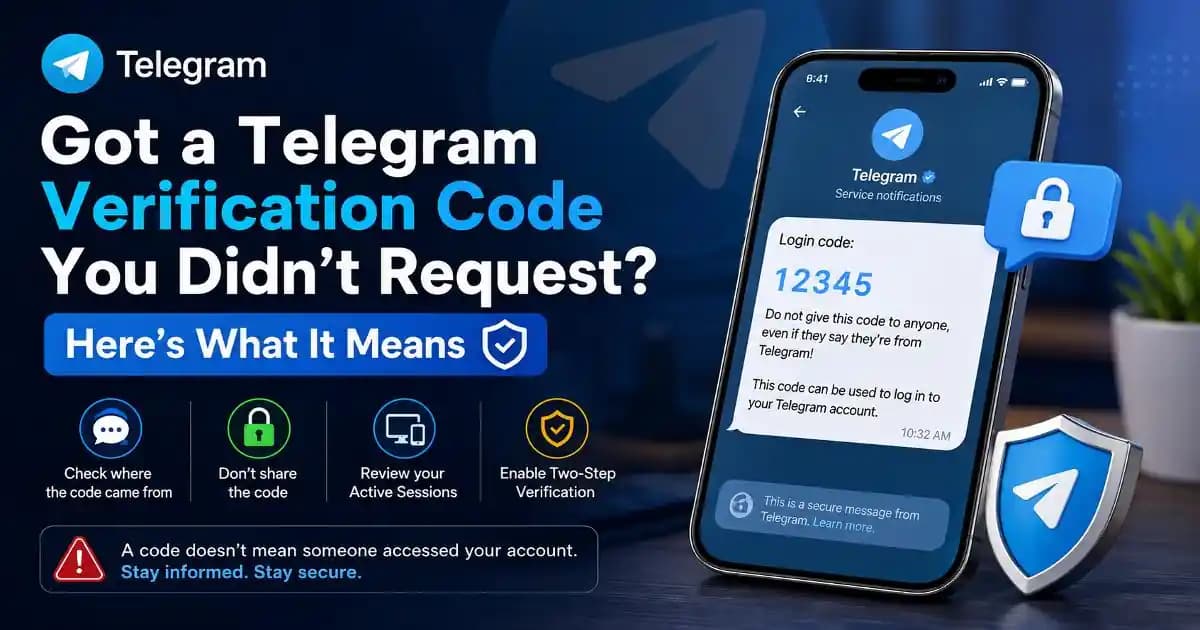
One of the most common WhatsApp scam patterns in 2026 begins with a request involving a verification code. A criminal may attempt to register a victim's phone number on another device and trigger a legitimate authentication message.
Shortly afterward, the victim receives a message from someone claiming they accidentally sent a code or urgently need help recovering an account. In other cases, the message comes from a compromised contact already known to the victim.
The verification code itself is real. The story surrounding it is fake.
This distinction is important because many users believe scams always involve fake messages. Modern attackers increasingly use genuine platform-generated codes and then manipulate victims into revealing them. Once the code is shared, criminals may gain access to accounts, contacts, and ongoing conversations.
Security experts also continue to see fake job offers, investment schemes, customer support impersonation, and fraudulent giveaway campaigns spreading through WhatsApp conversations. However, verification-related scams remain among the most successful because they exploit confusion rather than greed.
How Criminals Manipulate Victims Into Responding
Most successful scams are not built on technical complexity. They are built on psychology.
Criminals frequently create urgency because urgency reduces careful thinking. A victim who believes a friend needs immediate help is less likely to pause and verify details. Similarly, someone worried about losing access to an account may react emotionally before evaluating the situation.
Scammers also rely on familiarity. A message from a known contact feels safer than a message from a stranger. This is why account takeovers can be so effective. Once one account is compromised, attackers can use existing relationships to target additional victims.
Another trend observed during 2025–2026 is the use of partial information gathered from social media and previous data breaches. Small details can make a message seem authentic. When users recognize a name, location, or recent activity, they may assume the sender is legitimate.
One interesting behavioral pattern is that people often trust messages that appear imperfect. A message with minor mistakes may feel more human than a perfectly written message. Criminals increasingly understand this and adapt their tactics accordingly.
Warning Signs You Should Never Ignore
Most WhatsApp scams share a handful of recurring characteristics.
Unexpected requests involving money, authentication codes, gift cards, cryptocurrency, or account recovery deserve immediate scrutiny. Even when the sender appears familiar, it is wise to verify the request through another communication channel.
Messages that create pressure are another warning sign. Scammers often claim something must happen immediately. They may insist an account will be lost, a payment is overdue, or a limited-time opportunity is about to disappear.
Users should also be cautious when a conversation suddenly changes tone. If a friend who normally writes in a particular style begins sending unusual requests, that may indicate account compromise.
Suspicious links remain a major concern as well. Many phishing protection incidents begin with links designed to imitate legitimate websites. These pages may collect login credentials, payment details, or personal information.
Developing strong digital literacy skills often means recognizing patterns rather than focusing on individual messages. The details may change, but the underlying manipulation techniques are remarkably consistent.
What To Do If You Have Already Interacted With a Scam
If you shared personal information, clicked a suspicious link, or provided a verification code, acting quickly can reduce potential damage.
First, secure the affected account immediately. Change passwords where appropriate and enable available security features. Review connected devices and active sessions.
If financial information was involved, contact the relevant bank or payment provider without delay. Monitoring account activity can help identify unauthorized transactions.
Inform trusted contacts if your account may have been compromised. Many scams spread by using existing relationships, so warning others can prevent additional victims.
It is also worth reviewing broader identity protection measures. Criminals sometimes reuse collected information across multiple platforms, making ongoing vigilance important.
Best Practices for Staying Safe on WhatsApp
Strong protection begins with slowing down. Most scams succeed because they create pressure to act before thinking.
Whenever a message requests sensitive information, verification codes, money, or urgent action, take a moment to verify independently. A quick phone call can often reveal whether a request is genuine.
Enable available account security features and keep your device updated. Regular updates often contain important security improvements.
Be cautious about sharing personal information publicly. Small details posted online can help scammers build convincing stories.
Most importantly, remember that modern scams increasingly target human behavior rather than technology itself. The safest users are not necessarily the most technical users. They are often the people who pause, verify, and question unusual requests before responding.
As WhatsApp continues to play a central role in personal and professional communication, scam tactics will continue to evolve. Understanding how criminals exploit trust, familiarity, and urgency can help users make better decisions and maintain stronger online safety habits long after individual scam campaigns disappear.