


Online scams 2026 are appearing in places where people feel most comfortable: messaging apps, job platforms, social networks, banking notifications, and even conversations that seem to come from friends or family. Many victims are not careless users. They are ordinary people responding to situations that appear familiar, urgent, or completely believable.
A growing number of users report the same experience. They receive a message that looks legitimate, hear a voice that sounds exactly like someone they know, or encounter an opportunity that appears too realistic to question. By the time doubts appear, the scam has already achieved its goal.
What makes 2026 different is not simply that scams exist. Online fraud has always existed. What has changed is how quickly scammers adapt to new tools, new platforms, and new user behavior. As people spend more time managing finances, communication, work, and identity through mobile devices, scammers increasingly target those same daily routines.
Why Online Scams Are Increasing in 2026
Several trends are driving the growth of online scams.
First, attackers have access to more publicly available information than ever before. Social profiles, leaked databases, business directories, and public records make it easier to personalize attacks.
Second, digital communication has become faster. Users often make decisions directly from notifications without slowing down to verify details.
Third, scam operations have become more organized. Many now operate like businesses, using scripts, automation, customer-service style interactions, and coordinated campaigns.
An important behavioral shift is also taking place. People have become accustomed to receiving verification codes, login alerts, delivery updates, payment requests, and account notifications. Familiarity creates trust. Scammers understand this and increasingly imitate everyday digital experiences.
The result is a dangerous combination: sophisticated fraud meeting predictable human behavior.
AI Voice and Deepfake Scams
Among the fastest-growing threats are AI voice cloning and deepfake impersonation scams.
In previous years, many fraud attempts failed because attackers could not convincingly impersonate someone known to the target. Today, a short audio sample can sometimes be enough to create a realistic imitation of a person's voice.
Victims increasingly report receiving urgent calls from what appears to be a relative, friend, colleague, or executive. The caller may claim there is an emergency, a payment issue, a legal problem, or an urgent transfer requirement.
What makes these scams effective is not only the technology. It is the emotional pressure. When people believe a loved one needs immediate help, they often act before verifying the situation.
A notable behavioral pattern in 2026 is that users trust familiar voices more than familiar messages. Many people would question a suspicious text but react immediately to a voice they recognize.
This misplaced confidence has become a valuable tool for scammers.
Fake Verification Code Scams on WhatsApp, Telegram and Instagram
Verification systems are designed to improve account protection, yet they are increasingly being used as part of scam campaigns.
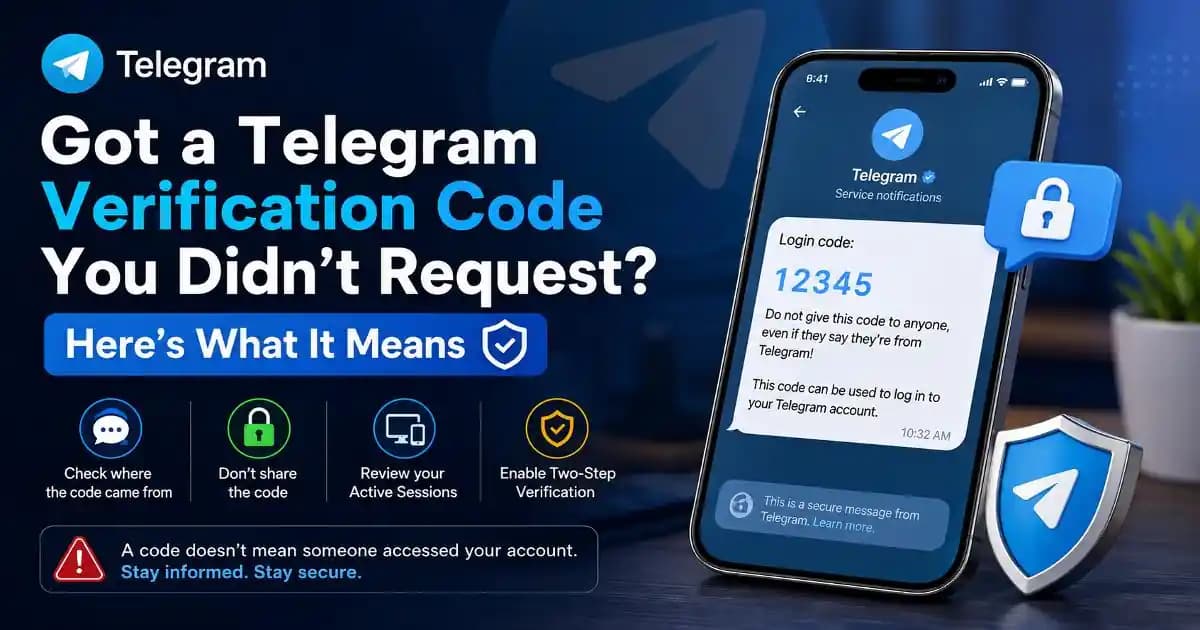
A common scenario begins when a victim receives a legitimate verification code from WhatsApp, Telegram, Instagram, or another platform. Shortly afterward, someone contacts them claiming the code was sent by mistake.
Other scammers pretend to be customer support representatives, business employees, community managers, or even friends who supposedly need help recovering an account.
The objective is simple: convince the user to share the code.
Once the code is disclosed, attackers may gain access to the account and begin impersonating the victim. In many cases, they then target friends and contacts, creating a chain reaction of trust-based fraud.
One reason these scams continue growing is that users increasingly expect verification messages. Because codes arrive frequently during everyday app use, many people stop treating them as sensitive information.
This false sense of familiarity lowers caution and increases risk.
Investment and Cryptocurrency Fraud Trends
Investment scams continue evolving alongside financial trends.
Rather than promising unrealistic riches immediately, many modern fraud schemes focus on appearing professional and credible. Fraudsters create polished websites, convincing dashboards, active social media profiles, and seemingly legitimate customer support channels.
Cryptocurrency remains a common target because transactions can be difficult to reverse once completed.
Many victims first encounter these schemes through social media discussions, messaging groups, dating platforms, or online communities. Trust develops gradually before any financial request appears.
A significant shift during 2025 and 2026 is the use of long-term relationship building. Instead of rushing victims, scammers often spend weeks creating credibility.
People tend to believe fraud only happens when someone acts impulsively. In reality, some of the largest losses occur after extended periods of trust-building.
Job Offer and Remote Work Scams
Job scams have expanded rapidly as remote work opportunities remain popular.
Victims often receive messages offering flexible schedules, attractive salaries, simple tasks, or quick hiring processes. The offers appear especially convincing because many legitimate employers now conduct interviews remotely.
Scammers exploit this shift by creating fake recruitment workflows that closely resemble real hiring procedures.
Some schemes request upfront payments for equipment, training materials, software access, or identity verification. Others collect personal information under the guise of employment paperwork.
An emerging trend involves task-based earning platforms that promise payment for completing simple online actions. Initially, victims may receive small payments, creating trust. Eventually they are asked to deposit money to unlock larger rewards.
The scam works because it feels consistent with legitimate gig economy models that users already recognize.
Why Smart People Still Fall for Scams
One of the biggest misconceptions about online fraud is that only inexperienced users become victims.
In reality, scammers increasingly succeed because they target emotions rather than technical weaknesses.
Urgency, trust, authority, opportunity, curiosity, and fear of missing out remain powerful psychological triggers.
Most victims do not ignore warning signs because they lack intelligence. They overlook them because the situation feels familiar enough to appear safe.
This is why digital literacy matters. Understanding human behavior is often just as important as understanding technology.
How to Protect Yourself From Emerging Online Scams
The most effective protection begins with slowing down. Scammers benefit when people react immediately.
If a message creates urgency, verify independently. If someone requests a verification code, refuse. If an investment opportunity promises unusually consistent returns, investigate further. If a job offer seems unusually easy, confirm the employer through trusted sources.
Enable multi-factor authentication where available, review account activity regularly, protect personal information, and remain cautious when conversations suddenly involve money or sensitive data.
Most importantly, recognize that trust itself has become a target.
The scams growing fastest in 2026 are not necessarily the most technical. They are the ones that successfully imitate normal digital life. Understanding that reality helps users approach unexpected requests with a healthier level of skepticism while continuing to benefit from the convenience of modern online services.