


WhatsApp scam messages often begin with something that feels completely normal. You glance at your phone, see a message from a familiar contact, and assume it is safe to open. A friend appears to need help. A family member seems locked out of an account. A company appears to be verifying information. By the time many users realize something is wrong, they have already shared information or clicked a link they should have questioned.
Security researchers continue to warn about WhatsApp scams because they exploit something technology cannot easily fix: human trust. Unlike older internet scams that relied on obviously suspicious emails or poorly written messages, many of today's attacks feel personal, familiar, and believable.
What makes this trend particularly important in 2026 is that scammers have become better at blending into everyday conversations. Instead of trying to trick thousands of people with the same message, they increasingly tailor their approach to individual users and social circles.
Why WhatsApp Remains a Prime Target for Scammers
WhatsApp has become one of the most frequently used communication platforms in the world. People use it to talk with family, coordinate work, manage communities, receive deliveries, communicate with businesses, and stay connected while traveling.
That constant activity creates an environment where suspicious messages can easily blend into legitimate conversations. When users receive dozens of notifications every day, they often respond automatically rather than carefully evaluating every request.
Criminals understand this behavior. They know that people trust familiar profile photos, known contacts, and ongoing conversations. Rather than attacking software, many scammers focus on manipulating human decisions.
Another reason WhatsApp remains attractive is that users often associate messaging apps with personal trust. Many people are naturally more cautious when opening unexpected emails than when reading messages from a contact they already know.
This difference in perception helps explain why social engineering attacks continue to succeed despite growing awareness of online safety risks.
The Most Common WhatsApp Scam in 2026
The most commonly reported WhatsApp scam in 2026 involves account takeover attempts connected to verification systems.
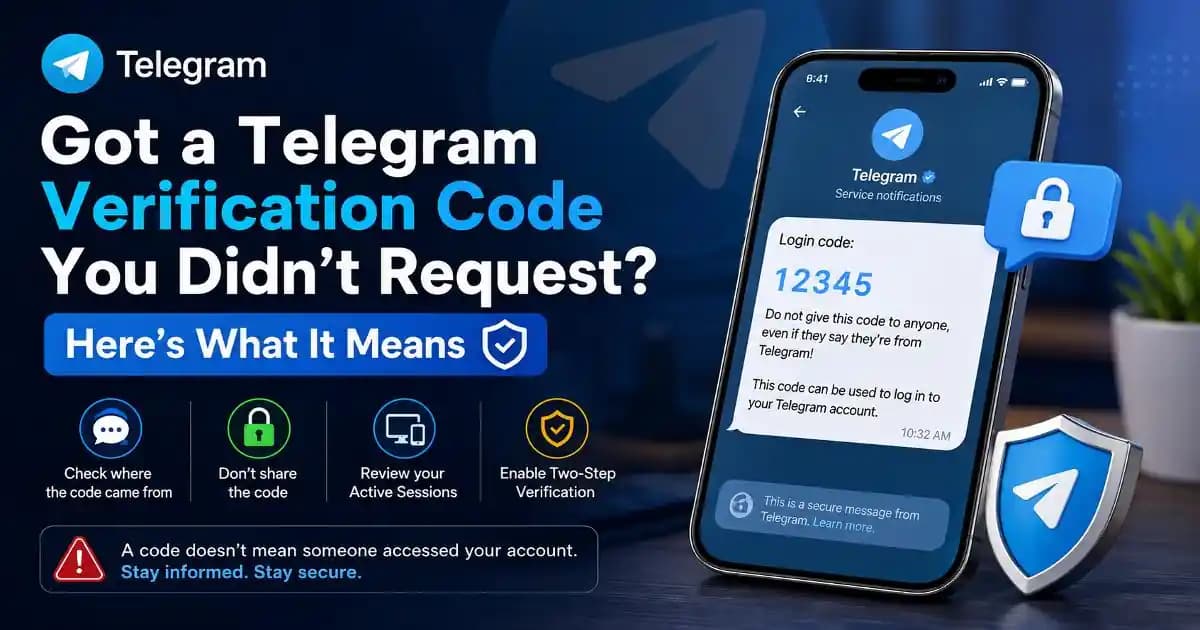
In a typical scenario, a victim receives a legitimate verification code generated by a platform. Shortly afterward, another message arrives claiming that the sender accidentally used the victim's number or urgently needs help recovering access to an account.
The code itself is real. The story behind the request is not.
Many victims become confused because they receive an authentic security code and assume the request must also be legitimate. Criminals take advantage of that confusion. Once the code is shared, attackers may gain access to an account and use it to target additional contacts.
Security teams have also observed growth in WhatsApp impersonation scams, fake customer support conversations, fraudulent investment groups, and giveaway schemes. However, verification-related scams continue to generate significant success because they exploit trust rather than technical weaknesses.
How Criminals Manipulate Victims Into Responding
One of the most interesting observations from recent scam campaigns is that criminals rarely ask users to make obviously irrational decisions. Instead, they create situations that feel emotionally reasonable.
If a friend appears to be in trouble, helping feels natural. If an account appears at risk, acting quickly feels responsible. If a trusted contact asks for assistance, cooperation feels polite.
Scammers carefully build these situations because urgency changes how people process information. When users believe something requires immediate action, they often skip verification steps they would normally follow.
Another pattern seen throughout 2025 and 2026 is the increasing use of partial personal information. Criminals frequently gather names, workplace details, locations, and relationship information from public sources. Small details can make a fraudulent conversation feel surprisingly authentic.
An unexpected behavioral insight is that many users now distrust messages that look too professional while trusting messages that seem casual and imperfect. Criminals have adapted accordingly. Some deliberately imitate everyday conversation styles because they appear more believable than formal communication.
This shift illustrates how scam tactics evolve alongside user behavior.
Warning Signs You Should Never Ignore
Although individual scams vary, several warning signs appear repeatedly.
Unexpected requests involving money, verification codes, passwords, account recovery, cryptocurrency, or financial assistance deserve careful scrutiny.
Messages that create pressure should also raise concern. Scammers frequently claim there is limited time to act, an account will be lost, or a problem must be solved immediately.
Changes in communication style can be another indicator. If a contact suddenly begins making unusual requests, using unfamiliar language, or behaving differently than normal, it may indicate account compromise.
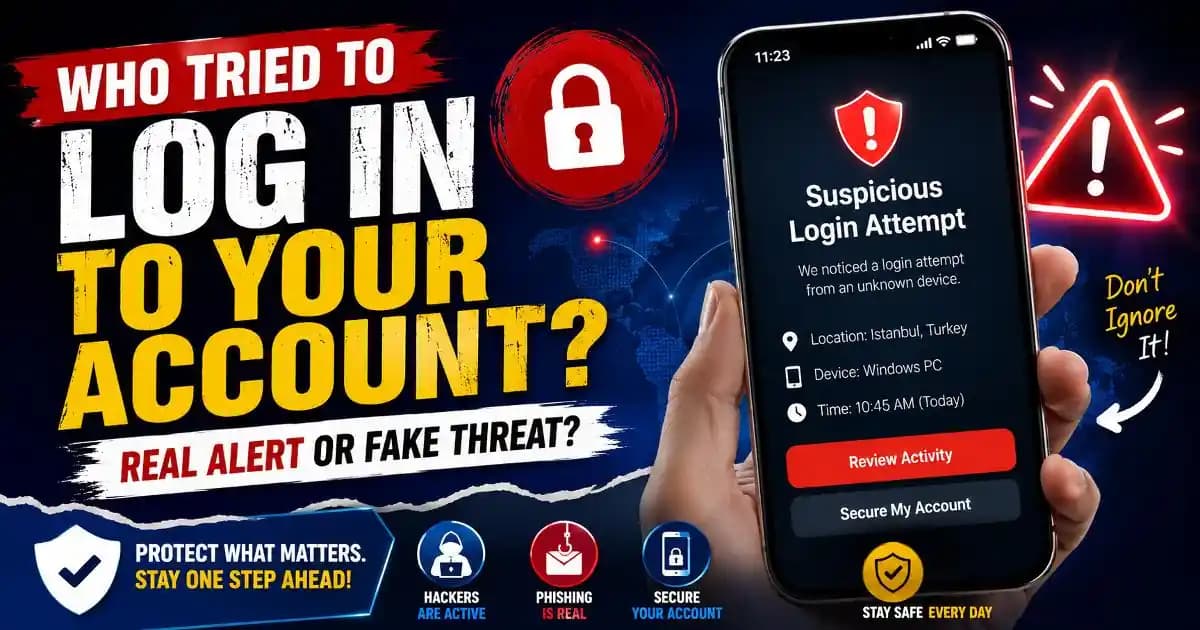
Suspicious links remain one of the most common tools used in phishing protection investigations. These links often imitate legitimate services and attempt to collect login credentials, payment information, or personal data.
Strong digital literacy is often less about spotting a specific scam and more about recognizing recurring manipulation techniques.
What To Do If You Have Already Interacted With a Scam
If you have shared information, clicked a suspicious link, or provided a verification code, taking action quickly can reduce potential harm.
Begin by reviewing account security settings and changing relevant passwords. Check whether unknown devices have gained access to your accounts.
If financial information may have been exposed, contact the appropriate financial institution as soon as possible and monitor account activity.
Inform trusted contacts if you believe your account was compromised. Many scams spread through existing relationships, and early warnings can prevent additional victims.
It is also wise to review broader identity protection practices. Information collected during one scam can sometimes be reused in future fraud attempts.
Best Practices for Staying Safe on WhatsApp
The most effective defense is often surprisingly simple: slow down.
Scammers rely on quick reactions. Taking even a few moments to verify a request can dramatically reduce risk.
Whenever someone asks for sensitive information, verification codes, payments, or urgent assistance, confirm the request through another communication method whenever possible.
Enable available account protection features and keep devices updated. Security improvements frequently address emerging threats and strengthen authentication processes.
Users should also think carefully about the personal information they share publicly. Details posted online can help criminals create convincing stories that feel trustworthy.
Perhaps the most important lesson from recent WhatsApp scams is that attackers increasingly target human behavior rather than technology. The people who stay safest are not necessarily those with the most technical knowledge. They are often the users who pause, verify, and question unexpected requests before acting.
As messaging platforms continue to play a larger role in daily life, understanding these manipulation tactics will remain an important part of online safety, digital literacy, and long-term account protection.