


Ravi wasn’t doing anything unusual that evening, and even not on WhatsApp. He was replying to a few Messages, scrolling through family photos, and planning a weekend trip with friends all inside WhatsApp, like he had done a thousand times before.
Then his phone buzzed.
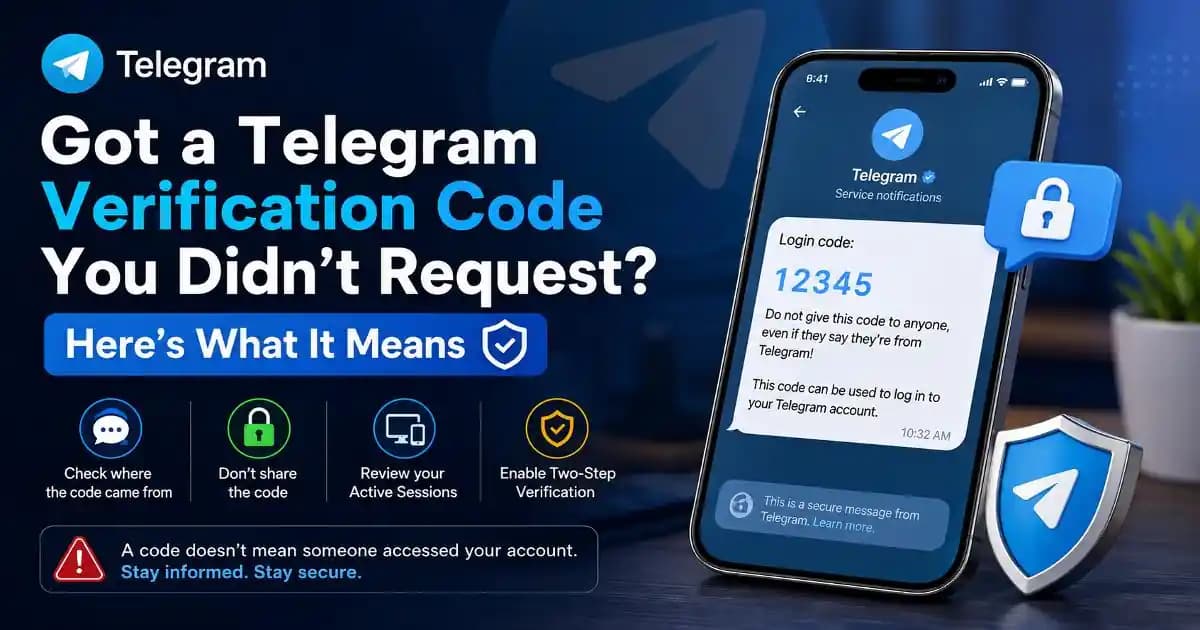
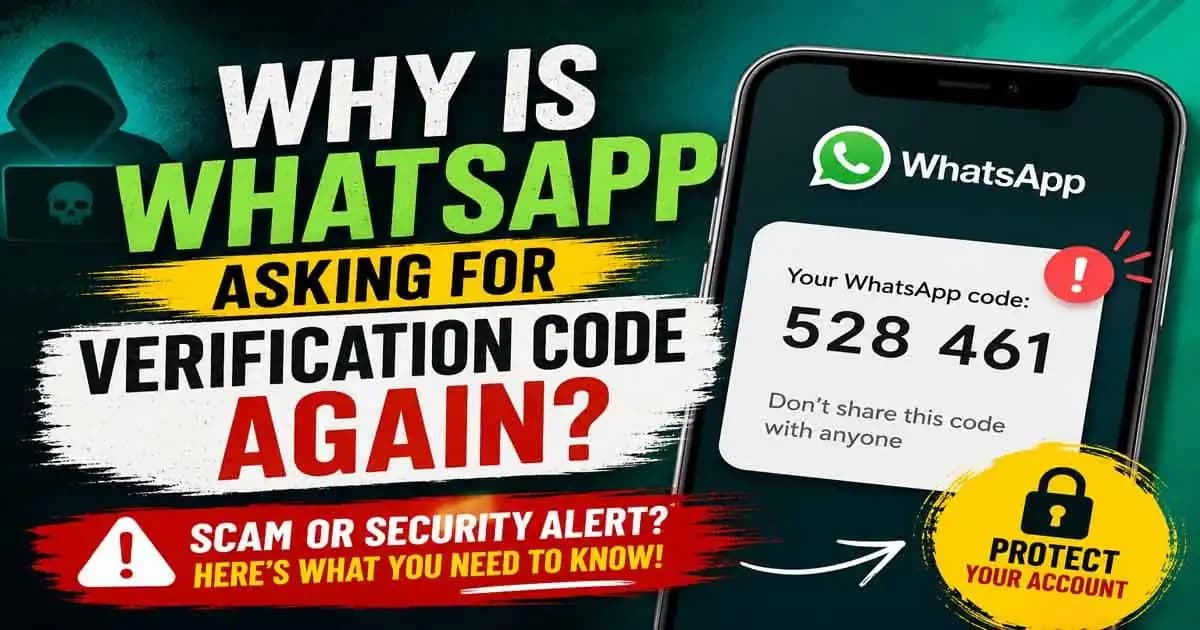
A six-digit code arrived via SMS.
“Your WhatsApp code is 472918. Do not share this code with anyone.”
He paused.
That was strange. He hadn’t logged out. He hadn’t Changed phones. He hadn’t even opened WhatsApp settings.
For a second, he ignored it. Maybe it was a glitch.
Then, less than a minute later, another message came in.
Another code.
Now he felt it that quiet discomfort. The kind you can’t explain immediately, but you know something isn’t right.
This is exactly the moment most people search for WhatsApp asking for verification code again not because they’re curious, but because something feels wrong.
When “nothing happened” is actually something happening
Ravi did what many people do. He opened WhatsApp. Everything looked normal. His chats were there. No warning Messages. No alerts.
So he assumed it was harmless.
But behind the scenes, something very specific was happening.
Someone, somewhere, had entered Ravi’s phone number on another device and was trying to register it on WhatsApp. That’s how WhatsApp works it sends a verification code to confirm that the person trying to log in actually owns the number.
The system was doing its job.
But Ravi didn’t know that someone else had initiated that process.
To him, it just looked like random codes.
The second layer: where the real scam begins
About ten minutes later, Ravi got a WhatsApp message not from a stranger, but from a familiar contact.
It was his colleague, Suresh.
“Hey Ravi, did you just receive a code? I accidentally entered your number. Can you send it to me? Urgent.”
This is where things usually go wrong.
Because now the situation feels explainable.
The random code has a reason.
The sender is someone you know.
And the request feels simple.
Ravi hesitated, but not for long. It seemed harmless. After all, it was just a code.
He shared it.
What actually happened in that moment
The second Ravi sent that code, he unknowingly handed over access to his WhatsApp account.
The person messaging him wasn’t really Suresh. His colleague’s account had already been taken over earlier using the exact same trick.
Now the attacker had Ravi’s number and the verification code.
Within seconds, Ravi’s WhatsApp was logged out from his phone.
A message appeared: “Your phone number is no longer registered on this device.”
That’s when it hit him.
Why this scam works so well
There’s nothing technically complex about this kind of attack. No hacking tools, no passwords cracked, no sophisticated malware.
Just timing, psychology, and familiarity.
It works because:
- People trust messages from known contacts
- A verification code feels harmless and temporary
- The situation seems logical when someone explains it
- There’s usually a sense of urgency
Most importantly, it doesn’t feel like a scam.
It feels like helping someone.
The confusion around repeated verification codes
Not every case of WhatsApp asking for verification code again is a scam but many are early warning signs.
Here’s what repeated codes usually mean:
- Someone is trying to log into your account from another device
- Your number may have been shared, leaked, or guessed
- You might be targeted randomly or through a chain (like Ravi was)
Sometimes it’s accidental. Someone mistyped a number.
But when it happens repeatedly or is followed by messages asking for the code it’s almost never innocent.
What Ravi learned (the hard way)
Ravi managed to recover his account after a stressful few hours. But during that time, the attacker had already messaged his contacts, asking them for money and codes.
A few of his friends almost fell for it.
Looking back, Ravi realized the signs were there:
- He didn’t request the code
- It came multiple times
- The follow-up message felt slightly rushed
- The explanation didn’t fully make sense
But in the moment, none of that felt obvious.
That’s how these situations work they don’t give you time to analyze.
The simple rule that prevents most of this
There’s one rule that would have stopped everything:
Never share your WhatsApp verification code with anyone. Not even someone you know.
That code is not just a number.
It’s access.
A more realistic way to think about it
Instead of thinking, “It’s just a code,” it helps to think:
“If I share this, I’m giving someone the keys to my account.”
Because that’s exactly what it is.
WhatsApp doesn’t need you to send that code to another person. Ever.
No friend, colleague, or support agent should ask for it.
What to do if this is happening to you right now
If you’re currently seeing WhatsApp asking for a verification code again:
Pause.
Don’t panic but don’t ignore it either.
- Do not share the code with anyone
- Turn on two-step verification in WhatsApp settings
- Inform close contacts not to trust unusual messages from you
- If you’ve already shared the code, try to re-register your number immediately
These steps are simple, but timing matters.
Why does this keep happening to so many people
Because it blends into everyday life.
There’s no obvious red flag like a fake website or suspicious link.
Just a message. A code. A request.
And that’s what makes it effective.
A final thought
Ravi now tells this story often not because he wants to warn people in a dramatic way, but because he knows how normal it felt at the time.
There was no moment where he thought, “This is a scam.”
Just small decisions, one after another.
And it started with something as simple as WhatsApp asking for a verification code again.