


Telegram 6 digit code scam searches have surged because more users are suddenly seeing verification codes arrive on their Phones without trying to log in. In many cases, the message appears late at night, during work hours, or while the phone is sitting untouched on a desk. A few minutes later, someone calls pretending to be from Telegram support, a delivery company, a recruiter, or even a friend asking for “the code you just received.” That small moment of confusion is exactly what scammers depend on in 2026.
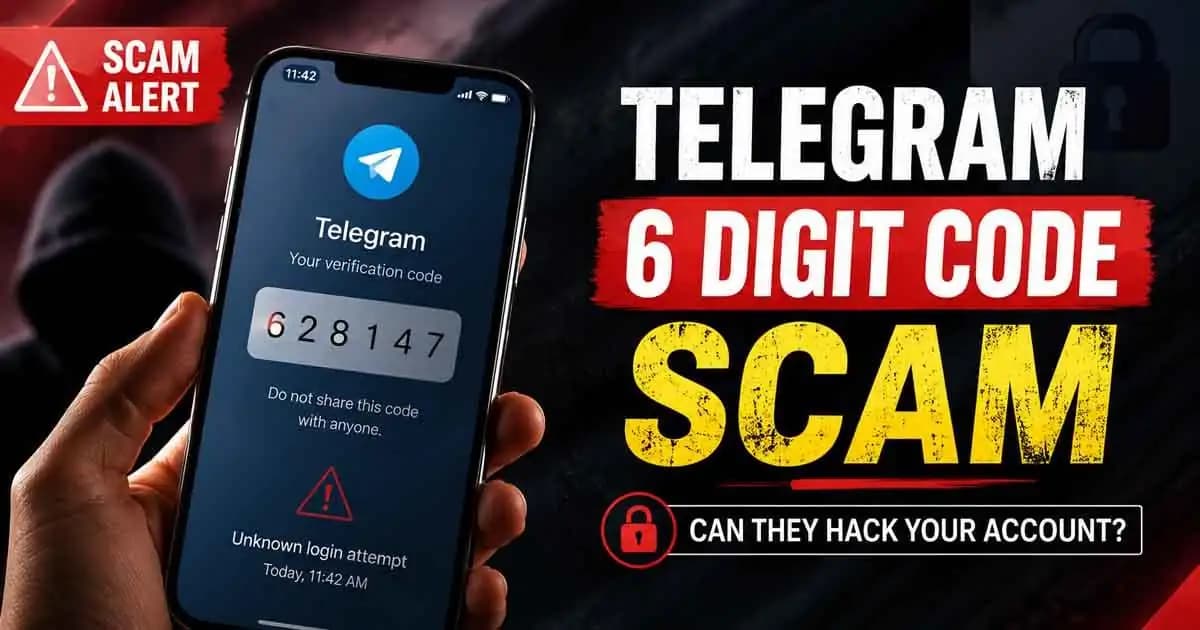
The six-digit code itself is not random spam. It is a real Telegram loginverification code. And if another person gets access to it, they may be able to sign into your Telegram account from another device.
That is why this scam continues to spread globally across WhatsApp messages, fake job offers, social media DMs, phishing pages, and phone calls.
Why Telegram Sends a 6-Digit Code
Telegram uses verification codes to confirm identity when someone tries to log into an account. The system is designed to prevent unauthorized access. Normally, when you enter your phone number into Telegram on a new device, Telegram sends a temporary code either through SMS or directly inside the Telegram app on another logged-in device.
The code is essentially a temporary key.
Without it, the login attempt usually cannot continue.
The problem is not the code itself. The problem is that scammers manipulate people into willingly giving it away.
Many users still assume hacking only happens through malware or sophisticated software. But Modern account theft often relies more on psychological manipulation than technical attacks.
That is why the telegram 6 digit code scam works surprisingly well.
The Scam Usually Starts Before the Code Arrives
Most people imagine the scam begins with the message containing the code. In reality, the setup often starts earlier.
A scammer may already know your phone number from:
- Data leaks
- Public social media profiles
- Business listings
- Fake giveaways
- Shopping websites
- Old messaging groups
Once they have your number, they Attempt a Telegram login using your phone number. Telegram then automatically sends the verification code to you.
At this point, the attacker still cannot access your account.
The real attack begins when they try to convince you to share the code.
Sometimes they pretend the code was sent “by mistake.” Other times they create urgency:
- “Your account will be suspended.”
- “We need to verify your identity.”
- “Your package delivery failed.”
- “Your job application requires confirmation.”
- “Someone reported your Telegram account.”
The wording changes constantly because scammers adapt to current trends and fears.
Why So Many People Fall for It
The scam succeeds because the situation feels believable.
People are already used to receiving verification codes for banking apps, food delivery services, streaming accounts, and social platforms. The process feels routine. Many users react automatically without slowing down to think about why the code arrived.
Another reason is timing.
Attackers often contact victims immediately after triggering the code request. That creates the illusion that the message and the caller are connected.
In 2025 and 2026, scammers have also become more convincing through AI-generated voice calls, localized language, and spoofed caller IDs. Some fake support agents now sound extremely professional.
For mobile users especially, fast interactions increase mistakes. A person checking Notifications quickly during work or travel may share information without fully reading the warning message attached to the code.
And Telegram’s warning messages usually do contain warnings like:
“Do not share this code with anyone.”
But many people overlook that line under pressure.
What Happens If Someone Gets Your Telegram Code
If an attacker successfully logs into your Telegram account, the consequences can extend beyond simple messaging access.
Depending on your settings, they may be able to:
- Read private conversations
- Impersonate you
- Contact friends and family
- Access saved media or files
- Join scams using your identity
- Target business contacts
- Attempt cryptocurrency fraud
Telegram has become deeply connected to communities, workgroups, creators, trading channels, and personal networks. That means a compromised account can quickly become a trust weapon.
Victims often realize something is wrong only after friends start receiving strange messages.
In some cases, attackers also delete Alerts or quietly remain connected through additional devices.
The Difference Between a Scam and a Direct Hack
This is where confusion often happens online.
Many users ask:
“Can someone hack my Telegram with just my phone number?”
Usually, the answer is no.
A phone number alone is generally not enough. The attacker typically also needs the verification code or access to another logged-in session.
That distinction matters because the scam depends on human interaction.
Most victims are not technically hacked through advanced cyberattacks. Instead, they are socially engineered into bypassing Telegram’s own security protections.
This is also why enabling extra protections matters so much.
Why Two-Step Verification Changes Everything
Telegram offers an additional security layer often called Two-Step Verification or cloud password protection.
This feature adds a separate password on top of the six-digit login code.
So even if someone tricks you into sharing the code, they still cannot fully access the account without the second password.
Many users never enable this setting because they assume the SMS or app code alone is enough.
But in 2026, security experts increasingly recommend enabling secondary authentication on every major platform, especially messaging apps connected to personal or financial communities.
How Scam Patterns Have Evolved
A few years ago, Telegram scams were easier to recognize. Messages were poorly written, random, or obviously suspicious.
Now the ecosystem looks very different.
Modern scams often involve:
- Fake customer support accounts
- AI-generated profile photos
- Realistic websites
- Regional languages
- Personalized targeting
- Fake verification workflows
- Cross-platform impersonation
Some attackers even monitor public conversations before contacting targets.
This evolution reflects a larger trend across digital fraud. Scammers no longer rely only on mass spam. Increasingly, they create believable interactions tailored to specific people.
Telegram is not alone in this. Similar verification-code scams now affect WhatsApp, Instagram, Signal, banking apps, and email accounts.
What a Telegram Verification Code Actually Does
Many users misunderstand verification codes because they seem temporary and harmless.
But the code represents active permission.
When shared, it tells Telegram’s systems that the person entering the code is authorized to access the account.
That is why Telegram repeatedly warns users never to share it with anyone including people claiming to be support staff.
For a deeper explanation of how these login systems work, see: What a Telegram Verification Code Actually Does.
Why This Scam Keeps Growing
The telegram 6 digit code scam continues growing because it combines three powerful factors:
- Massive smartphone usage
- Human urgency
- Trust-based manipulation
It also scales easily.
Attackers can automate code requests while simultaneously sending phishing messages across multiple platforms.
And unlike malware attacks, these scams often leave fewer technical traces because victims voluntarily provide access.
That makes prevention more dependent on awareness than antivirus software.
The Most Important Thing to Remember
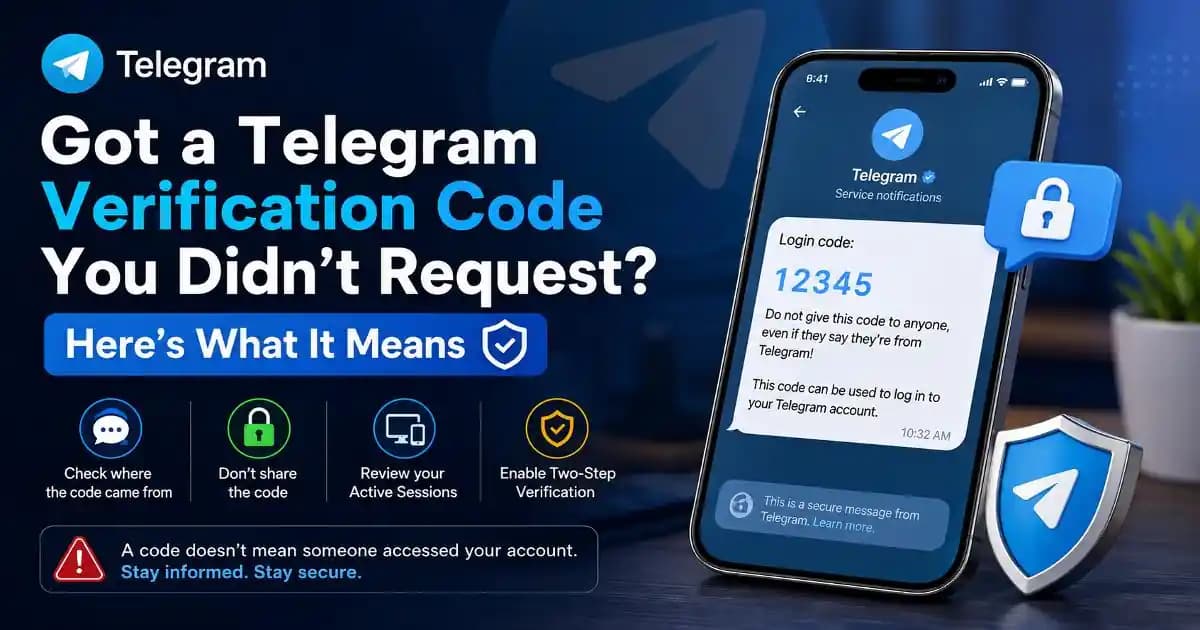
If you receive a Telegram verification code you did not request, someone is probably attempting to log into your account.
That does not automatically mean they succeeded.
The real danger begins only if the code is shared.
Ignoring the request, securing your account, enabling Two-Step Verification, and reviewing active sessions inside Telegram are usually enough to stop the attempt.
The biggest misconception is believing that verification codes are harmless temporary numbers. In reality, they are short-term access keys tied directly to your digital identity.
And in today’s online environment, trust is often the real target.
FAQ
Can someone access my Telegram account with only my phone number?
Usually no. They generally also need the Telegram verification code or access to an existing logged-in device.
Is the Telegram 6-digit code scam real?
Yes. It is a common social engineering scam where attackers trick users into sharing legitimate login verification codes.
What should I do if I accidentally shared my Telegram code?
Immediately log out unknown devices, change your Telegram password if Two-Step Verification is enabled, and secure your account settings.
Does Telegram support ever ask for verification codes?
No. Legitimate support services should never ask you to share login verification codes.
Why did I receive a Telegram code without requesting one?
It usually means someone attempted to log into Telegram using your phone number.