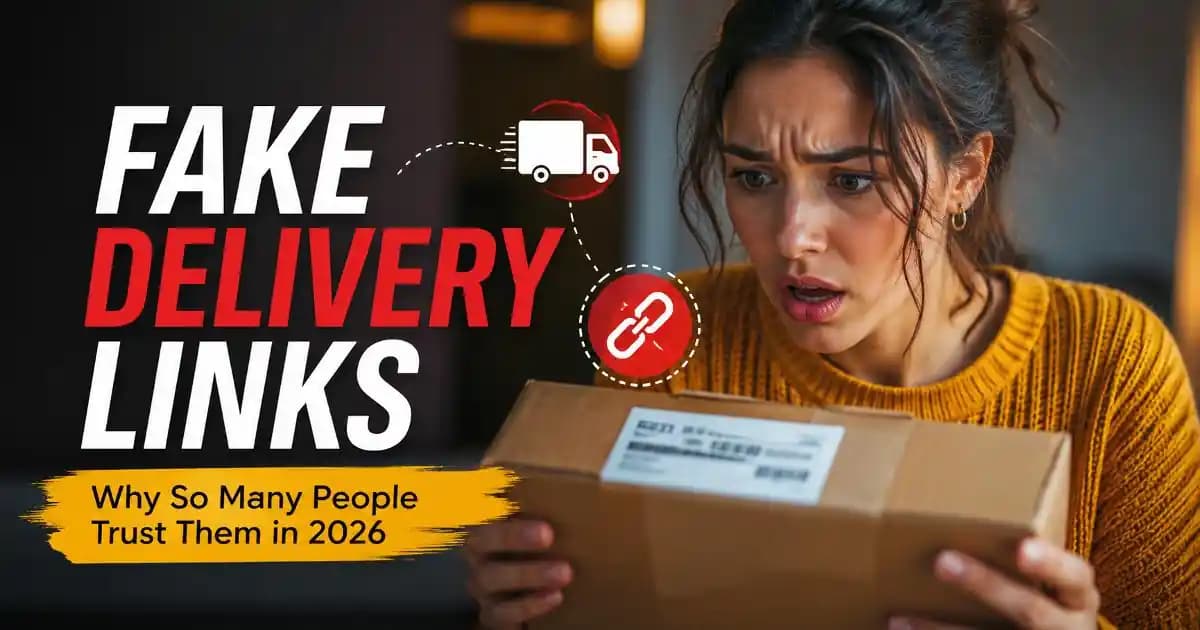



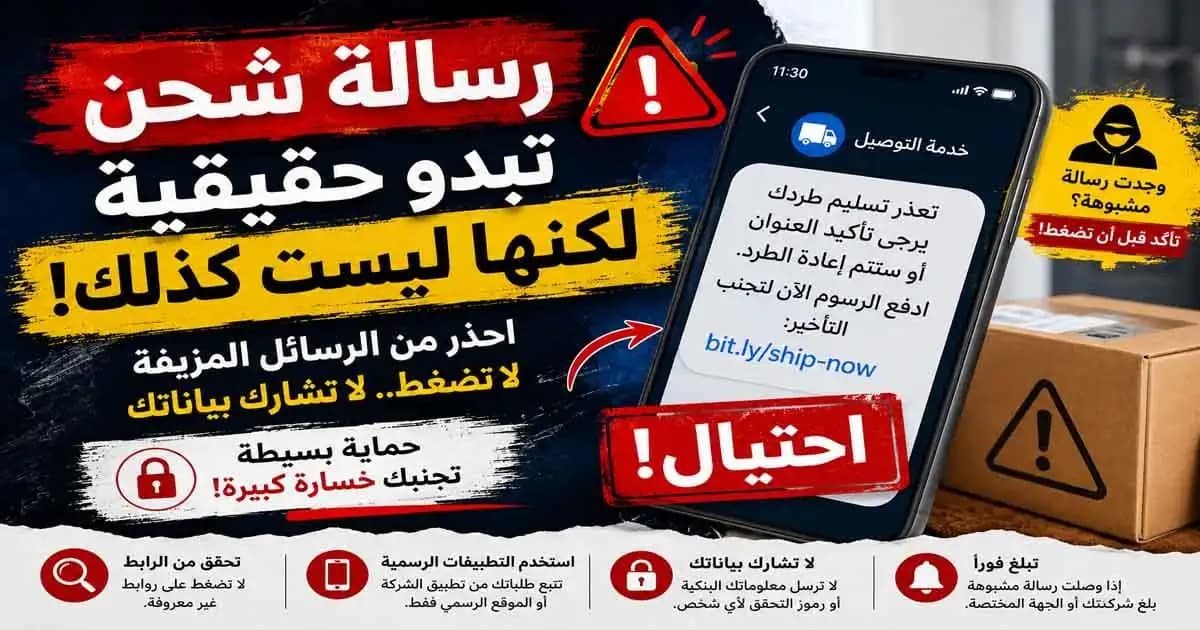
A fake delivery message SMS can look almost identical to a real notification from a courier company. It arrives at the right time, often when you are already expecting a package, and creates just enough urgency to make people tap before thinking twice.
Across the Middle East and North Africa, delivery scams have become more common as online shopping continues to grow. Fraudsters now imitate well-known courier brands through SMS, WhatsApp, email, and even fake tracking pages. Some messages claim your package is delayed. Others say a customs fee must be paid immediately. In many cases, the goal is simple: steal payment details, passwords, or access to your phone.
What makes these scams dangerous is not just the technology behind them. It is how normal they feel.
Why Fake Delivery Messages Work So Well
Most people receive genuine shipping notifications regularly. A delivery Update no longer feels unusual. Scammers understand this and build their messages around everyday habits.
A fake SMS may say:
- “Your parcel could not be delivered.”
- “Confirm your address to avoid return.”
- “Small customs fee pending.”
- “Click here to reschedule delivery.”
The wording is intentionally ordinary. The message may even include the name of a real courier company or a tracking number that looks convincing.
Sometimes the scam becomes even more believable because attackers send messages during shopping seasons, holiday sales, or after major online promotions. People are already waiting for packages, so they are less cautious.
CyberSecurity researchers and regional reports from organizations including Kaspersky, Proofpoint, and Gulf Business have highlighted a rise in SMS phishing and fake courier campaigns targeting users in MEA regions, especially through mobile devices and messaging apps.
The Small Details Most People Miss
A fake delivery message rarely looks completely fake. Instead, it usually contains one or two subtle warning signs hidden inside an otherwise believable message.
The sender number may look unusual. The website link might contain extra letters or strange spelling. A payment request may feel rushed or oddly timed.
But people often ignore these signs because the scam creates pressure.
A message saying your package will be “returned today” pushes users to react emotionally instead of carefully checking details.
One common trick is using shortened links that hide the real destination. Another is copying the design of legitimate courier websites almost perfectly. Some fake pages even include working tracking animations to appear trustworthy.
The scam becomes especially risky when users enter:
- Debit or credit card information
- Online banking credentials
- OTP verification codes
- Email passwords
- National ID information
In some cases, scammers also try to install malware through fake courier apps or malicious downloads.
WhatsApp Delivery Scams Are Growing Too
SMS is no longer the only problem. Many users now Receive delivery-related scams through WhatsApp.
These messages may come from unknown international numbers pretending to represent logistics companies. Others use fake business Accounts with copied logos and profile images.
A common version says a package is stuck due to an address issue and asks the user to verify information through a link.
Because WhatsApp (1) feels more personal than SMS, some users trust these messages more easily.
Scammers also know that people are used to communicating with delivery drivers through messaging apps, especially in countries where cash-on-delivery and local courier coordination are common.
What Happens After You Click
Not every fake delivery link behaves the same way.
Some immediately ask for a small payment fee. Others redirect users to phishing websites designed to steal Account (1) credentials.
More advanced scams may:
- Capture card details in real time
- Trigger fake banking login pages
- Collect phone numbers for future attacks
- Attempt device fingerprinting
- Install malicious files
In certain cases, victims lose access to email Account agains first. From there, attackers may reset passwords for shopping platforms, banking apps, or social media accounts connected to the same email.
The financial loss is sometimes small at first, which is intentional. A fake “delivery fee” of only a few dollars feels harmless enough for many people to pay quickly.
But the real objective is often the information behind the payment.
How to Tell if a Delivery Message Is Fake
People often expect scams to look obviously suspicious. Modern phishing campaigns rarely do.
Instead of searching for one clear sign, it helps to slow down and evaluate the full situation.
A legitimate courier usually does not ask for urgent payment through random shortened links. Real shipping companies also tend to direct users toward their official apps or websites rather than unfamiliar domains.
If a message claims there is a delivery problem, checking directly through the retailer or courier app is usually safer than tapping the link inside the message.
It is also important to notice emotional pressure. Messages designed to create panic, urgency, or fear are often scams.
Questions worth asking yourself include:
- Am I actually expecting a package?
- Does the timing make sense?
- Is this the official website?
- Why is there sudden urgency?
- Is the payment request unusually small or random?
That short pause can prevent a much larger problem.
If You Already Clicked the Link
Many people feel embarrassed after interacting with a scam message, but fake delivery scams are designed to deceive ordinary users. Acting quickly matters more than blaming yourself.
If you clicked but did not enter any information, close the page immediately and avoid downloading anything.
If payment details or passwords were entered, it is safer to:
- Contact your bank immediately
- Freeze or monitor affected cards
- Change passwords connected to the account
- Enable two-factor authentication
- Check devices for suspicious apps or downloads
If the same password was reused elsewhere, those accounts should also be updated.
For phishing attempts involving banking or national identity information, contacting official support channels quickly can reduce damage significantly.
Why Mobile Devices Make These Scams More Effective
Most fake delivery message scams target smartPhones because mobile screens naturally hide important details.
People rarely inspect full URLs on Phones. Browser bars are smaller, distractions are higher, and users often multitask while reading messages.
On mobile devices, even experienced users may overlook spelling mistakes or suspicious domains.
Attackers also take advantage of trust. A message arriving directly on a personal phone feels more legitimate than a suspicious desktop email.
This is one reason cybersecurity experts consistently recommend avoiding direct taps from unexpected SMS messages whenever possible.
Building Better Digital Habits
Protecting yourself from delivery scams is less about technical expertise and more about habits.
People who pause before reacting are much harder to trick.
Useful habits include:
- Opening courier apps manually instead of tapping links
- Using official retailer tracking pages
- Keeping banking notifications enabled
- Avoiding payment requests sent through SMS
- Updating phone software regularly
Families should also discuss these scams openly, especially with older relatives or younger users who may not recognize phishing tactics easily.
Scammers continuously adapt their methods. Awareness matters because fake delivery campaigns evolve quickly with shopping behavior and communication trends.
The Bigger Picture Behind Fake Delivery Scams
Delivery phishing campaigns are not random messages sent by amateurs anymore. Many are part of organized cybercrime operations that target thousands of users simultaneously.
The reason these scams continue growing is simple: they work.
Online shopping is now deeply connected to daily life across the Gulf region, North Africa, and beyond. As more services move to mobile-first experiences, scammers increasingly imitate trusted digital interactions.
The fake delivery message is successful because it blends into ordinary life. It does not feel like a cyberattack. It feels like a missed package.
And that is exactly what makes it dangerous.
Frequently Asked Questions
Can a fake delivery SMS hack my phone automatically?
Usually, a scam requires some action from the user, such as entering credentials, downloading a file, or granting permissions. However, malicious links can still expose users to malware or phishing pages, so avoiding interaction is safest.
Why do scammers ask for very small delivery fees?
Small amounts create less suspicion. Many users are more willing to pay a tiny “redelivery” or “customs” fee quickly without verifying the request carefully.
Are WhatsApp delivery messages safer than SMS?
Not necessarily. Scammers increasingly use WhatsApp because users trust messaging apps more. Always verify unknown senders and avoid opening suspicious links.
What should I do if I entered my bank card details?
Contact your bank immediately, monitor transactions closely, and request a card freeze or replacement if necessary. Changing related passwords is also important.
Can fake courier websites look identical to real ones?
Yes. Some phishing websites closely imitate official courier pages, including logos, colors, and fake tracking systems. Checking the actual domain name remains one of the most important safety habits.