



Telegram Update alert is getting attention because many users first notice these changes in a very ordinary moment: you open the app, tap through a new prompt, and move on without thinking much about what was updated. That is exactly how privacy settings, contact visibility, location sharing, or account discovery features can affect people before they realize anything has changed.
Telegram has introduced changes affecting privacy, and while not every update is dangerous by default, small adjustments inside messaging apps can have real consequences. If you use Telegram for personal chats, group discussions, work coordination, or public channels, this is a good time to review what the app now allows and what information may be more visible than before.
What is happening with the latest Telegram changes
Telegram regularly updates its app with new features, interface tweaks, and account tools. In recent privacy-related changes, users have reported concerns around discoverability, phone number exposure, contact syncing, group visibility, and how profile data may be seen or inferred by others.
Sometimes the issue is not a single dramatic feature. It is the combination of default settings, broader access options, or new prompts that people accept quickly. A harmless-looking update can expand who can find you, message you, add you to groups, or view details connected to your identity.
What changed
The most important thing to understand is that Telegram updates can affect:
- Who can see your phone number
- Who can find you through synced contacts
- Who can add you to groups or channels
- What profile details are visible to strangers
- How location-based or nearby features may expose activity
- How linked devices and sessions remain active
Not every user will see the exact same impact, but privacy changes often matter most when they alter defaults or make sharing easier than before.
Why it matters in daily use
Messaging apps are not just chat tools anymore. People use Telegram for school groups, freelance work, family conversations, community channels, buying and selling, and political or local discussions. That means a privacy change can affect much more than casual messaging.
If your profile becomes easier to discover, your phone number is more visible, or group access becomes less controlled, you may face spam, unwanted contact, social engineering attempts, or personal exposure. For some users, especially journalists, activists, public-facing workers, and younger users, even a small privacy shift matters.
Why this deserves attention
Privacy changes often go unnoticed because they arrive as part of a normal app update. Most people do not stop to audit settings after every release. Attackers and scammers know this. They often take advantage of confusion right after platform changes, when users are unsure what is normal and what is suspicious.
Who is affected most
Any Telegram user can be affected, but some groups should pay closer attention:
- Users in large public or semi-public groups
- People who use their real phone number for account recovery and daily communication
- Professionals who communicate with clients through Telegram
- Teenagers and students added to multiple group chats
- Users in sensitive regions or situations where identity exposure carries extra risk
- People who rarely check privacy settings after updates
If you have ever joined channels, enabled contact sync, used Telegram on multiple devices, or interacted with unknown accounts, your exposure may be wider than you think.
Privacy risks to watch for
The main concern is not panic. It is awareness. A privacy-related Telegram change can increase risks in several practical ways.
1. Unwanted contact and spam
If your account becomes easier to discover, strangers may message you more often. This can range from annoying spam to targeted scams.
2. Social engineering
Scammers often build trust by using small bits of visible information. A name, profile photo, group membership, or phone number can help them create convincing messages.
3. Group-based exposure
Being added to groups without strong controls can expose your identity, activity patterns, and interactions with others.
4. Device session risks
If old sessions stay logged in on other devices, someone with access to a previous phone, tablet, or desktop app may still be able to view account activity.
5. Location or proximity visibility
Features related to people nearby or shared location can reveal more than users intend, especially if they do not review permissions often.
Recent trends from 2024 to 2026
From 2024 through 2026, messaging platform updates are increasingly focused on growth, monetization, AI-assisted features, and cross-device convenience. That often means more prompts, more account linking, and more ways for users to be found or engaged.
At the same time, privacy awareness is rising. Users are paying closer attention to default permissions, data visibility, contact syncing, and whether a platform makes private communication truly private in practice. Telegram is part of that wider trend. Even when a feature is optional, many people enable it without understanding the tradeoff.
Another notable trend is the rise in impersonation, fake support accounts, crypto-related scams, and community-targeted fraud inside messaging apps. Any privacy change that increases visibility or lowers friction can make these threats easier to scale.
What to do right now
You do not need to stop using Telegram. You do need to check a few settings carefully.
Review your privacy controls
- Open Telegram Settings and go to Privacy and Security
- Check who can see your phone number
- Limit who can find you by number if that option is available
- Review who can add you to groups and calls
- Check your profile photo visibility
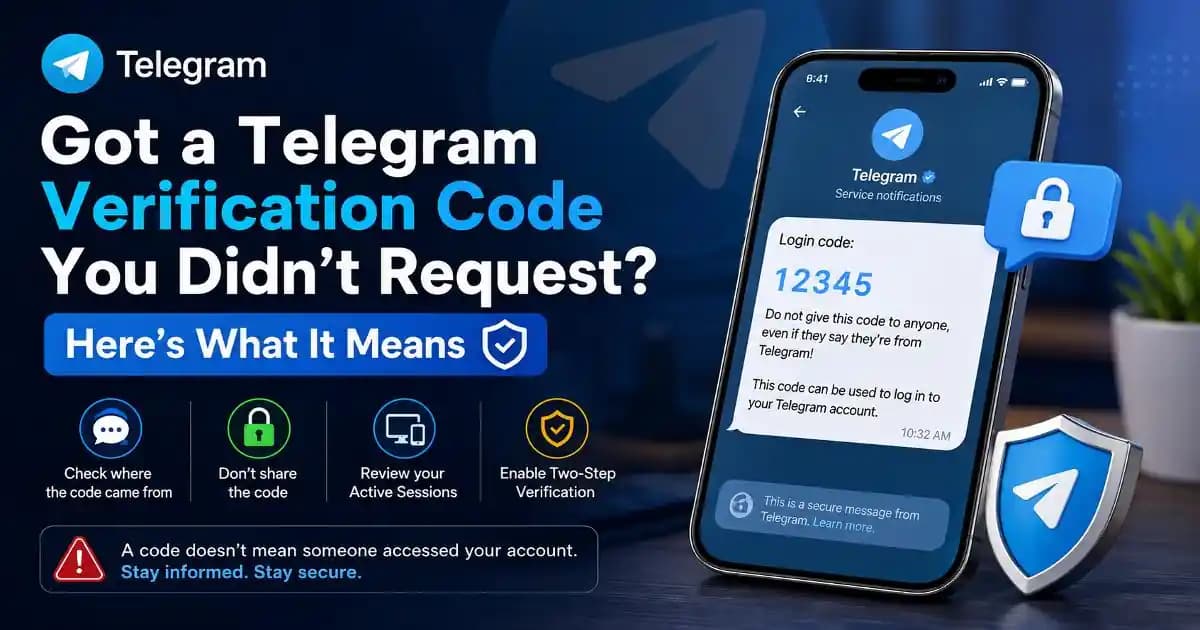
- Look at active sessions and remove devices you do not use anymore
Turn on extra account protection
- Enable two-step verification
- Use a strong, unique password
- Keep your app updated from official sources only
- Be careful with links, files, and messages from unknown accounts
Practical awareness tips for everyday users
Privacy awareness works best when it becomes routine. A few habits can reduce risk without making the app harder to use.
Simple tips
- Check Telegram settings after major updates
- Do not assume default settings are the safest
- Use a username instead of sharing your phone number where possible
- Leave groups you no longer need
- Remove old devices from active sessions
- Avoid sharing sensitive personal details in large chats
- Warn family members or coworkers if you notice suspicious account behavior
If you use Telegram for work, consider separating public-facing communication from personal contacts. That alone can reduce privacy exposure significantly.
FAQs
Does this Telegram update mean my chats are no longer private?
Not necessarily. The concern is usually around account visibility, discoverability, permissions, and profile exposure rather than every chat suddenly becoming public.
How do I know if the update changed my privacy settings?
The safest approach is to manually review Privacy and Security settings after updating the app. Do not rely on memory or assumptions.
Who should be most careful after a Telegram privacy update?
Users in public groups, people using real identities, professionals handling client communication, and anyone in a sensitive personal or political context should be especially careful.
Should I disable contact syncing?
If you want tighter control over discoverability, reducing or disabling contact syncing can help. The best choice depends on how you use Telegram.
Is deleting old sessions really important?
Yes. Old sessions on desktop or secondary devices can create quiet access risks if you forget they are still connected.