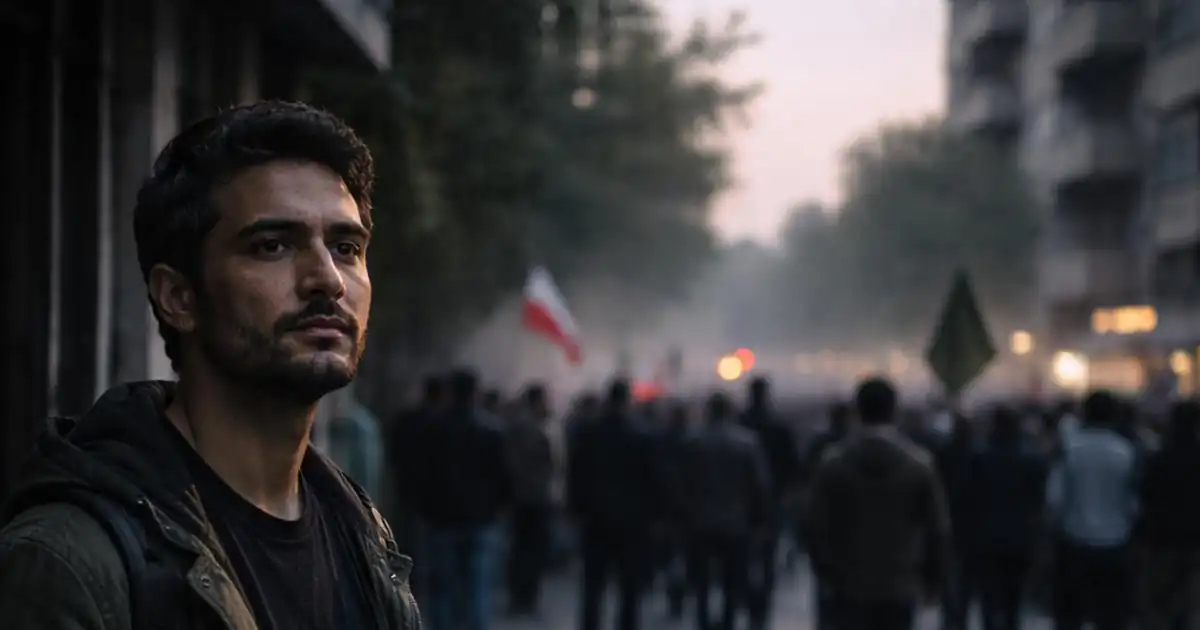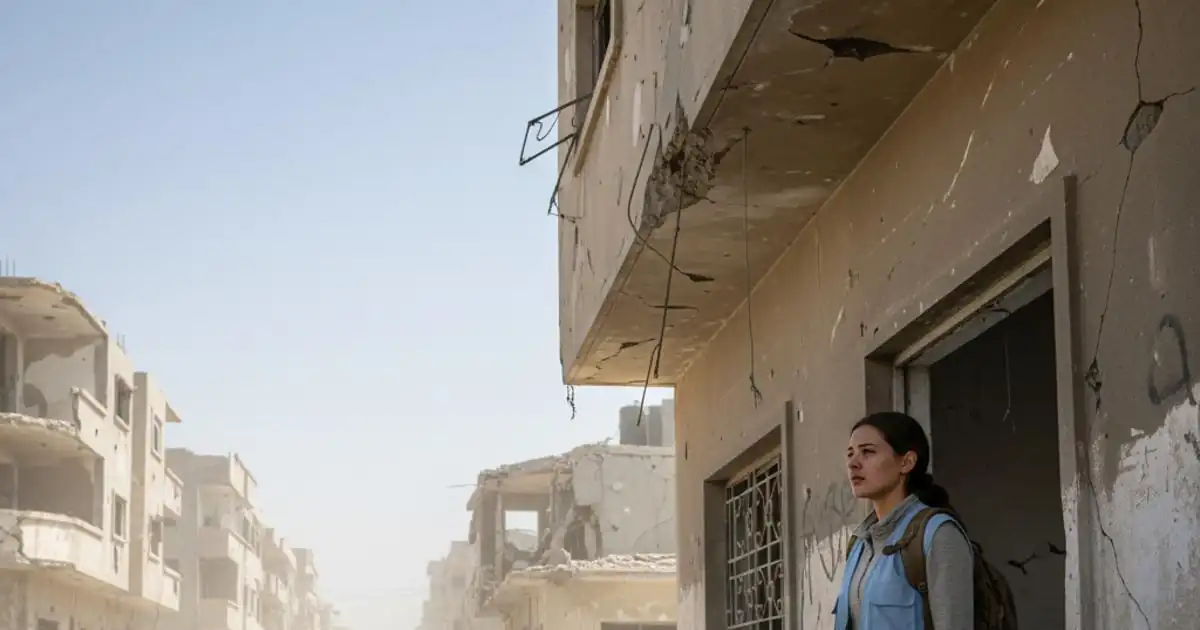

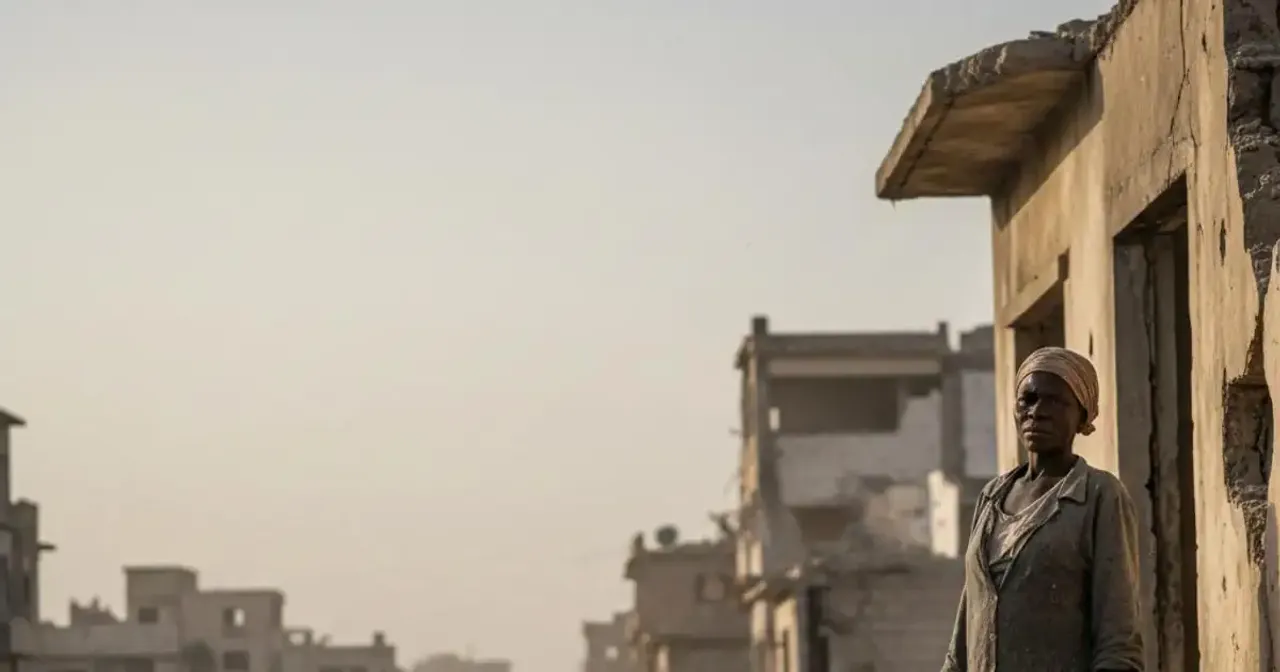
A city reappears after silence
For months, El-Fasher existed largely as a blank space on humanitarian maps. Cut off by conflict, inaccessible to aid agencies, and emptied by fear, the city’s fate was pieced together through survivor accounts and satellite imagery. The recent visit by the United Nations marks the first verified, on-the-ground assessment since El-Fasher fell to the Rapid Support Forces, offering rare insight into what remains of a once-critical urban center in Sudan.
What emerged was not a city recovering from battle, but one barely functioning. Hundreds of civilians remain, scattered across abandoned buildings and makeshift shelters, surviving without reliable food supplies, healthcare, or clean water. The visit did more than confirm humanitarian fears; it exposed how prolonged isolation Reshapes civilian life long after the fighting subsides.
Why El-Fasher matters beyond Darfur
El-Fasher is not just another contested town. As the former administrative capital of North Darfur, it was the last major military stronghold resisting RSF expansion in the region. Its fall symbolized a decisive shift in territorial control and altered humanitarian dynamics across Darfur.
Historically, El-Fasher functioned as a logistics hub linking rural communities to markets, hospitals, and aid corridors. When access Collapsed, surrounding villages emptied almost overnight. Displacement on this scale does not pause at city limits; it destabilizes entire regions, overwhelming camps and host communities already stretched thin.
Life inside a hollowed city
The UN team’s findings paint a picture of survival under extreme constraint. Residents are improvising shelter from plastic sheets and salvaged materials. Sanitation infrastructure is largely absent. Food availability depends on sporadic charity kitchens and a fragile, informal market selling limited local produce at extreme prices.
Health services are effectively nonfunctional. Hospitals that once served thousands are now shells, lacking staff, electricity, and medicine. The visit to the Saudi Hospital once the city’s medical backbone highlighted a broader collapse of public services that extends well beyond emergency care.
Key conditions observed include:
- Severe food scarcity, with staple prices reaching levels unattainable for most civilians
- Non-operational healthcare facilities, leaving injuries and chronic illnesses untreated
- Lack of clean water and sanitation, increasing disease risks
- Absence of education and social services, particularly affecting children
These are not temporary shortages. They reflect structural breakdown after prolonged siege and isolation.
The humanitarian access dilemma
Reaching El-Fasher was itself a calculated risk. Humanitarian corridors remain uncertain, and security guarantees are fragile. The UN mission focused less on immediate aid delivery and more on mapping safe routes and assessing whether sustained access is even possible.
This cautious approach underscores a central challenge in Sudan’s conflict: access is negotiated, reversible, and often politicized. Without predictable corridors, aid agencies struggle to move supplies, evacuate the injured, or rotate staff. Every delay compounds civilian suffering and erodes trust in international protection mechanisms.
Patterns that repeat across Sudan
What is unfolding in El-Fasher mirrors developments in other conflict-affected cities. Extended sieges, followed by sudden takeovers, leave behind environments where evidence of violence is obscured but trauma persists. Survivors carry Stories that cannot be erased by physical cleanup or time.
International observers increasingly describe Sudan’s war as a cycle of localized catastrophes rather than a single, linear crisis. Each captured city becomes an isolated emergency, demanding fresh assessments, negotiations, and resources.
Regional and global implications
The crisis in El-Fasher carries consequences beyond Sudan’s borders. Mass displacement strains neighboring regions, fuels cross-border insecurity, and complicates diplomatic efforts aimed at ceasefires or political settlements. Allegations of war crimes and genocide further harden international positions, affecting sanctions, aid funding, and mediation prospects.
For humanitarian agencies, Sudan represents a stress test of global response capacity. With multiple emergencies worldwide, sustained attention to Darfur risks fading unless access improves and data continues to emerge.
What happens next for El-Fasher
The UN visit is not an endpoint. It is a first step toward re-engagement with a city that has endured months of isolation. Future developments will likely hinge on three factors:
- Security guarantees allowing regular humanitarian access
- Restoration of basic services, particularly healthcare and water systems
- Protection of remaining civilians, including detainees and the injured
Failure on any of these fronts risks turning El-Fasher into a permanent humanitarian blind spot rather than a recoverable city.
Why this crisis demands sustained attention
El-Fasher illustrates how modern conflicts do not end when fighting stops. Cities can survive on maps while disappearing in practice. For search-driven readers seeking to understand Sudan’s humanitarian crisis, El-Fasher offers a stark lesson: access delays cost lives, and silence enables suffering.
The city’s future remains uncertain, but its current condition is clear. Without sustained international engagement, what remains of El-Fasher may fade long before peace returns to Sudan.
Frequently Asked Questions
Why is the humanitarian crisis in El-Fasher considered severe?
Because civilians lack food, healthcare, clean water, and protection after months of isolation.
Who controls El-Fasher now?
The city is under the control of the Rapid Support Forces following a prolonged siege.
Why did the UN visit matter?
It provided the first verified assessment of conditions after the city became inaccessible.
Are aid organizations operating inside El-Fasher?
Only in a limited capacity, due to security risks and uncertain access routes.
What risks remain for civilians in the city?
Disease, starvation, untreated injuries, and potential detention or violence.