
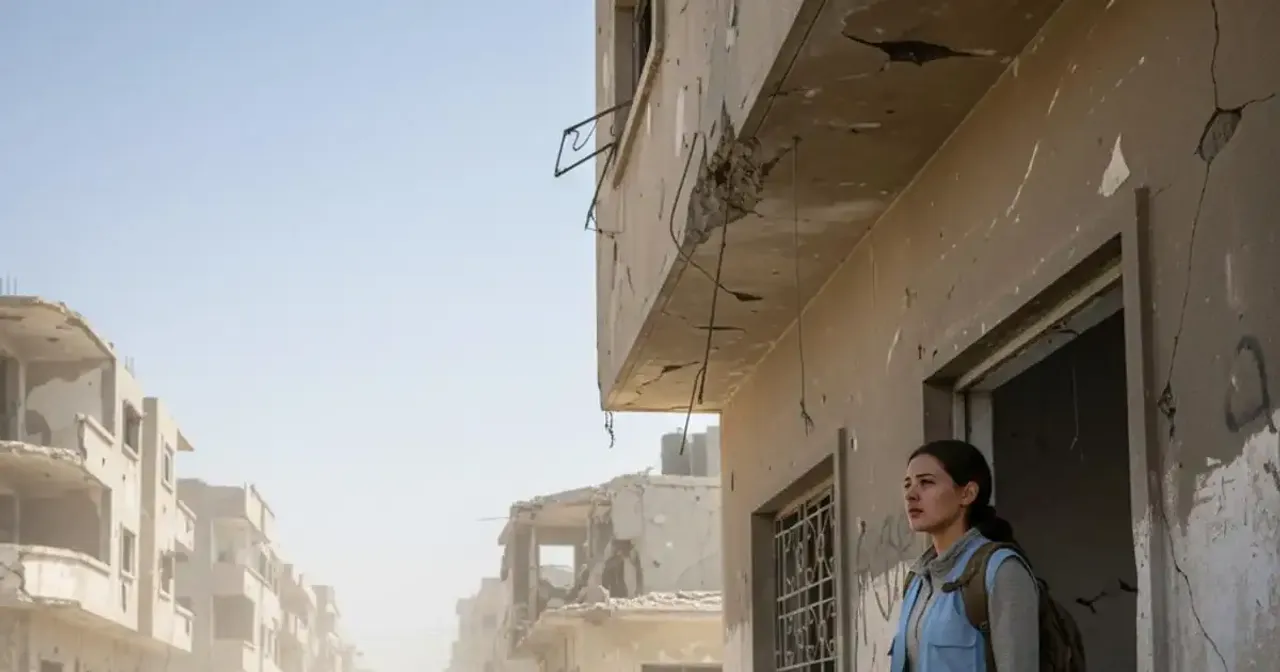
For people searching to understand Israel aid ban Gaza, the issue goes far beyond headlines or temporary policy shifts. The decision to restrict Humanitarian organizations from operating in Gaza reshapes how assistance reaches civilians, how medical systems survive conflict, and how international aid norms are interpreted in prolonged wars. At its core, the Israel aid ban Gaza debate raises urgent questions about humanitarian access, civilian protection, and the balance between security control and life-saving relief.
Over two million people in Gaza depend heavily on external aid for food, shelter, clean water, and healthcare. When access narrows, the effects ripple quickly through households, clinics, and entire communities. Understanding why these restrictions matter requires context, not breaking news urgency.
Why humanitarian access matters in Gaza
Gaza’s economy has been structurally weakened for years by border controls, limited trade, and repeated conflict. Local production alone cannot meet basic needs. Humanitarian organizations fill gaps that Ordinary markets and public services cannot.
Key areas where aid access is critical include:
- Emergency medical care and trauma surgery
- Maternal and child health services
- Shelter materials for displaced families
- Clean water and sanitation systems
- Nutrition support for children and vulnerable adults
When international NGOs are restricted, these functions do not disappear gracefully. They Collapse unevenly, often leaving the sickest and poorest exposed first.
Israel aid ban Gaza and the logic of security control
Supporters of tighter controls argue that restricting Humanitarian organizations reduces the risk of militant infiltration or diversion of supplies. From a state security perspective, oversight of aid channels is presented as a defensive necessity in an active conflict environment.
However, humanitarian operations already function under layered monitoring. Aid groups typically track supply chains, vet staff, and submit to inspections by donors and international bodies. The Israel aid ban Gaza approach signals a shift from oversight toward exclusion, changing the relationship between authorities and independent relief providers.
This shift matters because humanitarian systems rely on neutrality. When access becomes conditional on political alignment or silence, operational trust erodes.
Health systems under pressure
Healthcare illustrates the stakes most clearly. Gaza’s hospitals and clinics have suffered infrastructure damage, shortages of equipment, and staff exhaustion. Independent medical NGOs often provide:
- Specialist surgeons and anesthetists
- Medical supply procurement
- Field hospitals and mobile clinics
- Training and mental-health support for local staff
Without these contributions, local health workers face impossible workloads with fewer tools. Restrictions tied to the Israel aid ban Gaza framework risk accelerating system failure rather than stabilizing conditions.
Impact on local humanitarian workers
While international staff often draw attention, the majority of aid work is performed by Palestinians living inside Gaza. These workers depend on international organizations for salaries, protection standards, and technical support.
When licenses are revoked or access narrowed:
- Local staff lose institutional backing
- Safety risks increase without international presence
- Program continuity becomes fragile
The Israel aid ban Gaza consequences therefore extend well beyond foreign NGOs, affecting livelihoods and professional capacity within Gaza itself.
Food security and shelter constraints
Even when famine is narrowly avoided, reduced aid access alters daily survival. Families may still receive food, but in smaller quantities, lower quality, or irregular intervals. Shelter shortages become acute during winter storms or extreme heat.
The restriction of logistics channels forces organizations to rely on limited local markets, raising costs and reducing reach. Over time, this creates a humanitarian bottleneck that no single agency can resolve alone.
International humanitarian norms at stake
The broader concern surrounding Israel aid ban Gaza lies in precedent. Humanitarian law emphasizes unimpeded access to civilians during conflict. When access becomes discretionary, other conflict zones may adopt similar policies.
Potential long-term implications include:
- Increased politicization of humanitarian work
- Reduced willingness of NGOs to operate in high-risk areas
- Greater civilian harm due to delayed assistance
These outcomes weaken the global humanitarian system, not just operations in Gaza.
What happens next
Several paths are possible. Appeals, diplomatic pressure, or revised registration frameworks could restore limited access. Alternatively, prolonged restrictions may normalize a reduced humanitarian footprint in Gaza.
For civilians, the difference is tangible. Access determines whether hospitals function, children receive nutrition, and families endure displacement with dignity.
Key risks and opportunities ahead
- Risk: Further erosion of neutral humanitarian space
- Risk: Long-term damage to Gaza’s health and social systems
- Opportunity: Renewed international focus on aid access standards
- Opportunity: Development of clearer, mutually trusted oversight mechanisms
The Israel aid ban Gaza issue will continue shaping humanitarian debate well beyond the current conflict cycle.
FAQs
What does Israel aid ban Gaza mean in practice?
It refers to restrictions that prevent certain humanitarian organizations from operating or delivering supplies in Gaza.
Why is humanitarian access so critical in Gaza?
Gaza relies heavily on aid for healthcare, food, and shelter due to long-term economic and infrastructure limitations.
Does restricting NGOs improve security?
While intended to reduce risks, broad restrictions can undermine essential civilian services without clear security gains.
Who is most affected by the aid ban?
Civilians, especially children, patients, and displaced families, experience the fastest and deepest impacts.