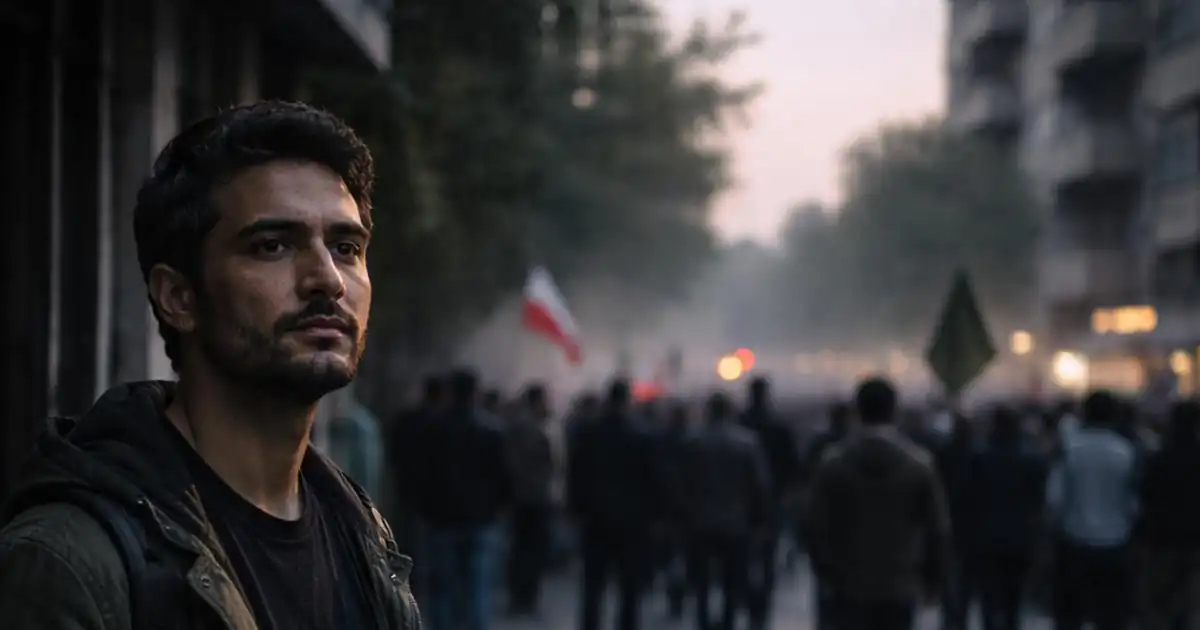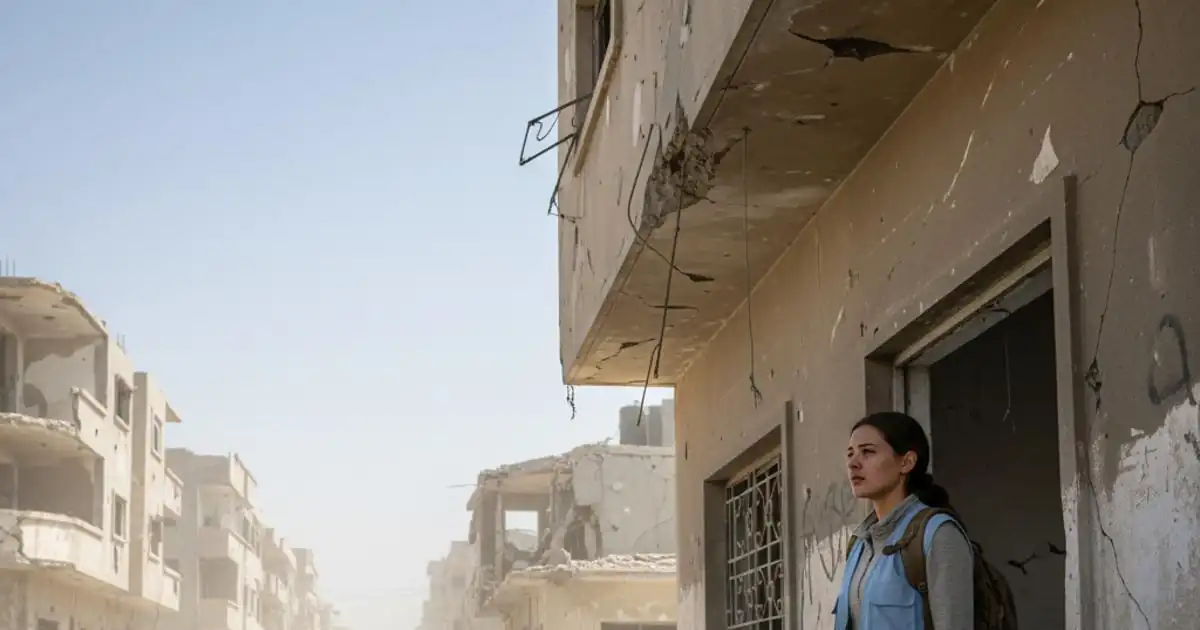

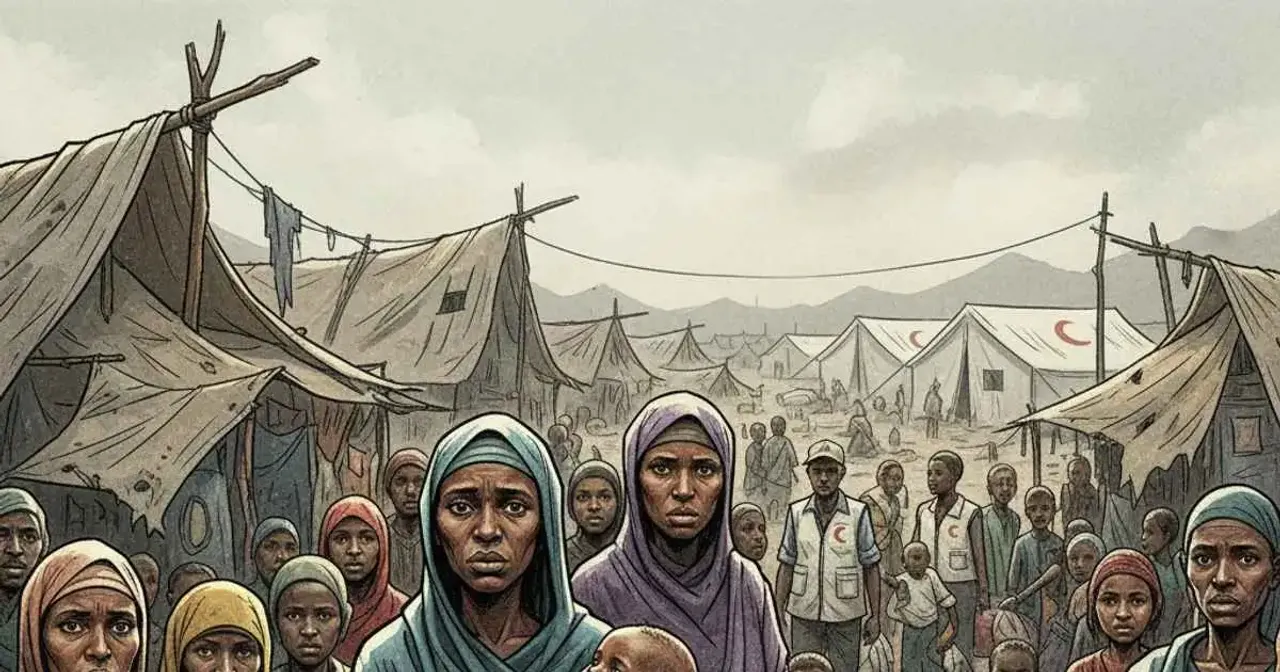
Fatimah’s trembling hands balance a bowl of porridge at dawn, her two youngest clinging to her skirts as dust swirls over the once bustling village market now reduced to rubble. Outside her makeshift shelter in North Darfur, children wander barefoot, their eyes hollow from hunger and trauma. This is not a distant tragedy it is Sudan’s lived reality, where millions face daily survival against the backdrop of relentless conflict, disease outbreaks, and the collapse of basic services. These Stories of loss, perseverance, and quiet resilience reveal the human face behind one of the world’s most devastating Humanitarian crises and show how ordinary people struggle to retain hope and dignity.
Setting the Scene
Two years of brutal civil war between the Sudanese Armed Forces (SAF) and the Rapid Support Forces (RSF) have fractured the nation’s social fabric, forcing more than 12.6 million people from their homes the world’s largest displacement Crisis. Approximately 7.7 million are internally displaced, while over 4 million have fled to neighbouring countries in search of safety. Children make up more than half of this displaced population, with families trapped in camps and conflict zones, surrounded by violence and uncertainty.
The fighting has destroyed healthcare facilities, schools, water systems, and markets, leaving essential services in ruins. Public health emergencies, including cholera, dengue fever, and measles outbreaks, have spread rapidly across states once known for fertile farmland and vibrant communities.
In this context, famine has engulfed towns like El Fasher and Kadugli, where residents face chronic Hunger and dwindling food supplies. Nearly 21.2 million people almost half the country now face acute food insecurity.
The Human Narrative
A Mother’s Burden
“I used to sell okra and bread in the market,” Fatimah whispers, her voice breaking. “Now, I watch my children cry for water we do not have.” Families from her rural village fled their homes when fighting erupted nearby, carrying what little they could. They now sleep under tarps with sporadic aid drops and sparse rations. Cholera has claimed neighbours when clean water ran out, and every cough or fever is a mounting fear. “We pray to see another day,” she says, eyes fixed on the horizon.
Children Without Childhood
Eight year old Omar no longer speaks of school. Before the war, he memorised poems and chased friends through open fields near his house in Khartoum’s suburbs. Today, he is one of thousands living in camps where makeshift classrooms serve as shelters, and few teachers remain. Omar’s small frame shows the clear signs of malnutrition that many children in the camps Endure, as food shortages deepen and families ration their supplies.
Across camps and shattered neighborhoods, children are surviving war not through protection or stability, but through fragile routines built around aid lines, shared food, and the determination of families to keep them alive.
Lives Unseen and Unheard
Across Sudan, similar stories reverberate: fathers who once tilled land now queue for water; mothers who fed large families now watch children drink contaminated water out of desperation; youths who dreamed of college now shoulder siblings through rubble strewn roads looking for food. Some have lost entire families in sudden attacks on displaced camp communities, where violence has penetrated supposed safe zones. Each narrative is a testament to survival amid unrelenting adversity.
Broader Social Trends
Sudan’s war has pushed nearly half the population into acute food insecurity and driven widespread outbreaks of disease due to shattered healthcare infrastructure and poor sanitation. Cholera infections have soared into the hundreds of thousands, with thousands of deaths reported across states such as Darfur and Kordofan.
Education has collapsed. Over 10,000 schools have closed, and many that remain are filled with displaced children lacking materials or teachers. This disruption threatens a generation’s future prospects.
Women and girls often bear the brunt of these compounded crises. Displacement, food scarcity, and lack of protective services put them at heightened risk of gender based violence, exploitation, and early marriage as families cope with insecurity and economic hardship. For many families, daily life is a precarious negotiation with hunger, disease, and trauma.
Voices from the Community
Community leaders echo common sentiments of exhaustion, fear, and resilience. One displacement camp coordinator describes the constant challenge of providing basic relief: “We try to serve families with what minimal aid arrives, but the needs are overwhelming.” Other community voices note how parents now focus on immediate survival rather than long term aspirations like education or rebuilding homes.
A youth worker in a makeshift Khartoum shelter reflects on the mental health strain: “Children are children in body only. Inside, they carry memories of fire, loss, and hunger.” Another displaced woman recounts how neighbourly solidarity shared food, water, and protection has become a lifeline in places abandoned by formal systems.
Structural Drivers & Barriers
Sudan’s crisis is not only a product of war but of long standing structural vulnerabilities. Decades of underinvestment in healthcare, education, and infrastructure left communities fragile even before violence erupted. The war exacerbated these weaknesses, dismantling systems at the moment they were most needed.
Political instability has further eroded access to services and aid. As fighting intensified, supply routes were severed, and essential health facilities were targeted or rendered inoperative, accelerating disease spread and mortality. Cholera outbreaks have thrived amid broken sanitation networks and overcrowded displacement camps.
Sudan’s Children of War: Voices of Survival Amid Collapse
Economic collapse has left labour markets in tatters, with unemployment soaring and inflation eroding purchasing power. Families once reliant on farming or trade now compete for scarce resources. These interlocking structural failings economic, political, and social have locked millions in cycles of dependence and vulnerability.
Rays of Hope or Transformation
Amid the devastation, pockets of resilience have emerged. In displacement camps, local volunteers have organised childcare groups, improvised learning circles, and community kitchens to share scarce food. In some regions, rehabilitation of wells and clean water points have reduced disease transmission and offered brief relief.
One older teacher in a camp near El Fasher now teaches children to read under a mango tree, using scraps of paper and recycled textbooks. “It keeps their minds alive,” she says. “It gives them hope they will be something more than survival.”
Grassroots health educators travel between shelters, teaching families about sanitation and hygiene, reducing cholera transmission. Local women’s groups have organised trauma support circles, offering emotional sustenance when formal mental health systems are absent. These efforts, though small in scale, reflect collective resilience and the enduring human spirit in the face of crushing adversity.
Analytical & Contextual Layers
Sudan’s human crisis mirrors global patterns seen in other major conflict zones: protracted violence collapses state institutions; displacement becomes protracted rather than temporary; and the most vulnerable children, women, the elderly face the most severe consequences. This crisis is compounded by environmental stressors like drought, intensifying food insecurity and out migration pressures.
Comparisons with other Arabic speaking conflict zones reveal consistent themes: fractured governance, weakened public services, and a generation of youth deprived of education and opportunity. Unlike conflicts where international attention galvanises swift intervention, Sudan’s plight has often been peripheral in global media cycles leaving communities to shoulder their suffering with minimal external advocacy.
Humanitarian and civil society responses, though significant, remain underfunded and logistically constrained, struggling to reach those most in need amid ongoing hostilities and bureaucratic obstacles. The enduring lack of peace negotiations or lasting ceasefires deepens uncertainty and limits long term recovery planning.
Conclusion
Sudan’s human stories are not statistics; they are lived experiences of parents struggling to feed their children, of teachers defying war to educate young minds, and of displaced families weaving threads of dignity amid chaos. These narratives expose the deeply rooted social challenges that define everyday life in a country fractured by war, disease, and displacement. As millions navigate trauma and survival, their voices underscore a profound reality: that resilience can coexist with suffering, and that recognising these human stories should spur urgent action not apathy. The world’s gaze may move on, but the people of Sudan continue to wait for peace, support, and a chance to rebuild lives once shattered by conflict.
FAQs
Q1: What is driving Sudan’s humanitarian crisis?
Sudan’s crisis is driven by a prolonged civil war that has displaced millions, destroyed infrastructure, and worsened pre existing social vulnerabilities, leading to widespread hunger, disease, and disrupted public services.
Q2: How many people are affected in Sudan?
More than 12.6 million people have been displaced internally or across borders, with nearly half the population facing acute food insecurity and declining access to basic services.
Q3: What are the main challenges for children in the conflict?
Children are at heightened risk of malnutrition, lack of education, disease exposure, and psychological trauma due to displacement and loss of family and community support systems.
Q4: Are there signs of hope amid the crisis?
Yes grassroots efforts in camps, improvised education initiatives, community health outreach, and local solidarity offer resilience and hope, even as urgent humanitarian support remains critical.