
When Survival Itself Becomes Resistance
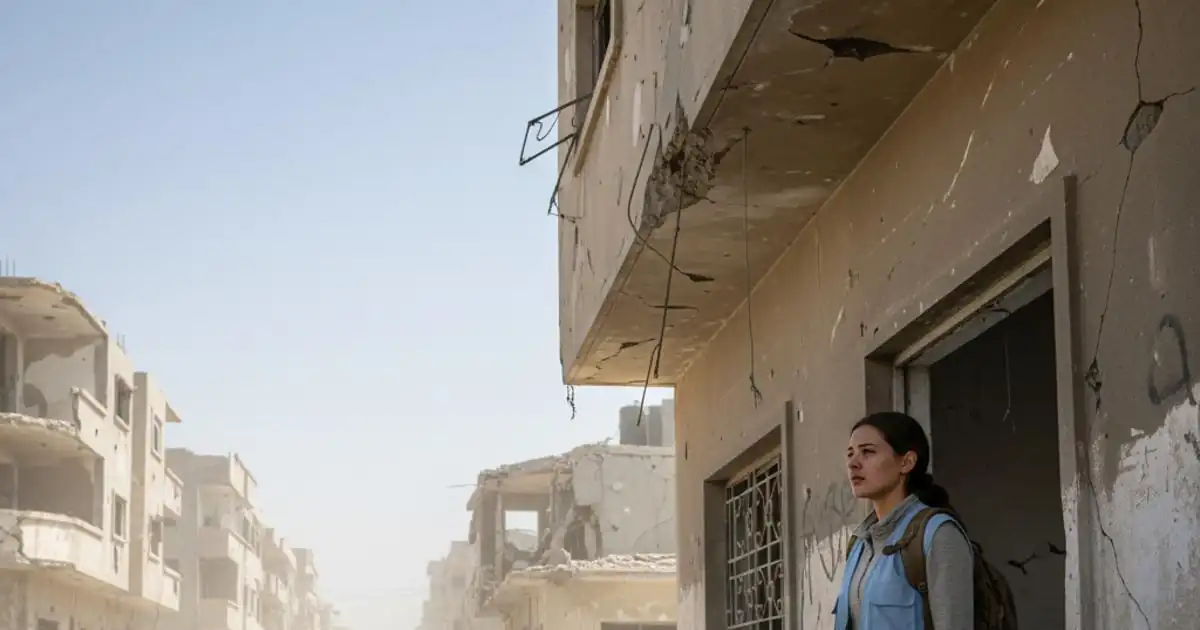
In a quiet corner of a battered Khartoum neighborhood, a mother in her mid-thirties sits outside a cracked doorway, gently explaining to her young son why school is no longer possible. Her story is not unusual. It mirrors the daily reality of millions of Sudanese whose lives are shaped by fear, loss, and the constant effort to preserve dignity amid Collapse.
These personal moments, often invisible beyond their streets, reveal a deeper social Crisis unfolding beneath headlines. Beyond politics and armed conflict lies a struggle rooted in everyday life one that touches families, Reshapes communities, and defines the future of an entire generation growing up without certainty.
Beneath the ashes of destroyed neighborhoods, ordinary Sudanese continue to navigate overlapping crises, their voices often unheard behind the daily struggles of survival. In quiet, fragmented ways, society still speaks, revealing how social priorities shift amid prolonged instability and loss.
Setting the Scene: A Society Under Constant Strain
Social and Economic Backdrop
Over recent years, Sudan has entered one of the most turbulent social periods in its modern history. Armed conflict, economic breakdown, and the erosion of basic services have fundamentally altered how people live. Internal displacement has surged, employment opportunities have shrunk, and the cost of food and essentials has risen far beyond what most incomes can sustain.
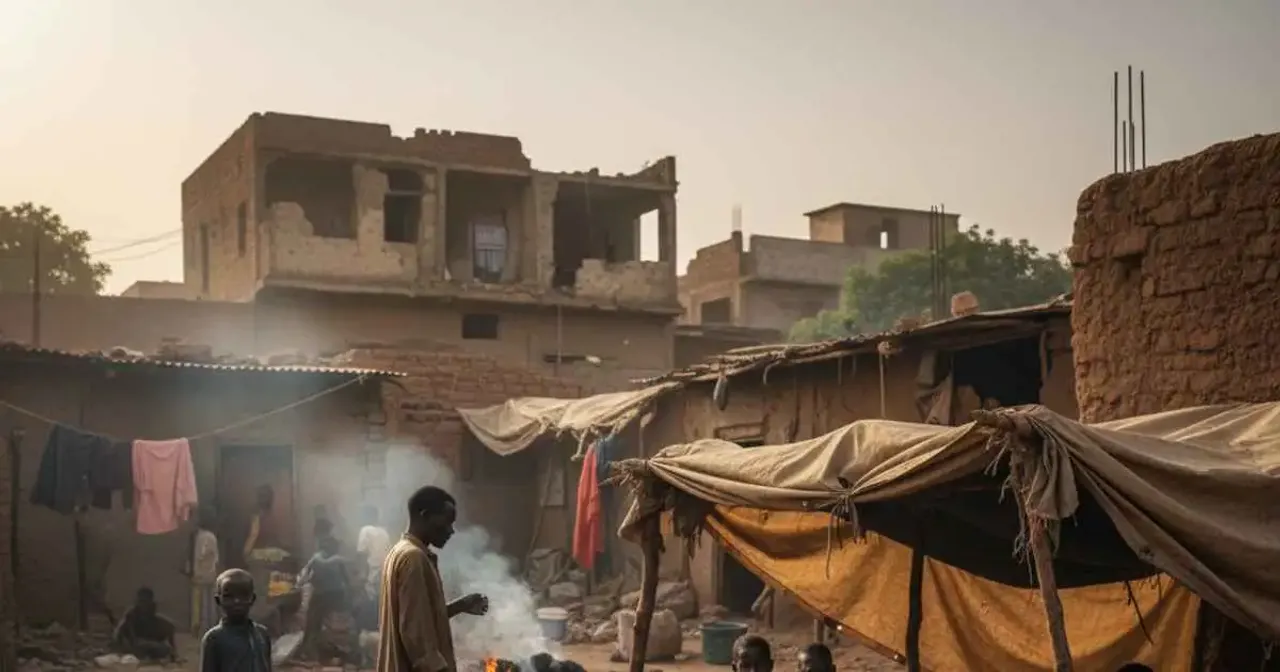
Urban neighborhoods have transformed as displaced families seek shelter wherever possible. Rural areas, meanwhile, face declining agriculture and shrinking livelihoods, forcing communities to rely heavily on informal support networks. This reality has left much of society in a permanent state of uncertainty.
The Human Narrative: Pain, Adaptation, and Quiet Strength
Lives Reduced to Essentials
A young man in his early twenties describes how his dreams of completing university have narrowed to finding daily labor that can secure one meal for his family. Long term plans feel meaningless when each day is a challenge to endure.
Another woman speaks of losing her husband during the conflict and suddenly becoming the sole provider for her Children. She describes fear as a constant presence, yet insists surrender is not an option. “My children need to see strength,” she says, echoing a sentiment shared by many.
The Overlooked Psychological Toll
Beyond material hardship lies an immense emotional burden. Anxiety, sleeplessness, and persistent feelings of helplessness are common. Yet mental health remains largely unaddressed, overshadowed by the immediate struggle for physical survival.
Broader Social Trends: Beyond Individual Stories
Shifting Family Structures
Under sustained pressure, traditional family roles have changed rapidly. Women increasingly act as primary breadwinners, while many children leave school to work. Though deeply challenging, these shifts also reveal a remarkable adaptability within Sudanese society.
Youth Between Frustration and Purpose
Young people bear a disproportionate share of the burden. Many feel trapped between harsh realities and limited opportunities. Some attempt migration, while others turn to volunteering and grassroots initiatives, searching for meaning amid instability.
Voices from the Community: How People Interpret the Crisis
Public Perceptions of Prolonged Hardship
In everyday conversations, a common sentiment emerges: Crisis is no longer temporary, but a way of life. Anger toward repeated failures coexists with a strong belief in community solidarity as the last line of defense.
Local Initiatives Filling the Void
Community organizers speak of modest but vital efforts shared kitchens, informal classrooms, and neighborhood aid groups. Though limited in scale, these initiatives reflect collective determination to protect the most vulnerable.
Structural Drivers: Why the Struggle Persists
Deep Rooted Systemic Challenges
Poverty, unequal access to services, and weak infrastructure long predate the current conflict. Their intensification has left communities largely reliant on themselves, amplifying individual burdens.
Political Instability and Daily Life
Instability is felt not only in national debates but in everyday disruptions. Closed schools, unreliable healthcare, and broken utilities shape daily routines, reinforcing a sense of abandonment.
Rays of Hope: Resilience Amid Adversity
Stories of Transformation
Despite everything, inspiring examples emerge. A teacher continues lessons from her living room after a school closure. Young volunteers organize neighborhood clean ups and peer support groups. These actions do not end the Crisis, but they restore a sense of agency.
Solidarity as Survival
What prevents total social collapse, many argue, is solidarity. Sharing food, hosting displaced relatives, and pooling scarce resources have become daily practices that sustain communal bonds.
Analytical Perspective: Why These Stories Matter
These narratives are more than individual tragedies. They reflect deep social transformations unfolding in Sudan and across parts of the Arab world, where political upheaval intersects with economic pressure. Understanding these lived experiences is essential to grasping why sustainable solutions must place human needs not only political agreements at their core.
Conclusion: What Lies Ahead
In Sudan today, strength is measured less by what people possess and more by their capacity to continue. Human stories reveal a society exhausted yet unwilling to abandon one another.
The lingering question remains: will these voices be heard and translated into meaningful change, or will they continue to echo softly beneath layers of crisis?
FAQs
1. What are the main social challenges facing Sudanese communities today?
Displacement, poverty, interrupted education, weakened healthcare, and rising psychological stress define daily life for many.
2. How has conflict altered family life in Sudan?
It has shifted economic roles, increased child labor, and forced families to prioritize survival over long term aspirations.
3. Are there community led efforts addressing these challenges?
Yes. Grassroots initiatives focused on food sharing, informal education, and mutual support play a crucial role.
4. Why are human stories essential to understanding Sudan’s crisis?
They reveal the real impact of structural failures on daily life and help shape people centered responses.