
The Sudan child hunger Crisis has reached a point where survival, not recovery, defines daily life for hundreds of thousands of Children. In Darfur, hunger is no longer a seasonal shock or a temporary shortage. It is systemic, sustained by conflict, displacement, and the collapse of basic services.
What makes the current moment different is scale. Malnutrition levels among Children are not just high; they are historically extreme. The combination of armed violence, blocked aid routes, and mass displacement has created conditions where preventable deaths are becoming routine.
Darfur has lived through cycles of violence for decades, but the present conflict has dismantled even the fragile coping systems that once existed. Local food production has collapsed. Markets have stopped functioning. Health facilities are damaged or abandoned.
In areas such as North Darfur, families are surviving on minimal meals, often skipping entire days without food. Children, whose nutritional needs are higher and more sensitive, are the first to show the consequences.
Emergency nutrition assessments now place Darfur among the worst child hunger hotspots globally, surpassing internationally recognized emergency thresholds.
What Acute Malnutrition Really Means for Children
Acute malnutrition is not simply about being underweight. It is a medical emergency. Children suffering from severe acute malnutrition face a dramatically increased risk of death from common illnesses such as diarrhea, pneumonia, and measles.
According to UNICEF, when severe malnutrition reaches extreme levels, survival depends on immediate treatment and uninterrupted care. Delays of weeks can be fatal.
In Darfur, many children arrive at nutrition centers already weakened by displacement, illness, and missed vaccinations, making recovery far more difficult.
How Fighting Turned Hunger Into a Mass Phenomenon
The conflict between the Sudanese Armed Forces and the Rapid Support Forces has transformed hunger from a localized issue into a nationwide crisis.
Urban sieges, roadblocks, and active combat have cut off supply routes. Aid convoys struggle to reach communities. Farmers have abandoned land. Livestock has been lost or looted.
When war disrupts food systems at every level production, transport, and Access hunger becomes unavoidable.
Displacement From El Fasher and the Collapse of Safety Nets
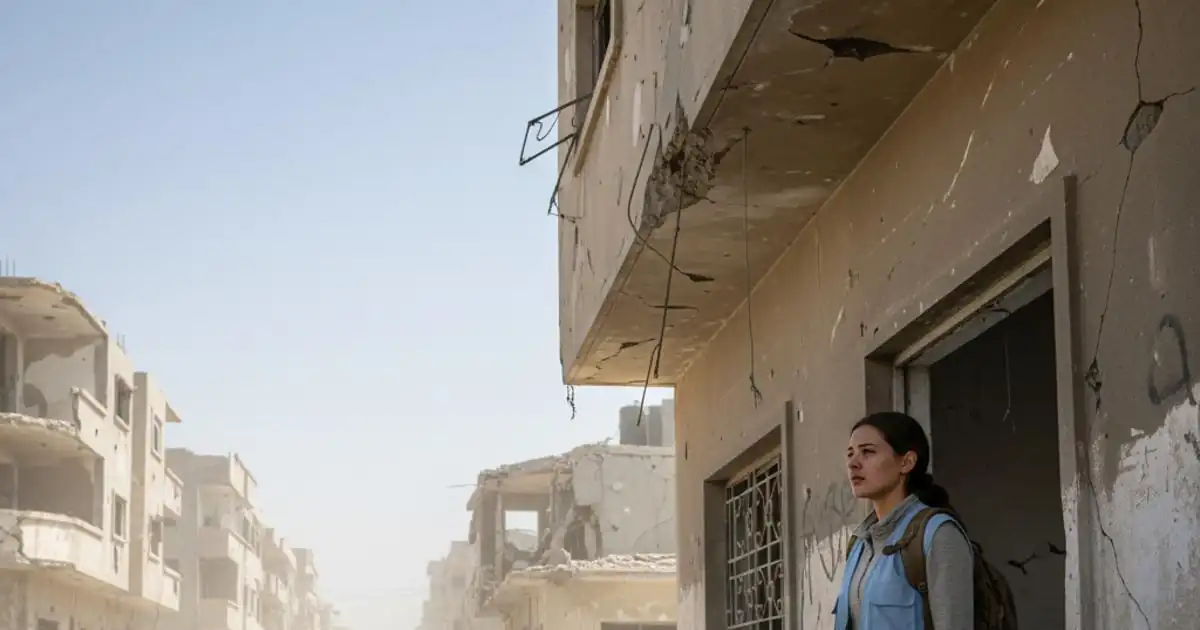
The fall of El Fasher marked a turning point. As the last major administrative center in North Darfur collapsed, tens of thousands of families fled with little more than what they could carry.
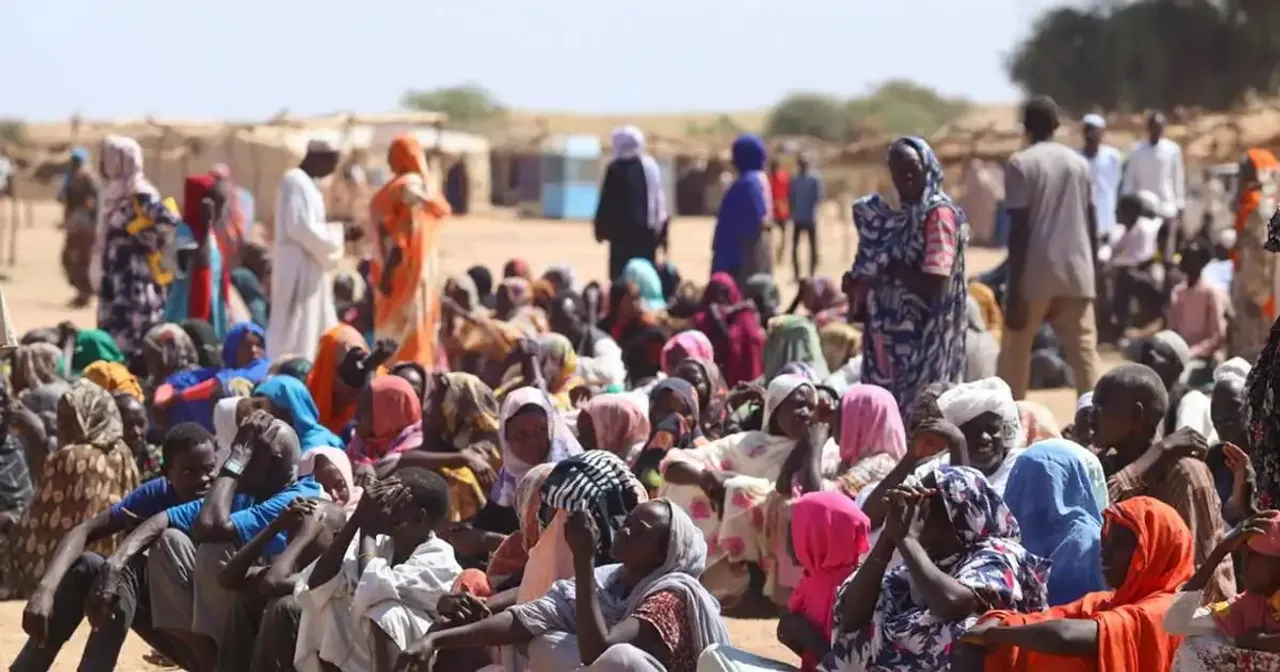
Displacement sites in surrounding localities are now overcrowded and under resourced. Clean water is scarce. Sanitation is inadequate. Healthcare services are minimal or nonexistent.
Children in these settings face a triple threat:
- Severe food shortages
- Exposure to disease
- Lack of routine medical care
This convergence accelerates malnutrition and increases mortality risk.
Why Aid Alone Is Not Enough
While life saving nutrition supplies exist, they cannot solve the crisis in isolation. Treating malnutrition without addressing water, sanitation, healthcare, and disease prevention limits long term impact.
Health experts emphasize that child survival depends on integrated services. Nutrition treatment must be paired with vaccinations, maternal care, and clean water access.
The World Health Organization has repeatedly warned that hunger crises become deadly when health systems collapse alongside food shortages.

Blocked Humanitarian Access Is Costing Lives
One of the most dangerous aspects of the Sudan child hunger crisis is restricted humanitarian access. Insecurity and political obstacles have delayed or prevented aid deliveries to some of the worst affected areas.
When access is limited, humanitarian agencies cannot scale up treatment, monitor conditions, or prevent disease outbreaks. Even temporary blockages can have permanent consequences for children already on the brink.
Access is not a logistical issue alone; it is a matter of survival.
Refugee Flows Into Chad Signal a Regional Emergency
As conditions worsen, families are crossing borders in growing numbers. Eastern Chad has become a critical refuge for those fleeing Darfur’s violence and hunger.
According to UNHCR, most new arrivals are women and children, many suffering from exhaustion, trauma, and malnutrition.
This movement places immense pressure on host communities and humanitarian systems, extending the crisis beyond Sudan’s borders and raising regional stability concerns.
The Long Term Cost of Childhood Hunger
Hunger does not end when food arrives. Severe malnutrition in early life permanently affects physical growth, cognitive development, and economic potential.
A generation exposed to prolonged hunger faces:
- Lower educational attainment
- Higher lifelong health risks
- Reduced economic productivity
The Sudan child hunger crisis is therefore not only a humanitarian emergency. It is a long term development disaster.
What the Coming Months May Bring
Without sustained ceasefires and guaranteed humanitarian access, conditions are likely to deteriorate further. Displacement will continue. Malnutrition rates may rise. Preventable deaths will increase.
Opportunities still exist to stabilize the situation:
- Securing safe aid corridors
- Expanding cross border assistance
- Restoring basic health services
Delay, however, carries irreversible consequences.
FAQs
Why is child hunger so severe in Darfur right now?
Because conflict has destroyed food systems, blocked aid, and displaced families.
Can malnourished children recover fully?
Yes, with early treatment and comprehensive healthcare support.
Why does this crisis affect neighboring countries?
Because refugees fleeing hunger and violence cross borders, straining regional resources.