


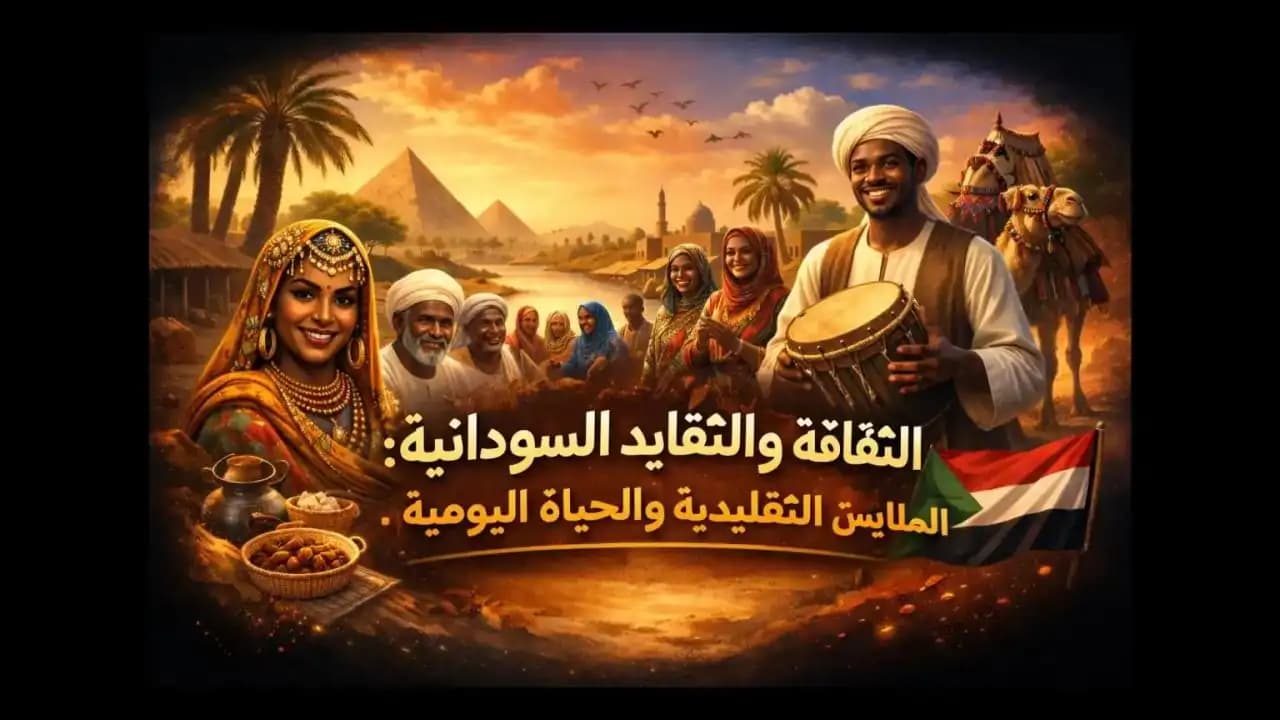
Living Threads of Sudanese Culture and Traditions
Sudanese Culture and traditions form a living tapestry shaped by history, geography, faith, and community memory. Across deserts, river valleys, and savannahs, Sudanese identity grows from shared customs, rituals, and social values that guide daily life. These traditions remain relevant today, even as modern pressures reshape society. Sudanese heritage offers insight into resilience, hospitality, collective belonging, and cultural continuity rooted in generations of lived experience.
Rather than existing as static relics, Sudan cultural traditions adapt through storytelling, family life, food, music, and celebrations. Each practice carries meaning, revealing how Sudanese people understand dignity, kinship, and responsibility toward one another.
Sudanese Food Culture
Sudanese food culture reflects a rich blend of history, geography, and community traditions. Meals in Sudan are not just about nourishmentthey are a social experience that brings families and communities together.
Traditional Sudanese dishes often include staples such as sorghum, millet, and bread, combined with flavorful stews and spices. Popular foods like ful medames (slow-cooked fava beans) and kisra (a type of fermented flatbread) are deeply rooted in daily life.
Food in Sudan also reflects regional diversity. In some areas, dishes are influenced by neighboring Cultures, creating a unique fusion of flavors. Sharing meals is an important cultural value, symbolizing hospitality and respect.
Traditional Clothing in Sudan
Traditional Sudanese clothing represents identity, modesty, and cultural pride. One of the most recognizable garments is the thobe, worn by many Sudanese women. It is a long, flowing piece of fabric wrapped elegantly around the body.
Men traditionally wear the jalabiya, a loose-fitting robe suited for the hot climate. These garments are often simple in design but carry deep cultural meaning.
Clothing in Sudan is not only functional but also symbolic. Colors, fabrics, and styles can reflect social status, regional identity, and even occasions such as weddings or religious events.
Sudanese Social Customs and Etiquette
Sudanese social customs emphasize respect, hospitality, and strong community ties. Greeting others politely is an essential part of daily interaction, often involving extended conversations rather than quick exchanges.
Hospitality is a cornerstone of Sudanese culture. Guests are treated with great care, and offering food or drinks is considered a sign of generosity and respect.
Respect for elders and maintaining social harmony are also key values. In both urban and rural settings, traditions guide behavior, communication, and relationships within society.
Interesting Facts About Sudanese Culture
Sudanese culture is full of fascinating details that reflect its deep historical roots and diverse influences.
- Sudan is home to one of the oldest civilizations in Africa
- Traditional music and dance play an important role in celebrations
- Arabic and local languages shape communication styles
- Community and family bonds are central to everyday life
These cultural elements make Sudan a unique blend of tradition and modern identity, where history continues to influence present-day life.
Cultural Roots of Sudanese Traditions
Sudan’s cultural roots stretch across ancient kingdoms, African tribal networks, Arab migrations, and Islamic scholarship. This layered history shapes customs still practiced in villages, towns, and cities. Nile-centered civilizations cultivated agricultural rhythms, while nomadic communities developed Traditions tied to seasonal movement and livestock care.
Islam plays a major role in Sudanese identity and culture, influencing ethical conduct, social rituals, and festivals. However, Sudanese heritage also reflects African spiritual traditions, local dialects, and indigenous belief systems that predate Islam. These elements coexist, forming a cultural balance between faith, ancestry, and land.
Oral tradition remains central. Elders pass knowledge through stories, poetry, and proverbs that explain moral conduct, courage, patience, and social harmony. Such storytelling preserves historical memory while teaching younger generations their place within Community life.
Daily Life and Traditional Sudanese Customs
Traditional Sudanese lifestyle revolves around communal rhythms rather than individual routines. Daily life values cooperation, shared responsibility, and neighborly connection. Morning greetings extend beyond politeness, often including inquiries about family health, harvest conditions, and community well-being.
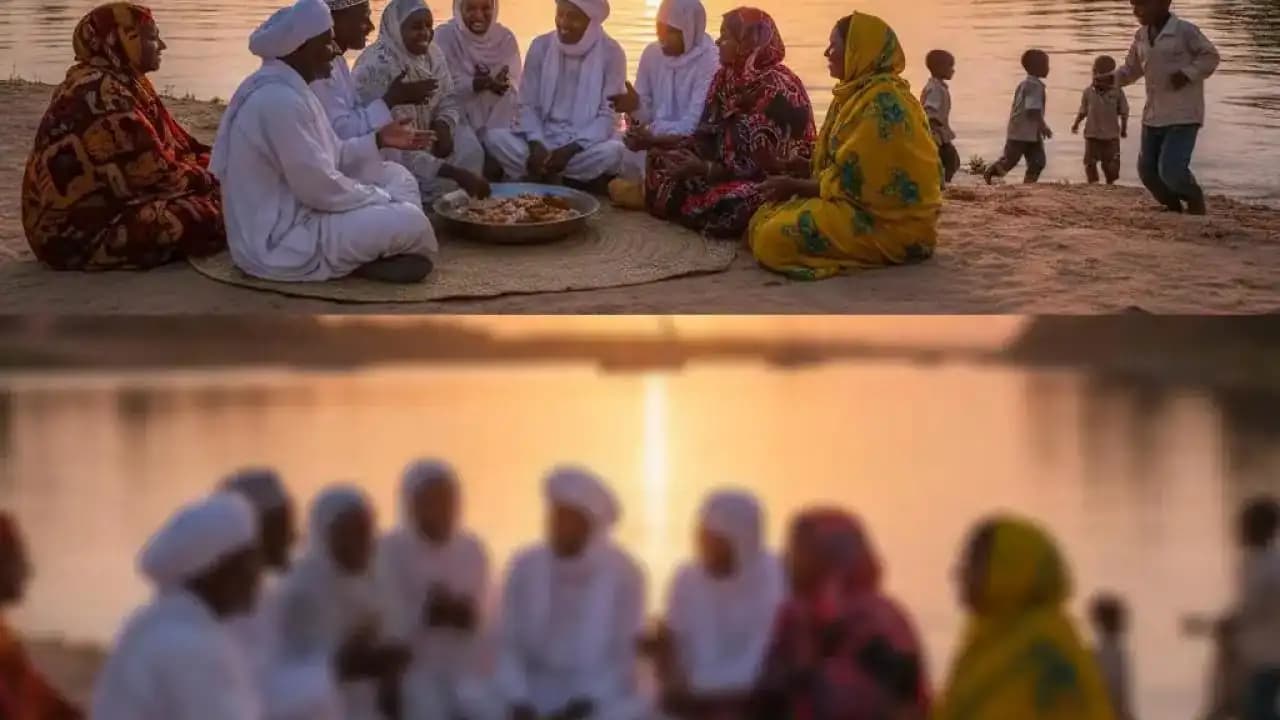
Food preparation offers a clear example of Sudan customs and rituals. Meals often involve shared plates, reinforcing equality and togetherness. Women play a central role in preserving culinary knowledge, while men often manage agricultural or pastoral tasks. Despite urbanization, these roles remain influential, though modern Sudanese families increasingly share responsibilities.
Time carries a flexible meaning. Social obligations often outweigh rigid schedules, reflecting respect for relationships rather than efficiency alone. This approach strengthens bonds but also challenges younger generations navigating globalized work environments.
Family, Hospitality, and Social Values
Family stands at the heart of Sudanese identity and culture. Extended families function as support networks, offering financial help, childcare, conflict resolution, and emotional care. Elders command respect due to wisdom gained through experience rather than formal authority.
Hospitality defines Social reputation. Guests receive food, tea, and attention regardless of social status. Turning away a visitor damages personal honor and family standing. Coffee and tea rituals symbolize welcome, patience, and conversation rather than mere refreshment.
Marriage customs highlight collective responsibility. Weddings involve entire neighborhoods through shared cooking, music, and financial contributions. Marriage represents a union between families, not only individuals. Even modern ceremonies preserve traditional elements such as henna nights, poetic praise, and communal feasting.
Clothing, Food, and Cultural Expression
Traditional clothing expresses regional identity, climate adaptation, and social values. Men often wear the jalabiya, a loose garment suited for heat and movement, paired with turbans reflecting status or regional style. Women wear the thobe, a flowing wrap combining elegance with modesty. Colors, fabrics, and embroidery communicate age, marital status, or celebratory purpose.
Sudanese cuisine reflects agricultural heritage and resourcefulness. Staple foods include sorghum-based breads, stews flavored with okra or dried vegetables, and fermented dishes carrying deep cultural meaning. Food preparation techniques emphasize preservation, essential in regions facing seasonal scarcity.
Music and dress intersect during celebrations. Bright fabrics, jewelry, and rhythmic movement transform daily attire into expressions of joy, Identity, and artistic pride.
Music, Dance, and Oral Heritage
Music acts as a cultural archive within Sudanese heritage. Drums, clapping, and call-and-response singing accompany weddings, harvest festivals, and spiritual gatherings. Lyrics often celebrate bravery, beauty, ancestry, or moral strength.
Dance styles vary by region. Some emphasize graceful hand movements, while others involve energetic footwork reflecting agricultural labor or warrior Traditions. Participation matters more than performance quality, reinforcing collective joy over individual display.
Poetry occupies a respected cultural position. Poets serve as historians, Social commentators, and moral guides. Spoken verse preserves tribal history, love stories, and political reflection, ensuring cultural continuity even during periods of upheaval.
Festivals, Rituals, and Community Life
Festivals mark life transitions and seasonal cycles within Sudan customs and rituals. Religious celebrations such as Eid combine prayer, charity, and communal meals. Non-religious festivals honor harvests, rain, or tribal anniversaries.
Birth rituals include naming ceremonies attended by extended family and neighbors. Elders bless newborns, symbolizing continuity between generations. Funerary practices emphasize dignity, collective mourning, and mutual support rather than isolation.
Community rituals strengthen resilience during hardship. Shared labor during planting seasons or rebuilding after floods demonstrates how Sudanese Culture and traditions prioritize survival through cooperation.
Key Elements of Sudanese Cultural Traditions
- Traditional hospitality practices centered on generosity, food sharing, and open homes
- Communal family values supporting collective childcare, elder respect, and conflict mediation
- Regional clothing styles expressing climate adaptation and social identity
- Music and storytelling heritage preserving history through rhythm and oral memory
- Rituals tied to life events such as birth, marriage, and mourning
These elements shape everyday behavior while reinforcing shared values across diverse communities.
Cultural Insight and Modern Context
Sudanese heritage continues evolving amid migration, urbanization, and digital communication. Younger generations reinterpret traditions through fashion, music, and online storytelling. While some customs adapt, core values remain resilient.
Diaspora communities play a key role in preservation. Cultural gatherings abroad maintain language, food practices, and ritual celebrations. Technology enables elders to teach traditions across distances, ensuring continuity despite displacement.
Globally, Sudanese culture matters because it represents endurance shaped by cooperation rather than conquest. Its emphasis on hospitality, respect, and community offers valuable lessons in social cohesion during uncertain times.
Frequently Asked Questions About Sudanese Culture
What is Sudanese culture known for?
Sudanese culture is known for its strong community values, hospitality, traditional clothing, and rich historical heritage.
What are common Sudanese traditions?
Common traditions include hospitality, respect for elders, traditional dress, and shared meals with family and guests.
What food is popular in Sudan?
Popular Sudanese foods include ful medames, kisra, and various traditional stews made with local ingredients.
What is traditional clothing in Sudan?
Traditional clothing includes the thobe for women and the jalabiya for men.
What defines Sudanese culture and traditions?
Sudanese culture centers on community, hospitality, family bonds, oral heritage, and adaptive traditions shaped by history and environment.
How do traditions vary across Sudan?
Regional geography influences clothing, music, dialects, and rituals, creating diverse yet interconnected cultural expressions.
Why is Sudanese heritage important today?
Sudanese heritage preserves identity, resilience, and collective memory, especially during social and political challenges.
How are traditions preserved in modern Sudan?
Families, artists, diaspora communities, and cultural gatherings transmit traditions through storytelling, rituals, and creative adaptation.