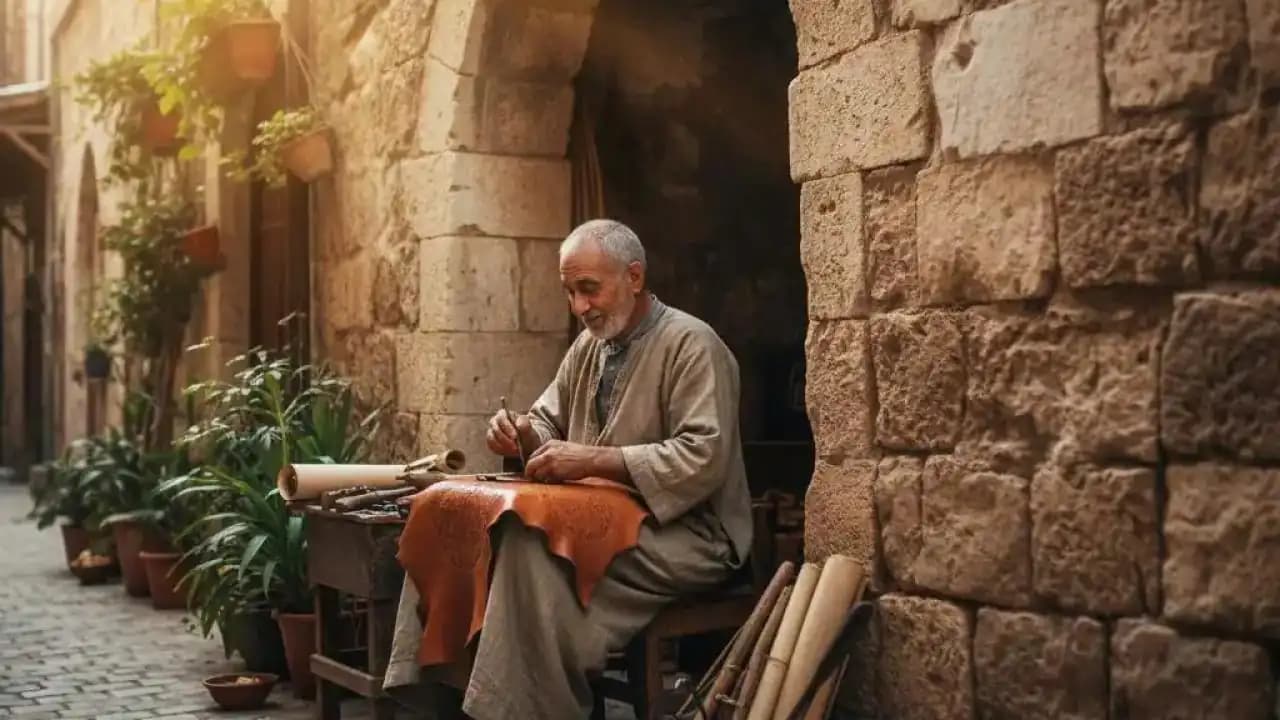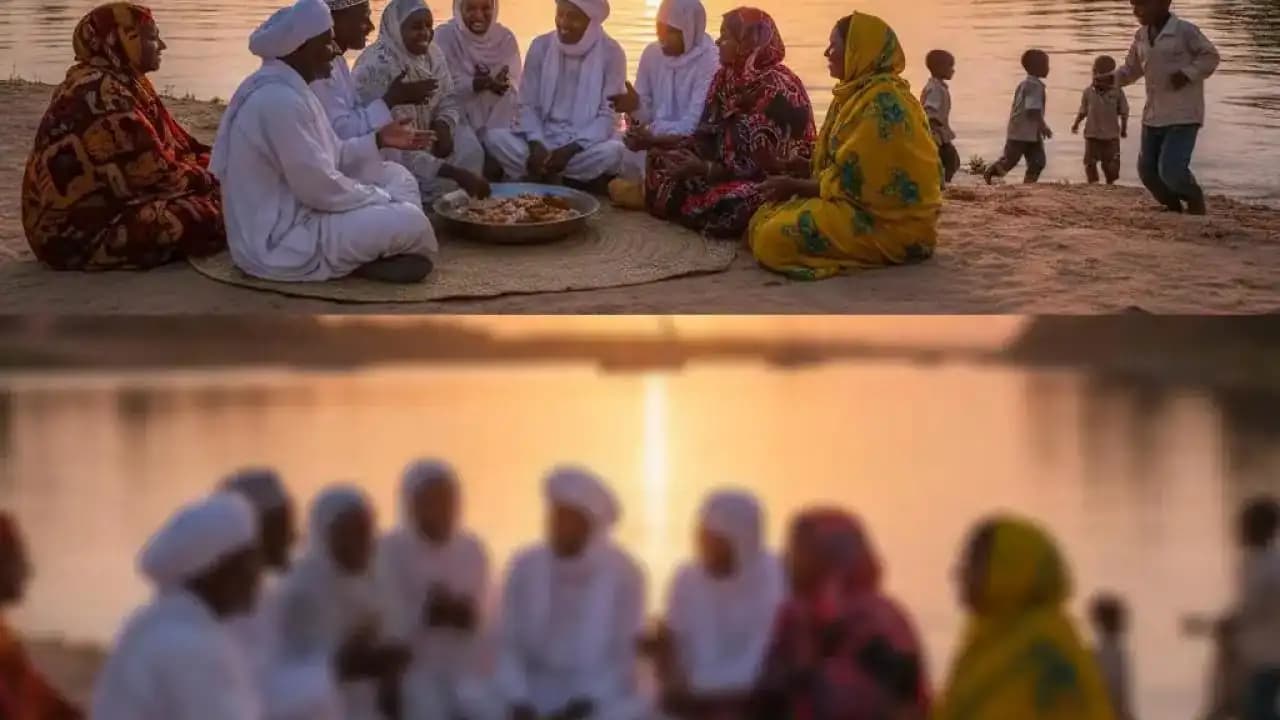



When most Americans hear about Sudan, the narrative often centers on politics, conflict, or humanitarian crises. Yet behind the headlines exists one of Africa’s most rich, diverse, and deeply human Cultures a culture shaped by ancient civilizations, African and Arab heritage, and powerful traditions of community and resilience.
Sudanese culture is not a relic of the past. It is alive, practiced daily in homes, weddings, markets, music, and shared meals. Understanding these traditions offers a fuller, more respectful view of Sudanese identity especially important as Sudanese communities continue to grow across the United States.
Sudanese Culture and Traditions represent a living heritage beyond the headlines often seen in Western media. Far from being defined by conflict or crisis alone, this living heritage is expressed through everyday practices such as hospitality, family life, food, music, clothing, and communal rituals. Exploring Sudanese culture beyond the headlines allows for a deeper, more human understanding of identity, resilience, and continuity across generations.
This guide explores the core values, customs, food, clothing, music, and social rituals that define Sudanese life, offering context and clarity for readers seeking cultural understanding beyond stereotypes.
1. The Foundations of Sudanese Culture
Sudan sits at the crossroads of Sub-Saharan Africa and the Arab world, and its culture reflects centuries of interaction between Indigenous African traditions, Islamic influences, and regional trade routes.
Key Cultural Influences:
- Nubian civilizations along the Nile
- Arab migration and Islamic scholarship
- African ethnic diversity (over 500 ethnic groups)
- Oral storytelling and poetry traditions
Rather than a single identity, Sudanese culture is pluralistic regional customs vary, yet shared values unify communities nationwide and abroad.
2. Core Sudanese Values That Shape Daily Life
Hospitality (Karam)
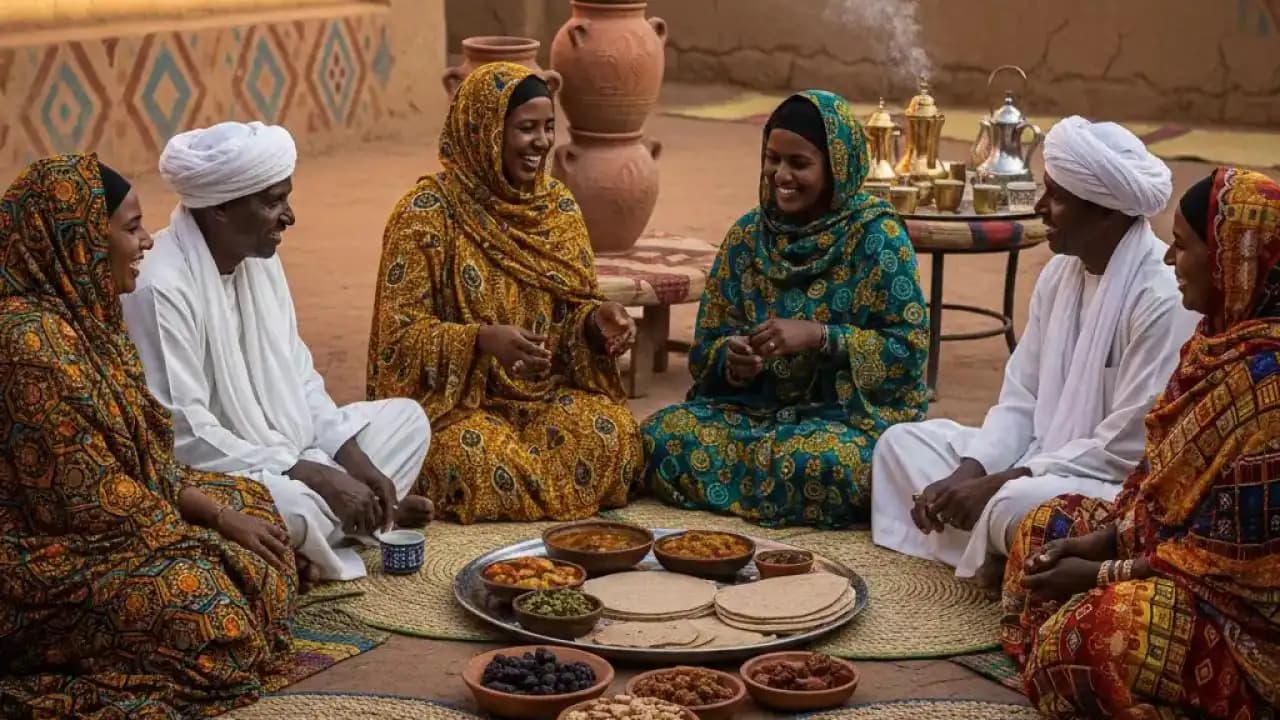
Hospitality is not optional in Sudan it is a moral duty. Guests are welcomed generously, often with tea, coffee, or a full meal, regardless of social status.
Refusing hospitality may even be considered impolite.
Family & Community
Extended families play a central role. Decisions are communal, elders are respected, and support networks extend beyond blood relations to neighbors and friends.
Respect & Modesty
Respectful speech, modest dress, and humility are culturally valued. Social harmony matters more than individual assertiveness.
These values remain strong among Sudanese families living in the U.S., helping preserve identity across generations.
3. Sudanese Food: More Than a Meal
Food in Sudan is about connection, not just nutrition.
Common Traditional Dishes:
- Kisra fermented flatbread made from sorghum
- Mullah stews served with kisra or rice
- Ful Medames slow cooked fava beans
- Asida porridge like dish for celebrations
Meals are often shared from a common plate, reinforcing equality and togetherness.
Tea & Coffee Rituals
Tea (shay) is a daily ritual, especially among women. Spiced with ginger or cloves, it’s a time for conversation and bonding.
Coffee ceremonies, while simpler than Ethiopian ones, still carry social meaning especially during visits.
4. Traditional Clothing and Cultural Identity
Clothing reflects modesty, beauty, and status.
For Women:
- Tobe a flowing, elegant garment worn over clothing
- Colors and patterns can signal age, marital status, or occasion
For Men:
- Jalabiya loose white robe
- Imma traditional turban
Traditional attire is commonly worn during weddings, religious events, and cultural celebrations even among diaspora communities.
5. Music, Poetry, and Oral Traditions
Sudanese culture is deeply oral. History, wisdom, and emotion are passed down through:
- Folk songs
- Love poetry
- Wedding chants
- Spiritual praise music
Popular Themes:
- Love and longing
- Homeland and exile
- Faith and endurance
Modern Sudanese musicians now blend traditional rhythms with jazz, hip hop, and Afro fusion especially among youth in the U.S. and Europe.
6. Weddings and Life Cycle Traditions
Sudanese weddings are multi day events involving entire communities.
Common Elements:
- Henna nights
- Singing and drumming
- Family led matchmaking
- Gift exchanges
Other important traditions mark:
- Births
- Naming ceremonies
- Religious milestones
These rituals emphasize continuity, belonging, and shared joy.
7. Sudanese Culture in the United States
Sudanese Americans actively preserve their heritage through:
- Cultural associations
- Community mosques and centers
- Food businesses
- Music and storytelling events
For younger generations, culture becomes a bridge connecting ancestral roots with American life.
Understanding these traditions helps Americans engage more respectfully with Sudanese neighbors, coworkers, and friends.
How To: Understand Sudanese Culture and Traditions
Step 1: Learn Core Cultural Values
Start by understanding hospitality, family unity, and respect for elders. These values influence communication styles, social behavior, and decision making.
Why it matters: Misinterpreting politeness or indirect speech can lead to cultural misunderstandings.
Step 2: Explore Food and Social Rituals
Try Sudanese cuisine at local restaurants or community events. Observe how meals are shared and how tea rituals create space for conversation.
Why it matters: Food is the fastest gateway to cultural connection.
Step 3: Engage With Music and Traditional Dress
Attend cultural festivals, listen to Sudanese music, or learn about garments like the tobe and jalabiya.
Why it matters: Music and clothing express identity where words may fail.
Frequently Asked Questions (FAQs)
What defines Sudanese culture?
Sudanese culture is defined by a blend of African and Arab influences, strong hospitality, deep family bonds, oral traditions, and communal values rooted in history and faith.
What are common Sudanese traditions?
Shared meals, tea ceremonies, wedding rituals, storytelling, traditional clothing, and respect for elders are central traditions practiced across regions.
Why is Sudanese culture important to understand in the USA?
Understanding Sudanese culture promotes empathy, counters stereotypes, and strengthens multicultural relationships especially as Sudanese communities grow across American cities.
Final Thoughts: Seeing Sudan Beyond the Headlines
Sudanese culture is not a footnote to crisis it is a living heritage of dignity, creativity, and resilience. By learning its traditions, values, and everyday practices, we move closer to seeing Sudan and its people as they truly are: complex, generous, and deeply human.
If culture is how people remember who they are, then Sudanese culture remains a powerful act of remembrance at home and across the diaspora.
Related article: Living Heritage of the Arab World: Preserving Identity and Tradition