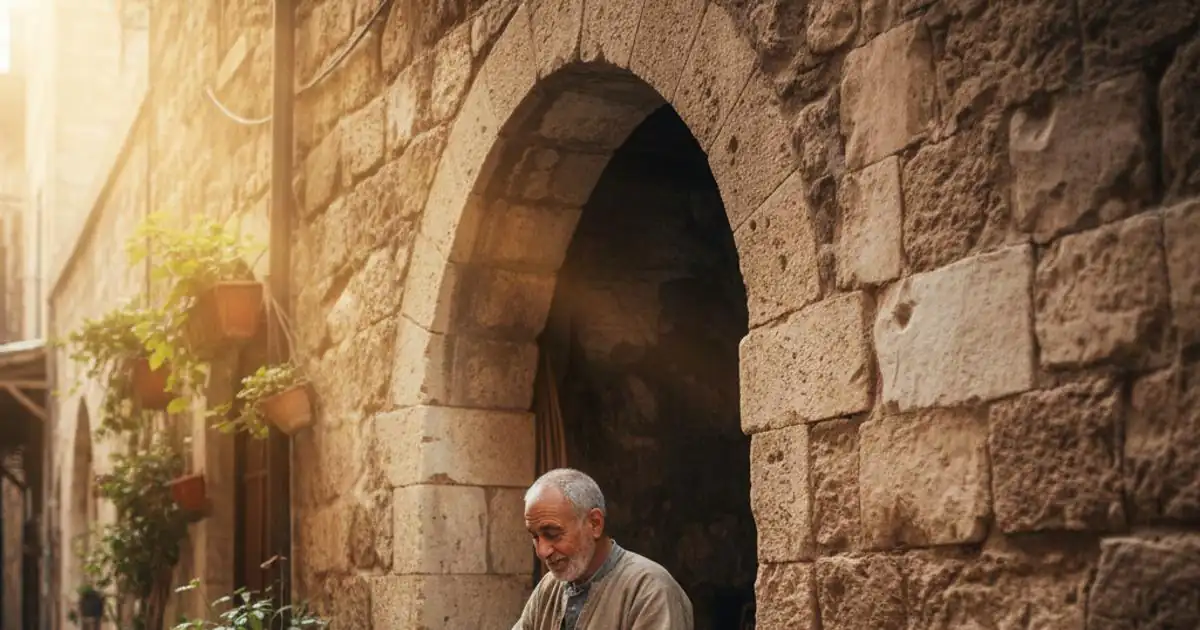

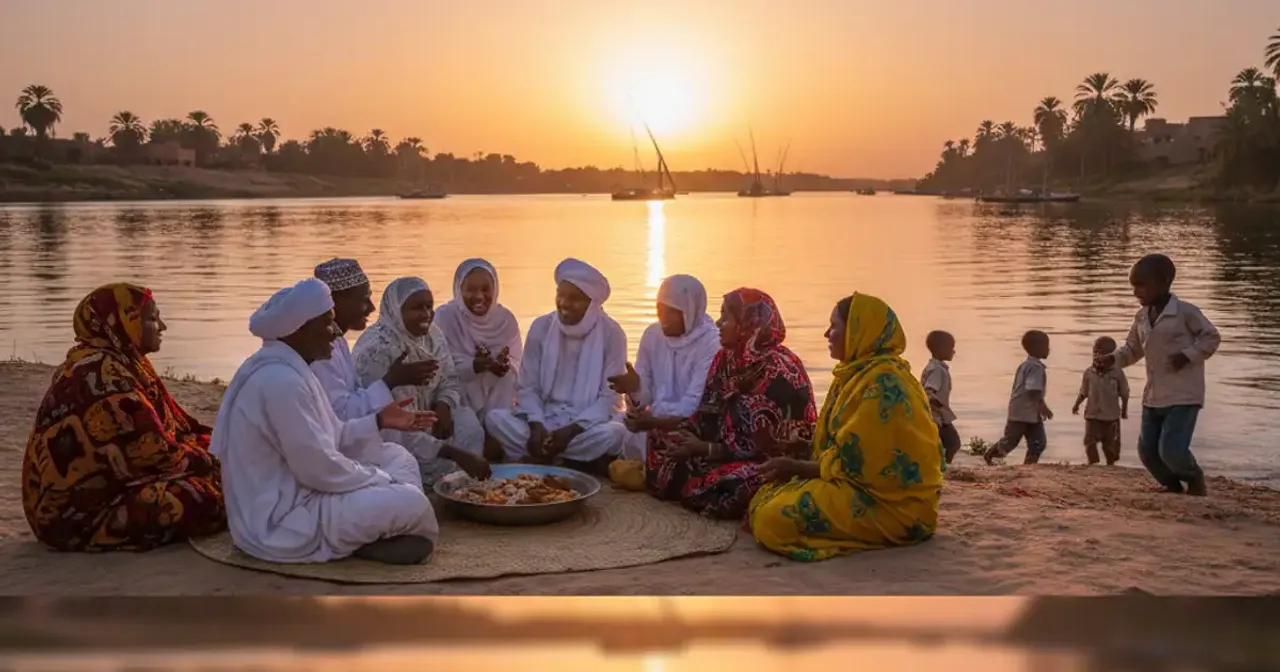
Sudanese Culture is shaped by resilience, hospitality, and a deep sense of community. From family rituals and shared meals to music, language, and identity, Sudanese life reflects a living heritage that continues to evolve despite modern change.
Sudanese Culture is not a single story but a living tapestry woven from river civilizations, desert trade routes, faith traditions, and deeply rooted social bonds. To understand Sudanese culture is to understand how people adapted to vast landscapes, navigated centuries of exchange, and built meaning around family, hospitality, and resilience. This culture is felt most clearly not in monuments, but in daily rituals shared meals, greetings, weddings, and the rhythms of communal life.
Why Geography and History Matter in Sudanese Culture
Sudan’s geography stretches from the Nile Valley to arid deserts and fertile savannas. This physical diversity shaped settlement patterns, livelihoods, and cultural expression. River communities developed agricultural Traditions tied to seasonal cycles, while nomadic and semi-nomadic groups built social systems around mobility and mutual dependence.
Over centuries, Sudan became a crossroads between Africa and the Arab world. Trade, migration, and intermarriage contributed to ethnic diversity in Sudan, producing layered identities rather than rigid categories. Sudanese Culture emerged from this constant interactionabsorbing influences while preserving local customs that defined belonging.
Identity Beyond Labels: Ethnicity, Language, and Belonging
Identity in Sudan is relational rather than individualistic. Many Sudanese define themselves first through family, clan, or region. Languages spoken across the country range from Arabic dialects to Nubian, Beja, and Nilotic languages, each carrying oral histories and worldviews.
Rather than erasing difference, Sudanese Culture historically accommodated plurality. Cultural identity is expressed through:
- Lineage and kinship ties
- Regional customs and dress
- Shared moral codes emphasizing dignity and respect
This balance between Diversity and cohesion remains a defining cultural strength.
Everyday Life and Sudanese Social Values
Daily life reveals Sudanese social values more clearly than formal traditions. Greetings are unhurried and layered, signaling respect and emotional connection. Time is often structured around social obligations rather than strict schedules, reinforcing communal priorities.
Hospitality is not symbolicit is expected. Guests are offered food and drink regardless of circumstances, reflecting an ethic of generosity shaped by environments where cooperation ensured survival. Sudanese food and hospitality are inseparable from social life; meals are shared experiences that affirm trust and equality.
Sudanese Culture at the Family Table
The family unit anchors social organization. Extended families often live nearby, sharing responsibilities across generations. Elders are consulted on major decisions, while children are socialized early into communal norms.
Marriage, birth, and mourning rituals illustrate how Sudanese Culture blends faith with local practice. These moments are collective events, reinforcing solidarity and shared memory. Even in urban settings, these customs remain powerful markers of continuity.
Art, Music, and Dress as Cultural Memory
Artistic expression in Sudan is closely tied to lived experience. Music accompanies celebrations and storytelling, using rhythm and call-and-response to create participation rather than performance. Traditional dress, whether simple or elaborate, signals regional identity, age, and social context.
Rather than static heritage, these forms evolve. Contemporary artists draw on traditional motifs while addressing modern realities, showing how Sudanese Culture adapts without losing its core meanings.
Rural Roots and Urban Transformation
Urbanization has reshaped cultural expression, but it has not erased rural influence. Cities often function as cultural mosaics where regional Traditions coexist. Rural valuesmutual aid, respect for elders, and community accountabilitycontinue to inform urban social life.
This rural–urban dialogue explains why customs persist even as lifestyles change. Cultural continuity is maintained through social practice, not geography.
Modern Influences and the Future of Sudanese Culture
Global media, migration, and technology are introducing new modes of expression, especially among younger generations. Yet change is negotiated rather than adopted wholesale. Youth culture blends global influences with inherited values, creating new cultural forms rooted in tradition.
Sudanese culture today is marked by adaptability. Its future lies not in preservation alone, but in reinterpretationcarrying forward social ethics while responding to new realities.
What Sudanese Culture Ultimately Teaches
At its core, Sudanese culture emphasizes human connection over material accumulation. It teaches patience, dignity, and shared responsibility. These values, shaped by land and history, continue to guide how people relate to one anotheroffering lessons that resonate far beyond Sudan’s borders.
Why Sudanese Culture Matters in a Changing World
At a time when globalization threatens cultural identity, Sudanese culture offers a powerful example of how tradition and modernity can coexist. Its emphasis on community, dignity, and shared responsibility feels increasingly relevant in a world struggling with isolation and social fragmentation.
Sudanese culture is not preserved in museums alone. It lives in conversations, food, memory, and mutual care. It survives not because it resists change, but because it absorbs it with dignity.
Frequently Asked Questions
What defines Sudanese culture most strongly?
Sudanese culture is defined by strong social bonds, hospitality, respect for elders, and a balance between ethnic diversity and shared moral values.
How does geography influence Sudanese culture?
Geography shaped livelihoods and social systems, from river-based agriculture to nomadic traditions, influencing cooperation and adaptability.
Is Sudanese culture uniform across the country?
No. Regional traditions, languages, and customs vary, but they coexist within a shared cultural framework.
How is Sudanese culture changing today?
Modern influences are reshaping expression, especially among youth, while core social values remain intact.
👉 Read the full visual story here:
To test and deepen your understanding of Sudanese traditions, history, and social values, you can also take this Sudanese culture understanding quiz. It’s a great way for readers to engage interactively with the topic after reading the article.
👉 Try the quiz here: