


Sudanese Culture is shaped by deep diversity rather than a single national template. From nomadic cattle herders to settled farming communities, cultural life in Sudan reflects centuries of adaptation to geography, belief, and social organization. Understanding Sudanese culture requires looking beyond surface customs to the systems that govern family life, authority, economy, and artistic expression. This guide examines how Sudanese culture works in practice, why it developed this way, and what it means for the country’s future.
In practical terms, this article explains how Sudanese culture operates as a set of living social systems, where traditions are continuously adapted rather than preserved as static heritage.
The sections below explain the internal logic behind these cultural patterns, showing how social organization, belief, and economy interact in everyday life.
Why Sudanese Culture Is Inherently Plural (Explained)
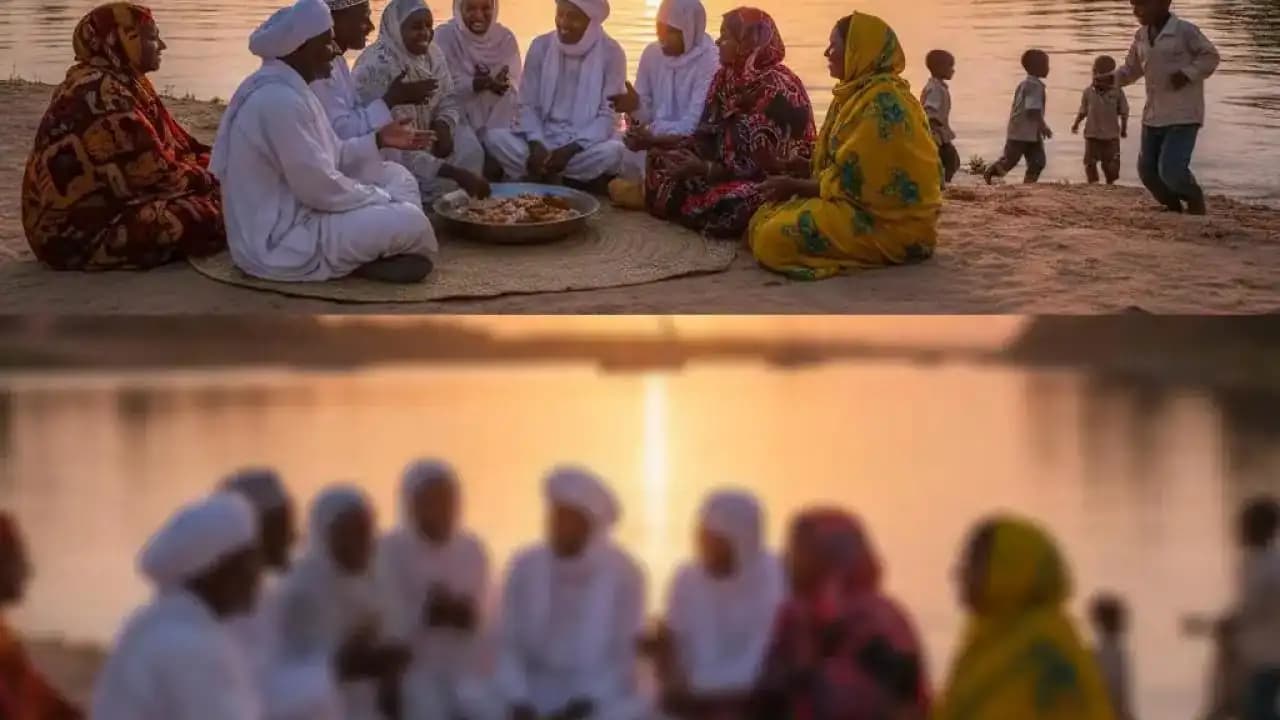
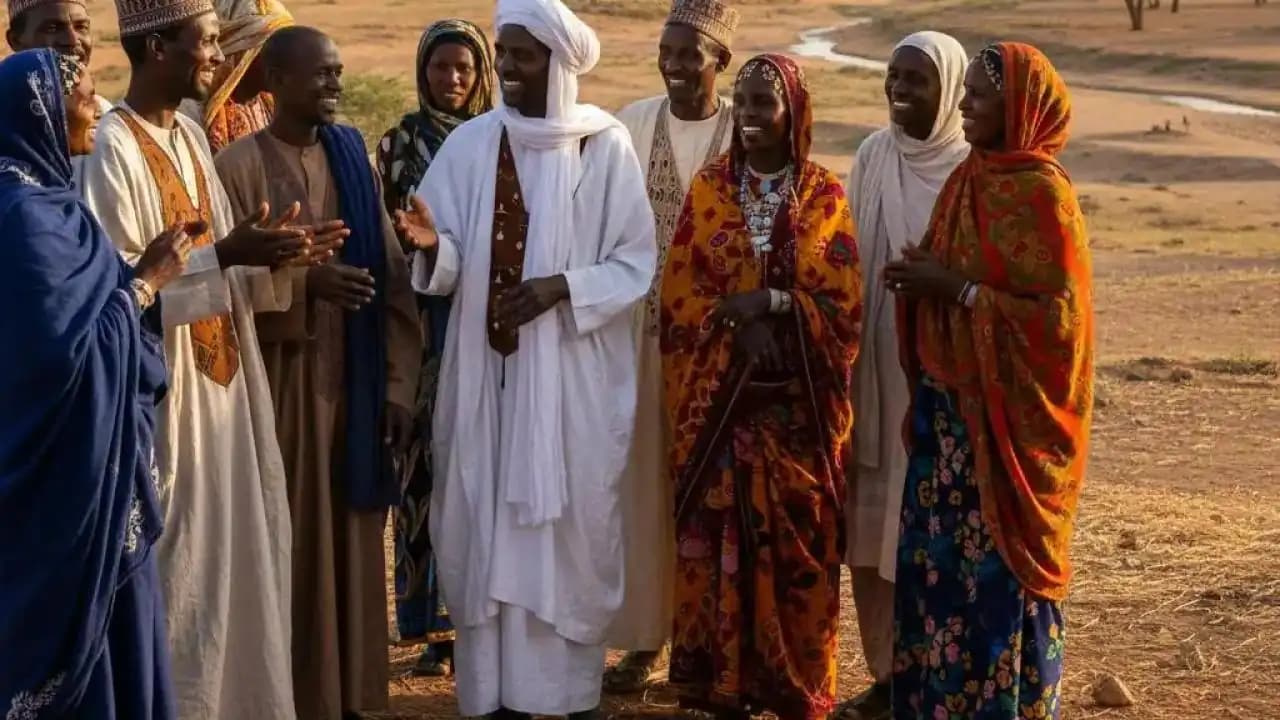
Sudan sits at the crossroads of sub-Saharan Africa, the Nile Valley, and the Arab world. This location produced overlapping identities rather than a uniform society. Sudanese Culture (1) evolved through interaction between African ethnic traditions, Islamic scholarship, pastoral economies, and localized political systems.
Instead of dissolving older traditions, modern pressures urbanization, migration, and monetizationlayered new behaviors onto older frameworks. As a result, many Sudanese communities maintain social rules that predate the modern state, even while engaging with national institutions.
This pluralism explains why Sudanese culture resists simple classification.

Social Organization in Sudanese Culture
Centralized Authority vs. Segmentary Power
One defining feature of Sudanese culture is how power is organized locally.
- Centralized systems developed among settled agricultural societies, where authority was vested in rulers supported by administrators and councils.
- Segmentary systems emerged among nomadic and semi-nomadic groups, where leadership shifted based on lineage strength, wealth, and personal influence.
- Territorial systems existed in mountainous regions, where shared land and moral codes mattered more than kinship.
These systems were not merely political. They shaped dispute resolution, land access, and social cohesion, making governance inseparable from daily life.
Family, Kinship, and Marriage Patterns
Across Sudanese culture, descent is traditionally traced through the male line. However, how kinship operates varies widely.
Marriage often served social stability rather than romance, especially in first unions. Common practices included:
- Cousin marriage to preserve lineage ties
- Polygyny as an economic and social arrangement
- Levirate and sororate marriage to maintain family obligations
Divorce, while permitted, was rarely an individual decision. Families negotiated outcomes, particularly when bridewealth was involved. These systems reinforced collective responsibility over personal preference.
Economic Life and Cultural Adaptation
Settlement Patterns and Livelihoods
Sudanese culture developed in direct response to environmental conditions.
- Nomadic communities lived in mobile camps, following seasonal water and grazing routes.
- Agricultural societies formed compact villages with shared land rights.
- Mountain communities scattered homesteads across defensible terrain.
Agriculture formed the economic backbone, supplemented by livestock, fishing, and hunting. Crops like sorghum, millet, sesame, and groundnuts were staples, while cotton emerged as a cash crop in some regions.
Property and Exchange
Land and livestock defined wealth differently across societies:
- In farming communities, land rights were communal but administered by recognized authorities.
- Among pastoralists, cattle symbolized status, political influence, and economic security.
- In some regions, iron tools once functioned as standardized exchange items before money became dominant.
These economic systems embedded cultural values directly into production and trade.
Religion as Social Regulation
Religion in Sudanese culture functions as moral infrastructure rather than abstract belief.
Islam plays a major role across much of Sudan, often blending with local ritual practices. Rainmaking, fertility rites, and shrine visitation coexist with Islamic prayer and law. Religious authority frequently overlaps with social leadership.
In other regions, indigenous belief systems emphasize:
- Oracles and divination
- Ritual sanctions for wrongdoing
- Collective responsibility enforced through spiritual consequences
Religion, therefore, regulates behavior, resolves conflict, and legitimizes authority.
Artistic Expression and Oral Tradition
Literature, Poetry, and Visual Arts
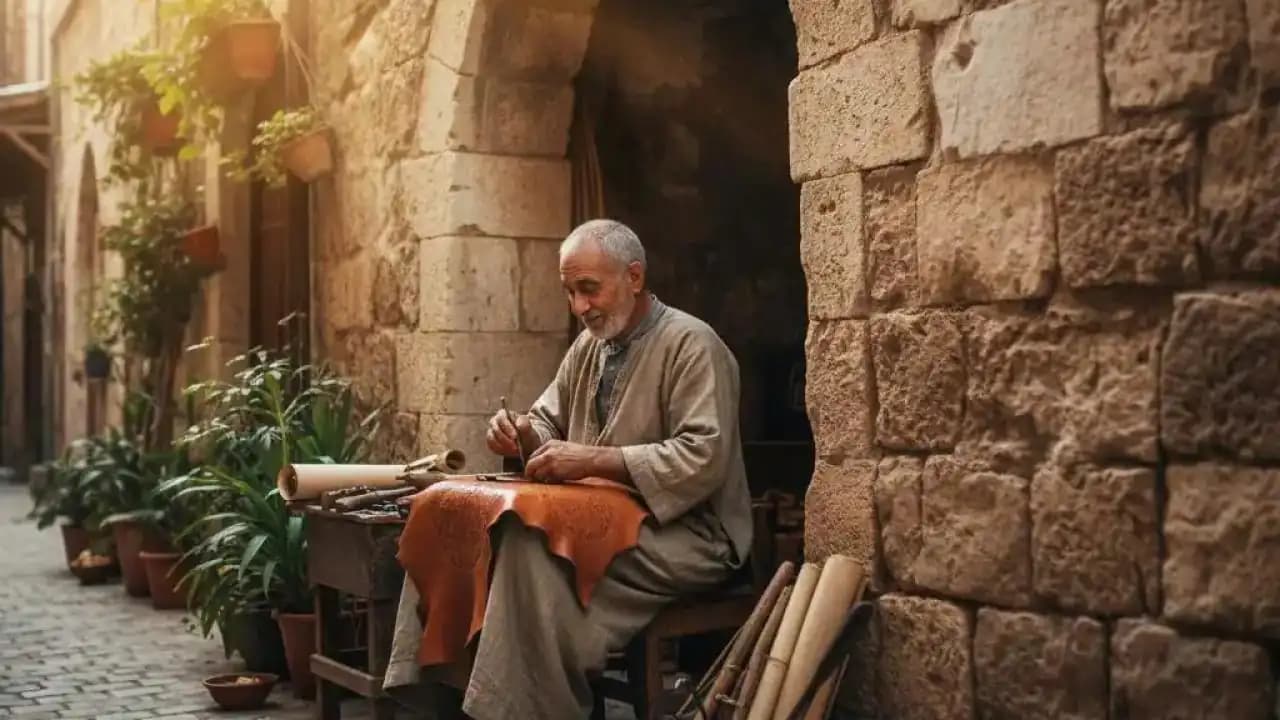
Oral tradition remains central to Sudanese culture, especially in non-literate communities. History, law, and ethics are transmitted through storytelling and poetry.
Arabic developed a rich written tradition connected to religious scholarship and biography. Modern literature gained international attention through writers like Tayeb Salih, whose novels explored cultural tension and identity.
Visual arts evolved locally but later converged into national styles, particularly through urban artists such as Ibrahim El-Salahi, whose work blends calligraphy with modern abstraction.
Music and Performance
Music permeates social life, from Qurʾanic recitation to work songs and urban compositions. In cities like Khartoum, diverse musical forms merge into evolving national styles.
Cultural Institutions and Heritage Sites
Sudan holds some of Africa’s most significant archaeological sites. The pyramids of Meroe and the sacred mountain of Gebel Barkal reflect ancient civilizations that continue to influence Sudanese identity.
Museums and theaters preserve ethnographic, historical, and artistic heritage, while festivals and sportsespecially footballreinforce national cohesion.
Sudanese Culture in a Changing World
Modern education, displacement, and digital communication are transforming Sudanese culture rapidly. Traditional authority structures face pressure, yet they remain resilient where state systems falter.
Future developments will likely include:
- Greater hybridization of rural and urban cultural norms
- Renewed interest in heritage preservation
- Cultural adaptation among displaced communities
- Increased global visibility of Sudanese art and literature
The challenge lies in protecting cultural depth while enabling social mobility.
FAQs About Sudanese Culture
What defines Sudanese culture most strongly?
Diversity. Sudanese culture is defined by multiple social systems rather than a single national identity.
Is Sudanese culture mainly Arab or African?
It is both. Sudanese culture blends African traditions with Arab and Islamic influences.
How important is family in Sudanese culture?
Family and lineage are central, shaping marriage, inheritance, and social responsibility.
Does traditional culture still matter in modern Sudan?
Yes. Traditional systems continue to regulate land, conflict, and social order.
Why is oral tradition important in Sudanese culture?
Oral tradition preserves history, ethics, and law where written systems were limited.