


The Pulse of a Nation in Crisis
Sudanese Public opinion is signaling a powerful shift. Recent polls indicate that more than 96% of Sudanese surveyed outright reject a proposed “Founding Government”, reflecting deep distrust in political elites and intense dissatisfaction with the country’s future direction. This sentiment, expressed across regions and demographics, reveals complex layers of disillusionment not just with the war itself but with governance, foreign involvement, corruption, and the overall social contract. As Sudan’s conflict drags into its third year, these social trends matter not only for domestic Politics but for peace negotiations, regional stability, and how the Arab world views its own role in Sudan’s future.
What the Data Shows: Polls Revealing Social Attitudes
A NearTotal Rejection of Political Proposals
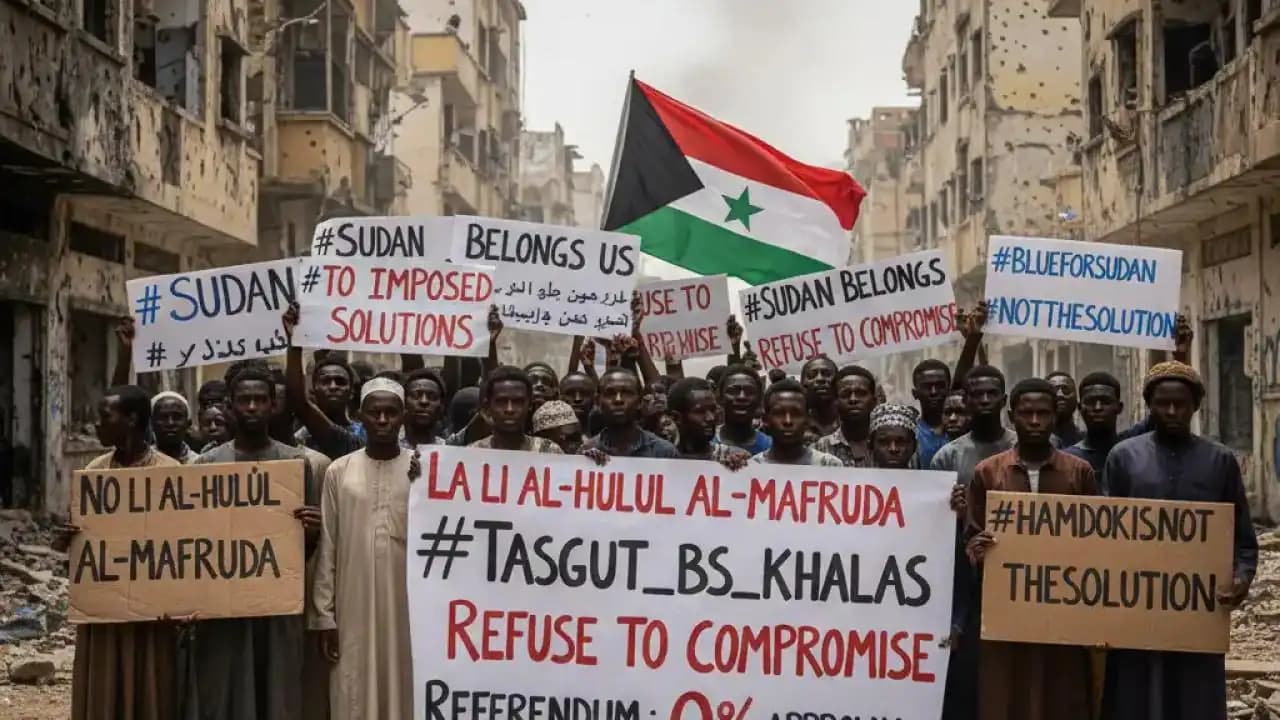
A major poll involving 66,490 respondents one of the largest Public Opinion surveys conducted in Sudan recently shows a staggering 96.3% rejection rate for the idea of announcing a socalled “Founding Government” led by Rapid Support Forces leadership. Only 2.3% expressed support. This overwhelming opposition captures profound skepticism about powersharing arrangements that fail to address civilian needs and war fatigue.
Moreover, when asked how progovernment forces might react, 89.5% predicted outright rejection and confrontation, while only a small fraction foresaw negotiation.
Growing Fears Over Corruption and Governance
In another extensive opinion poll with over 68,000 participants, 87.2% agreed that corruption rumors increased significantly since the war began, while more than 64% strongly felt that the conflict had aggravated corruption within public institutions. Nearly 49% described corruption as “very high,” highlighting deep anxieties about governance breakdown and the erosion of public trust.
PreWar Attitudes Provide Context
Preconflict polling by Afrobarometer showed that economic management (62%) and health care (38%) were top public priorities, and half of citizens were unsure that a transitional government could deliver civilian rule. Large majorities doubted military leadership would tackle corruption, improve the economy, or restore peace. Public support for elections was strong (77%), yet many remained skeptical about institutional effectiveness.
Together, these datasets suggest that deep socioeconomic concerns in Sudan preceded the war and have only intensified turning anger into firm political opinion.
Social Media Trends: Voice Without a Voice Box
Sentiment Under Strain
On platforms like Twitter (X), Facebook, and grassroots forums such as Reddit’s r/Sudan, themes have shifted from early optimism to frustration and disillusionment:
- Many Sudanese express despair about leadership “No one is right, all sides have failed us,” a common comment on Sudanrelated subthreads.
- Users debate who to trust and believe, indicating a pervasive sense of betrayal and political fatigue that crosses tribal and regional identities.
- Discussions around war narratives show confusion, anger, and skepticism about external media coverage and foreign intervention, reflecting an intense desire to control Sudan’s narrative.
Though not representative like national polls, these conversations mirror real psychological strain: citizens venting frustration and struggling to find credible voices.
Expert Interpretation: Why This Mood Matters
A Distrustful Citizenry
Experts link these trends to several deeper dynamics:
- War fatigue: Years of conflict have worn down optimism and intensified disillusionment with political solutions that seem repeatedly imposed from outside rather than emerging from Sudanese consensus.
- Economic hardship: Widespread inflation, scarcity of essential goods, and loss of livelihoods fuel frustration that goes beyond ideological divides into everyday survival concerns.
- Corruption perceptions: High public perceptions of corruption undermine confidence in public institutions and render political proposals even peace plans suspicious or unacceptable to many.
- Narrative warfare: Competing information sources from traditional media to social networks leave many Sudanese unsure whom to trust, contributing to polarization and anxiety.
This combination creates a social psychology where resignation and rejection are dominant reactions a dangerous mix for future political stability.
Voices from the Public: Anger, Skepticism, and Hope
Direct quotes from social platforms, while not scientific, capture everyday sentiment:
- “We are tired of promises. Our lives are destroyed, and no solution listens to our voice.”
- “The war is worst than any political debate. We want peace, not headlines.”
- “Corruption eats what the bullets didn’t.”
These reflect a common theme: people are less interested in highlevel political maneuvers than in tangible improvements peace, Security, economic stability, and honest governance.
What It Means for Politics and Society
Pressure on Political Elites
Public rejection of proposed government structures challenges both domestic and foreign political actors. It signals that top-down solutions without grassroots to buy in will struggle to gain legitimacy.
Peace Negotiations Under Public Scrutiny
Negotiators now face the paradox of needing public support to build sustainable peace but being met with widespread distrust. This could constrain future agreements unless civil society and everyday citizens are more deeply involved in shaping outcomes.
Economic Expectations and Social Welfare
Economic grievances remain at the core of public frustration. Any political solution that fails to address inflation, unemployment, and basic services might find it difficult to break Through public skepticism.
Arab World Sentiment and Regional Significance
Sudanese public opinion aligns with broader Arab world trends where citizens increasingly express frustration over governance, economic insecurity, and distrust of institutions. The Arab Opinion Index 2025 the largest regional poll is expected to shed new light on how citizens across the region perceive issues like political participation, security, and leadership credibility.
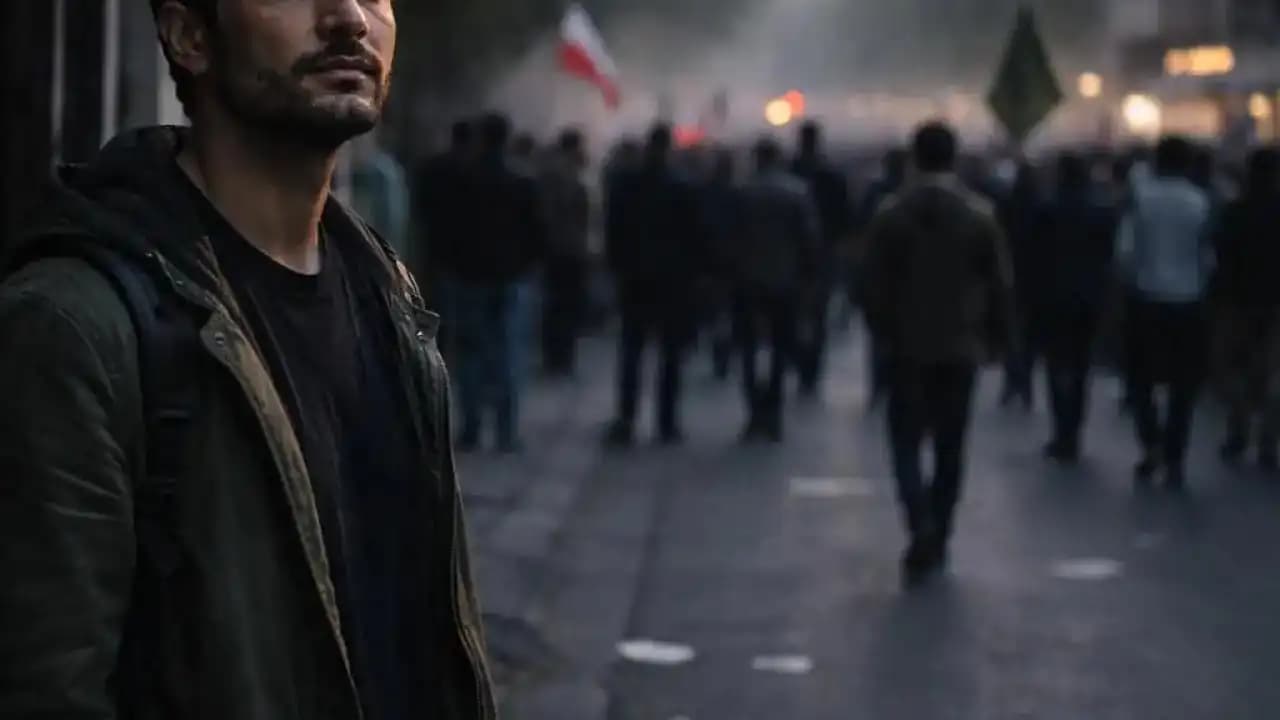
In neighboring countries and among Sudanese diaspora in the Arab world, public demonstrations and social movements calling for peace reflect shared humanitarian concerns and solidarity. Protests in European cities with significant Sudanese populations, for instance, emphasize peace, an end to violence, and unhindered humanitarian aid.
Media Influence on Public Sentiment
Sudan’s media environment during the war has become a battlefield itself. Traditional journalism has been severely constrained by insecurity, infrastructure collapse, and competing narratives, while social media platforms have become the main space where public discourse unfolds.
Public trust in traditional outlets has eroded in part due to limited access and perceived bias, pushing many Sudanese to seek information from social networks even as those platforms are filled with misinformation and contradictory stories.
Analysis: Roots of the Social Shift
War and Its Multidimensional Impact
The emotional and psychological toll of sustained conflict cannot be overstated. Rising casualties, destruction of infrastructure, and displacement have collectively shaped a weary public outlook.
Economic Strain as a Catalyst
Economic challenges rising prices, job losses, and diminishing public services heighten frustration not only with security concerns but with political leadership at all levels.
Corruption and Distrust
Public perceptions of widespread corruption amplify cynicism about political solutions, making citizens doubt that peace or reconstruction plans will benefit ordinary people.
Conclusion: A Public That Wants Change, but on Its Terms
Sudanese public opinion today is not passive; it is vocal, critical, and increasingly united in its rejection of political gimmicks that do not align with people's urgent needs. This groundswell of sentiment both in polls and in social media underscores the importance of including grassroots voices in shaping Sudan’s future.
For policymakers, civil society advocates, and international mediators, the lesson is clear: meaningful, sustainable change in Sudan must emerge from understanding and responding to the lived experiences of ordinary Sudanese people. Their frustration, hopes, fears, and aspirations should not be sidelined in favor of closed-door diplomacy.
As Sudan grapples with war, economic collapse, and social fragmentation, public opinion trends suggest that the people’s voice is evolving toward asserting agency over their destiny and demanding accountability from those who claim to lead.
FAQ
Q1. What do most Sudanese think about the proposed “Founding Government”?
A1. A vast majority over 96% reject the proposal outright, indicating deep distrust in political solutions perceived as topdown or illegitimate.
Q2. How do Sudanese view corruption during the war?
A2. Most feel corruption has increased significantly since the conflict began, with nearly half describing it as “very high” in public institutions.
Q3. What are Sudanese public priorities?
A3. Prewar polling showed economic stability, health, and education as top priorities, with many skeptical that transitional leadership could effectively address these issues.
Q4. How does social media reflect public sentiment?
A4. Online discussions show widespread frustration, skepticism about all political factions, and a desire for peace and effective governance beyond rhetoric.
Related article: Stories Beneath the Ashes: How Ordinary Sudanese Endure Everyday Crises