
The humanitarian Crisis in Sudan is no longer a distant tragedy confined to headlines or emergency briefings. It has evolved into one of the most complex and consequential crises of our time one that reflects the collision of armed conflict, economic collapse, agricultural disruption, and weakening Global response systems. When tens of millions of people struggle to secure daily food and basic services in a single country, the question shifts from what is happening to why this matters now and what comes next.
This article is written for search driven readers seeking understanding, context, and guidance. Rather than recounting events, it explains the deeper forces shaping Sudan’s food emergency, the implications for the region and the world, and the realistic paths forward.
To be fully explained, Sudan’s food emergency must be understood through its root causes conflict, economic collapse, and agricultural disruption rather than viewed as a short-term shock. This is why the world must look beyond emergency headlines and focus on the systems that have failed millions.
How Did Sudan’s Humanitarian Crisis Reach This Point?
Prolonged Conflict with No Clear Resolution
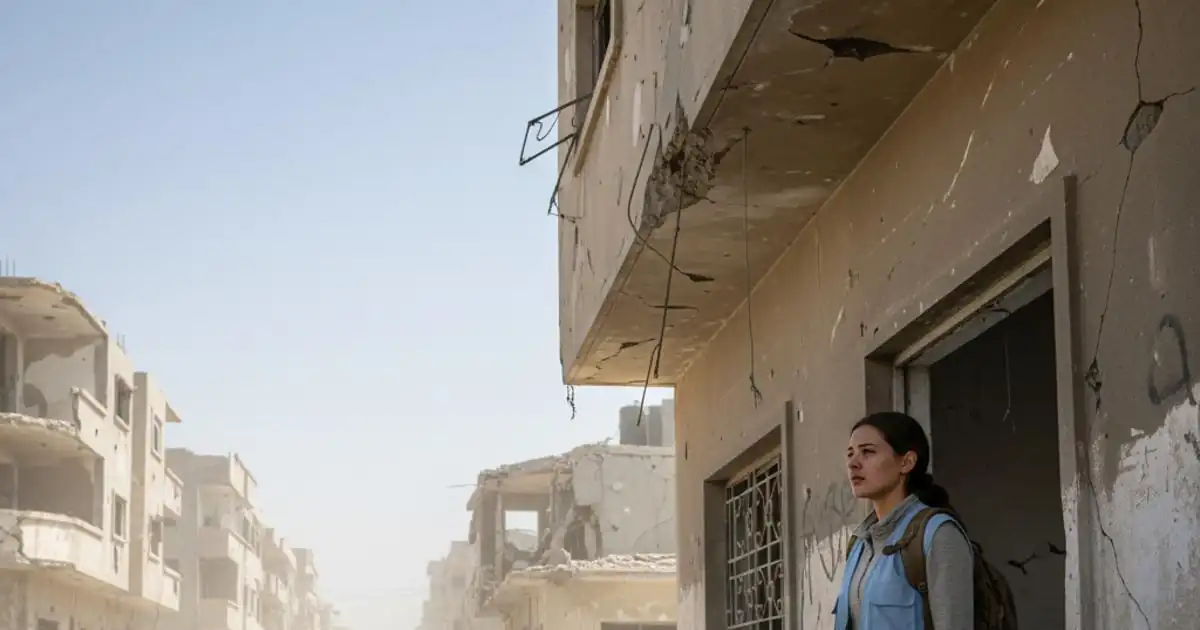
Armed clashes within urban centers and surrounding regions have paralyzed daily life. Markets no longer function reliably, Transport routes are unsafe, and essential infrastructure including hospitals, water systems, and electricity grids has been severely damaged. Even areas not directly affected by fighting feel the consequences through shortages and price shocks.
An Economy Already on the Brink
Sudan entered this phase of conflict with an economy under extreme stress. High inflation, currency depreciation, and widespread unemployment had already eroded household resilience. War transformed these vulnerabilities into a full scale livelihood Crisis, stripping families of income and savings while prices for basic goods soared.
Agricultural Disruption on a National Scale
Agriculture has long been the backbone of Sudan’s food system. Conflict driven displacement, fuel shortages, lack of seeds and fertilizers, and damaged irrigation systems have prevented farmers from planting and harvesting at scale. Each missed agricultural season widens the food gap and deepens dependence on aid.
Why Is Food Insecurity Escalating So Rapidly?
The current emergency is not simply about food scarcity. It is the result of interconnected failures:
- Broken supply chains: Insecure roads and affected ports restrict imports and internal distribution.
- Collapsed purchasing power: Food may exist in markets, but millions cannot afford it.
- Limited humanitarian access: Security constraints and administrative barriers delay or block aid delivery.
- Uneven impact across regions: Remote and marginalized communities face the most severe deprivation.
Together, these factors make hunger in Sudan a structural problem rather than a short term shortage.
Who Is Most Affected by the Crisis?
Children and Women
Malnutrition rates among children are rising to dangerous levels, threatening lifelong health and cognitive development. Pregnant and breastfeeding women face heightened risks due to limited access to nutritious food and medical care.
Internally Displaced Populations
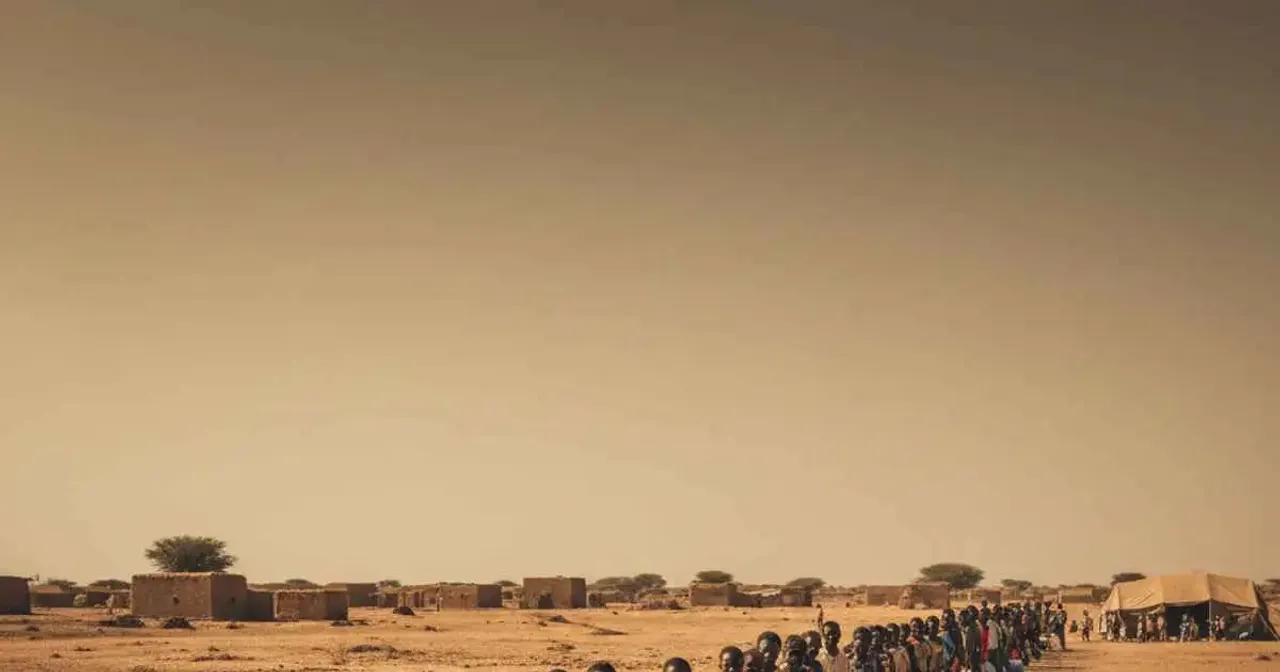
Millions have been forced from their homes, often multiple times. In overcrowded camps or host communities already struggling with poverty, competition for food, water, and jobs intensifies.
Rural Farming Communities
Ironically, many of those who traditionally produce food are now among the hungriest, having lost land, tools, or access to markets.
Why the Crisis in Sudan Matters Beyond Its Borders
Regional Stability at Risk
Large scale food insecurity fuels displacement across borders, placing additional strain on neighboring countries that are themselves economically fragile.
A Stress Test for the Global Humanitarian System
The humanitarian crisis in Sudan exposes the limitations of international response mechanisms when conflicts are prolonged, access is restricted, and funding falls short of needs.
Long Term Global Consequences
Chronic hunger undermines education, health, and social cohesion. Even if fighting subsides, recovery becomes far more difficult when an entire generation is affected by malnutrition.
What Is Holding Back the Humanitarian Response?
Despite the scale of need, relief efforts face persistent obstacles:
- Security risks for aid workers and convoys
- Severe funding gaps relative to the magnitude of the crisis
- Political fragmentation that complicates coordination
- Global fatigue as multiple crises compete for attention and resources
These challenges mean that emergency food deliveries alone cannot stabilize the situation.
Are There Opportunities to Change the Trajectory?
Even amid severe hardship, certain strategies offer realistic potential to reduce suffering:
- Negotiated humanitarian corridors to ensure consistent, safe access.
- Support for local agriculture through rapid provision of seeds, tools, and fuel.
- Targeted cash assistance that restores purchasing power and supports local markets.
- Community led solutions for managing food, water, and basic health services.
Such approaches do not replace emergency aid but reduce long term dependency on it.
What the Near Future Could Look Like
Three broad scenarios are possible:
- Continued deterioration: Ongoing conflict and declining aid lead to widespread famine conditions.
- Fragile containment: Limited humanitarian access prevents the worst outcomes but offers no durable solution.
- Gradual recovery: Political de escalation enables slow rebuilding of food systems though this would take years.
Without meaningful political progress, the most likely outcome remains unstable containment.
How Should Professionals and the Public Respond?
- Researchers and students: Focus on food security indicators and economic trends, not just conflict reports.
- Humanitarian practitioners: Invest in flexible, locally grounded interventions.
- General audiences: Recognize that sustained engagement matters as much as emergency donations.
Understanding the crisis is a prerequisite for any effective response.
Frequently Asked Questions (FAQ)
1) Is Sudan’s food crisis temporary or structural?
It is structural, rooted in conflict, economic collapse, and agricultural disruption.
2) Why can’t food aid alone solve the problem?
Because hunger is driven by income loss, market failure, and production gaps not only supply shortages.
3) What is the most serious long term risk?
Permanent damage to human capital through widespread malnutrition.
4) Can local farming reduce hunger quickly?
Yes, if farmers receive timely inputs and secure access to land and markets.
5) What indicators should be watched closely?
Food prices, malnutrition rates, displacement patterns, and humanitarian access levels.
Concluding Analysis
The humanitarian crisis in Sudan is not defined by a single statistic or emergency appeal. It represents the cumulative outcome of prolonged instability and systemic fragility. Addressing it requires more than short term relief it demands sustained attention to food systems, livelihoods, and social protection alongside political solutions. The choices made today will shape Sudan’s recovery prospects for decades.