

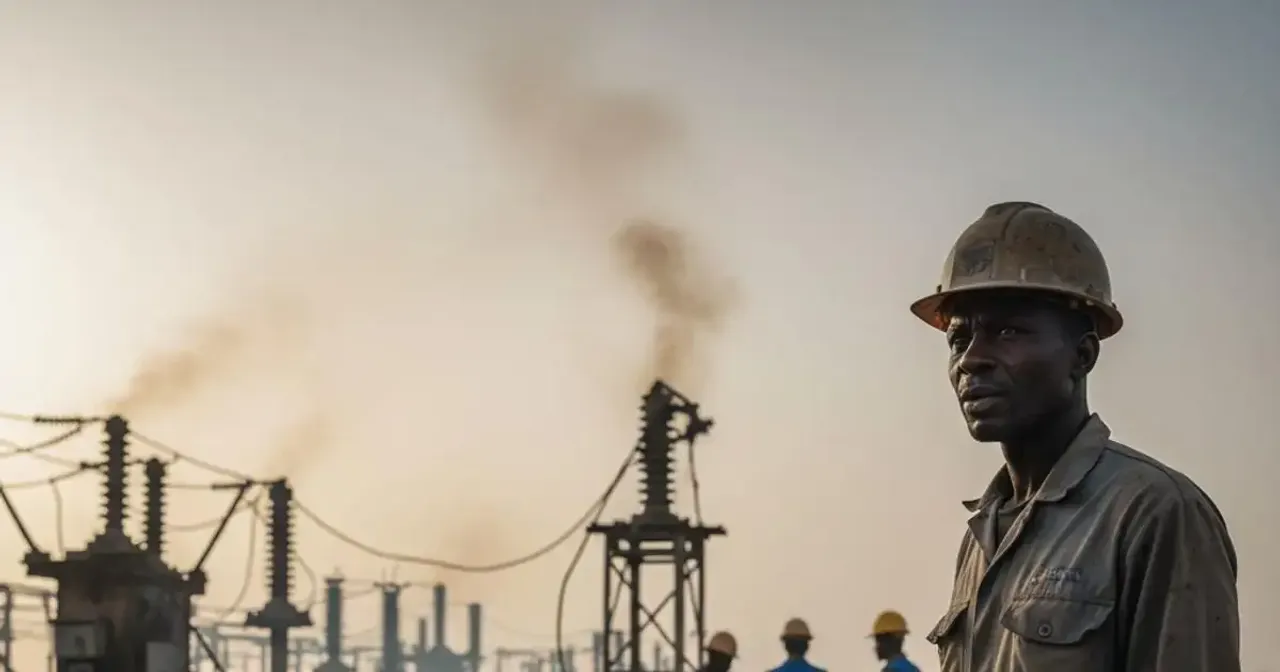
The escalation of RSF drone attacks Sudan marks a decisive shift in how the conflict is being fought and who ultimately bears the cost. Drone warfare is no longer limited to front lines or military bases. It is increasingly aimed at infrastructure that sustains civilian life electricity, transport corridors, and regional service hubs. For search-driven readers trying to understand what this means beyond daily updates, the pattern reveals deeper strategic, economic, and humanitarian consequences.
Sudan’s conflict has evolved from ground battles into a contest over systems that keep cities functioning. The use of unmanned aerial systems introduces new risks for civilians, regional Stability, and long-term recovery. Understanding why power plants, airports, and logistics sites are targeted explains how the conflict is Reshaping governance and survival itself.
Why drones are changing the conflict’s logic
Drones offer armed groups a low-cost, high-impact capability. They bypass traditional defenses, extend operational reach, and create psychological pressure far beyond the physical damage caused. In the context of RSF drone attacks Sudan, the objective appears less about territorial control and more about disruption.
Infrastructure targets serve three purposes:
- Economic pressure by threatening energy supply and transport
- Psychological impact through unpredictability and fear
- Operational strain on air defenses and emergency services
This approach reflects a modern conflict strategy where weakening daily life becomes a form of leverage.
What ultimately changes the nature of the conflict is not the scale of destruction alone, but the way repeated infrastructure strikes alter governance capacity, civilian behavior, and expectations of security over time.
Power infrastructure as a strategic target
Electricity generation is central to hospitals, water systems, communications, and food storage. Even when attacks do not cause immediate blackouts, they force shutdowns, inspections, and emergency reallocations.
In Sudan’s interior regions, power facilities often operate as shared backbones for multiple cities. Targeting them signals intent to undermine resilience rather than seize ground. Within RSF drone attacks Sudan, power sites symbolize state presence and functional governance, making them attractive targets.
Airports and transport nodes under threat
Regional Airports and nearby logistics zones play dual roles. They support civilian movement and humanitarian access while also serving security and supply functions. Disrupting these hubs limits mobility, delays aid delivery, and isolates communities.
The strategic calculation is simple: restrict movement, reduce visibility, and complicate coordination. Over time, repeated disruption erodes confidence in civilian safety and international engagement.
Civilian exposure and urban risk
Drone strikes blur distinctions between military and civilian spaces. Unlike conventional warfare, drones can reach deep into populated areas with minimal warning. This creates:
- Increased risk near hospitals and utilities
- Strain on emergency response teams
- Long-term psychological stress among residents
As RSF drone attacks Sudan continue, urban cEnters face rising vulnerability even without direct combat presence.
Regional implications beyond Sudan
Sudan sits at a crossroads linking East Africa, the Sahel, and the Red Sea corridor. Instability in its infrastructure affects trade routes, energy security, and humanitarian corridors across borders.
Drone proliferation also raises concerns for neighboring states, as tactics tested in Sudan may spread to other fragile regions. The normalization of infrastructure targeting could redefine conflict norms across Africa.
Future risks and likely developments
Several trajectories are emerging:
- Expanded drone use against utilities and logistics
- Greater air defense deployment around civilian assets
- Increased humanitarian access challenges
Opportunities exist for international mediation and technical safeguards, but without political progress, infrastructure warfare may intensify.
FAQs
What are RSF drone attacks Sudan targeting most?
Primarily power facilities, transport hubs, and strategic urban sites.
Why are power plants important targets?
They support hospitals, water supply, and communications essential to civilian life.
Do drone attacks change civilian risk levels?
Yes. They increase exposure in urban areas far from active front lines.
Could this tactic spread regionally?
Yes. Drone warfare is increasingly accessible and adaptable.