

Why the Russia Ukraine war feels different now
After years of sustained conflict, the Russia Ukraine war has entered a phase defined less by territorial movement and more by strategic signaling, civilian pressure, and diplomatic calculation. While front lines continue to shift incrementally, the deeper story lies in how military actions, infrastructure Targeting, and political messaging increasingly overlap.
This stage of the war is shaped by exhaustion, adaptation, and uncertainty. Both sides have learned how to absorb losses while inflicting pressure in ways that extend beyond the battlefield. Energy systems, air defenses, and civilian morale have become as central to Strategy as tanks or trenches.
Civilian infrastructure as a pressure point
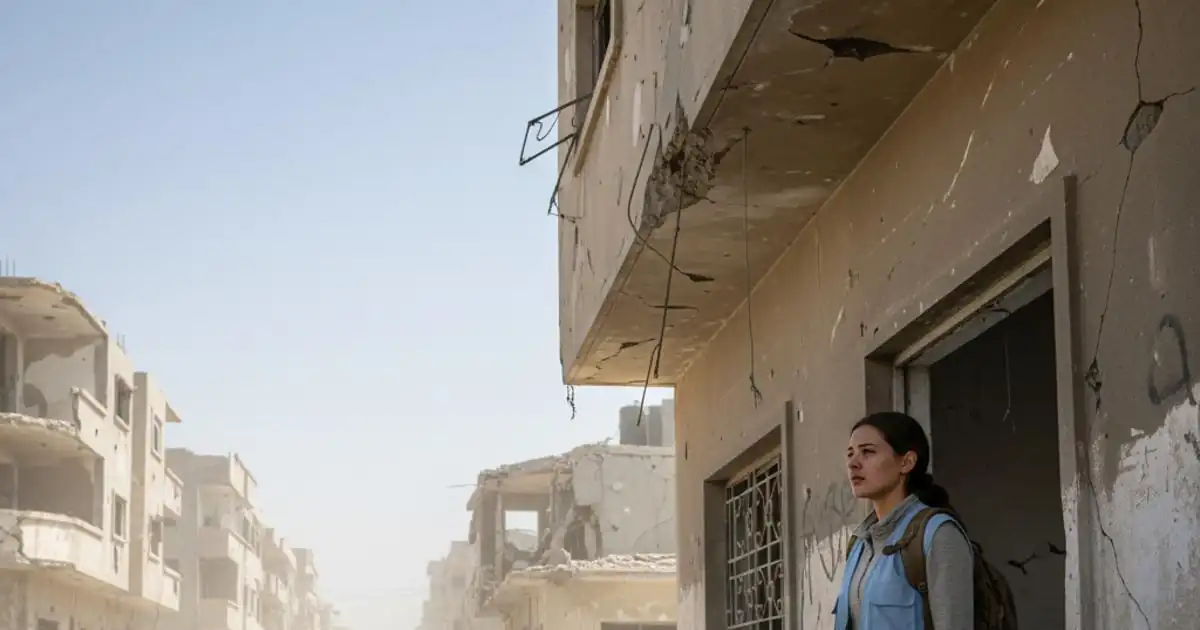
Recent escalation patterns highlight a persistent focus on energy networks, transport nodes, and population centers. These targets serve multiple purposes. They strain national resilience, test air defense systems, and signal endurance to domestic and international audiences.
In the Russia Ukraine war, attacks on infrastructure are not simply tactical operations. They are part of a broader effort to influence political decision-making by raising economic and Humanitarian costs. Power outages during winter, restricted mobility, and disrupted services shape public perception in ways military gains alone cannot.
Drone warfare and the shrinking battlefield
Unmanned aerial systems have redefined reach and risk. Drones now strike far from traditional front lines, collapsing the distinction between rear areas and active combat zones. Cities once considered relatively safe now experience periodic disruption, forcing both governments to invest heavily in air defense and electronic countermeasures.
This evolution favors adaptability over sheer force. Smaller, lower-cost systems can impose disproportionate pressure, making escalation harder to control and easier to deny. In this environment, attribution disputes and competing narratives become routine.
Competing claims and information warfare
Each major incident is followed by conflicting accounts, denials, and counter-accusations. This information Struggle is not a side effect of the Russia Ukraine war; it is a core feature. Controlling the narrative shapes international support, legal positioning, and domestic legitimacy.
Claims about targeting decisions, civilian harm, or high-profile locations serve to frame the conflict morally as well as militarily. Even unverified allegations can influence diplomatic conversations and public opinion far beyond the immediate zone of impact.
Air defense, deterrence, and strategic messaging
The growing emphasis on air defense systems reflects a recognition that protection matters as much as offense. Deployments are not only defensive tools but also political statements, signaling long-term commitment from external partners.
In the Russia Ukraine war, deterrence increasingly depends on the perception of resilience. The ability to absorb attacks, restore services, and continue daily life sends a message that pressure tactics will not easily produce concessions.
Diplomacy under battlefield pressure
Despite ongoing fighting, diplomatic engagement has not disappeared. It has become more cautious, more conditional, and more fragmented. Negotiations now revolve around humanitarian corridors, prisoner exchanges, and security guarantees rather than comprehensive settlements.
Leaders face a narrow path. Any agreement perceived as weak risks prolonging conflict rather than ending it. At the same time, prolonged warfare deepens economic strain and societal fatigue. This tension defines current diplomatic efforts.
Why peace remains elusive
Several structural factors continue to block a resolution:
- Deep mistrust after years of conflict
- Competing security visions for the region
- Domestic political constraints on compromise
- Uncertainty over enforcement mechanisms
These elements ensure that even advanced talks remain fragile. In the Russia Ukraine war, timing matters as much as terms, and both sides remain wary of locking in unfavorable conditions.
Broader regional and global consequences
The war’s impact extends far beyond Eastern Europe. Energy markets, defense planning, and alliance structures have all adjusted to a prolonged conflict scenario. Governments worldwide now treat resilience, supply security, and military readiness as interconnected priorities.
For many states, the conflict serves as a case study in modern warfare, demonstrating how conventional fighting, cyber operations, and economic pressure intersect.
What the next phase may look like
Looking ahead, the conflict is likely to remain intense but uneven. Periods of escalation may alternate with tactical pauses. Technological adaptation will continue, while diplomatic channels remain active but constrained.
The Russia Ukraine war is no longer defined by rapid advances. It is defined by endurance, signaling, and the slow recalibration of Global security assumptions.
FAQs
Why does the Russia Ukraine war continue without resolution?
Because strategic mistrust, security demands, and political constraints prevent durable compromise.
How has drone warfare changed the conflict?
It expanded the battlefield, reduced costs of strikes, and increased pressure on civilian areas.
Are peace talks still realistic?
They remain possible but fragile, focused on limited agreements rather than final settlements.