
How targeted strikes are transforming conflict dynamics in western Sudan
The killing of a senior security figure linked to the Rapid Support Forces has highlighted a turning point in the Darfur conflict. Drone Warfare, once peripheral in Sudan’s internal battles, is now reshaping command structures, tribal alliances, and civilian safety across the region. For search-driven readers trying to understand what this shift means, the implications go far beyond a single strike.
Darfur’s conflict has always been complex, driven by overlapping political, tribal, and economic pressures. The growing use of drones adds a new layer, accelerating change in ways that affect armed groups and ordinary people alike.
Why drone warfare matters in Darfur’s conflict landscape
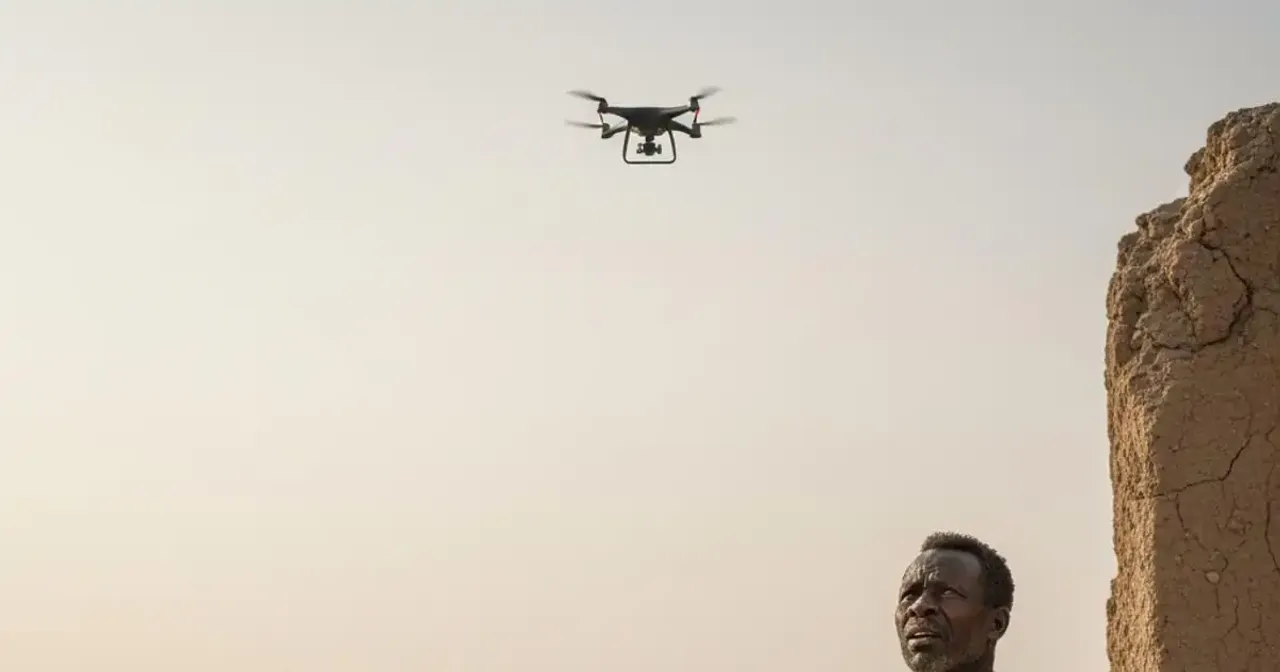
For years, fighting in Darfur relied on ground offensives, militia raids, and territorial sieges. Drones change this equation by enabling precise, remote strikes against high-value targets. This alters how power is exercised within armed groups such as the Rapid Support Forces, reducing reliance on large troop movements while increasing internal vulnerability.
Leadership figures once insulated by distance or tribal protection now face constant exposure. That reality Reshapes decision-making, trust, and loyalty inside armed factions operating across Darfur.
The strategic impact on RSF command stability
Targeted drone strikes introduce uncertainty into RSF’s internal hierarchy. Senior advisors and coordinators play critical roles in logistics, recruitment, and tribal mediation. Removing such figures disrupts communication channels and weakens cohesion at a time when the RSF depends heavily on decentralized command.
This pressure forces commanders to prioritize security over coordination, slowing responses and increasing fragmentation. Over time, that fragmentation can erode operational effectiveness, even without major territorial losses.
Tribal dynamics under new strain
Darfur’s conflicts cannot be separated from tribal politics. Armed groups often rely on local alliances for recruitment and legitimacy. Drone strikes that eliminate influential intermediaries risk deepening internal divisions, especially where accusations of favoritism or exploitation already exist.
When youth mobilization, financial incentives, and battlefield losses intersect, communities may reassess their relationship with armed actors. This reassessment can lead to defections, local resistance, or renewed inter-tribal tensions.
Civilian safety in an age of remote warfare
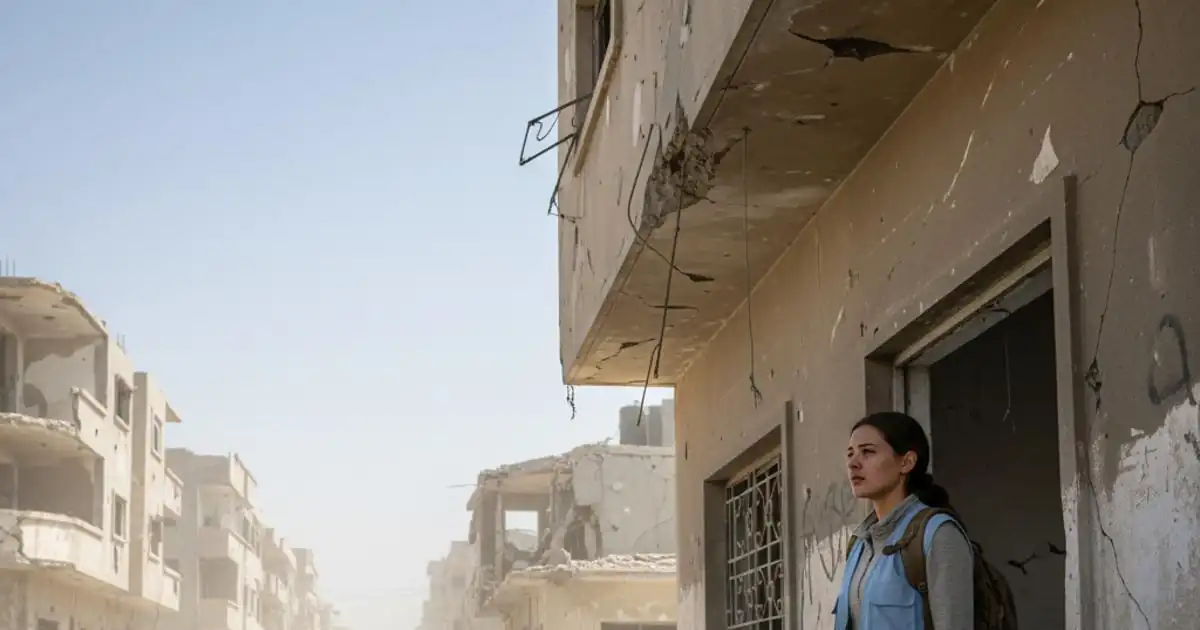
While drones are often described as precise, their broader impact on civilians is complex. Increased aerial surveillance and strikes raise fear levels, disrupt daily movement, and can trigger retaliatory violence on the ground. In areas near Zalingei, civilians already face displacement, limited services, and insecurity.
Drone warfare can worsen these conditions by:
- Increasing mistrust between communities and armed groups
- Encouraging preemptive displacement from perceived target zones
- Escalating cycles of revenge following high-profile killings
For civilians, the distinction between military and non-military spaces becomes increasingly blurred.
A shift in how wars are fought in Sudan
The expanding use of drones Signals a broader transformation in Sudan’s conflict environment. Remote strikes reduce the political cost of engagement while amplifying psychological impact. This combination makes Escalation easier and de-escalation harder.
Armed groups may invest more in counter-surveillance, secrecy, and rapid movement, further militarizing civilian areas. Meanwhile, accountability becomes more elusive, complicating Humanitarian access and conflict monitoring.
Regional and international implications
Drone warfare in Darfur does not exist in isolation. It reflects wider regional trends where low-cost aerial technology spreads faster than regulatory frameworks. For neighboring states and international mediators, this raises concerns about spillover effects, arms proliferation, and reduced leverage over local actors.
For Sudan, the long-term risk lies in normalizing a form of conflict that undermines traditional ceasefire mechanisms and weakens incentives for negotiated settlements.
What to watch next in Darfur’s evolving conflict
Several developments will indicate how deeply drone warfare reshapes the conflict:
- Changes in RSF leadership patterns, including decentralization or increased secrecy
- Shifts in tribal alignment, particularly among communities affected by targeted killings
- Civilian displacement trends near suspected drone operation zones
These signals will shape both humanitarian planning and diplomatic engagement in the months ahead.
Why this moment matters for understanding Darfur
Drone strikes are not just tactical events. They represent a structural change in how power, fear, and control operate in Darfur. For search-driven readers seeking clarity, understanding this shift is essential to grasping where the conflict may head next.
As remote warfare expands, the line between battlefield strategy and civilian life grows thinner, making the human cost harder to contain.
Frequently Asked Questions
Why is drone warfare increasing in Darfur?
Because it allows targeted strikes with fewer troops and lower immediate political costs.
How does this affect RSF leadership?
It increases internal insecurity and can weaken coordination within the command structure.
Are civilians safer with drone strikes?
Not necessarily, as fear, displacement, and retaliation risks often increase.
Could this change lead to negotiations?
It may also harden positions by reducing incentives for compromise.
What should observers monitor next?
Leadership shifts, tribal responses, and civilian movement patterns.