


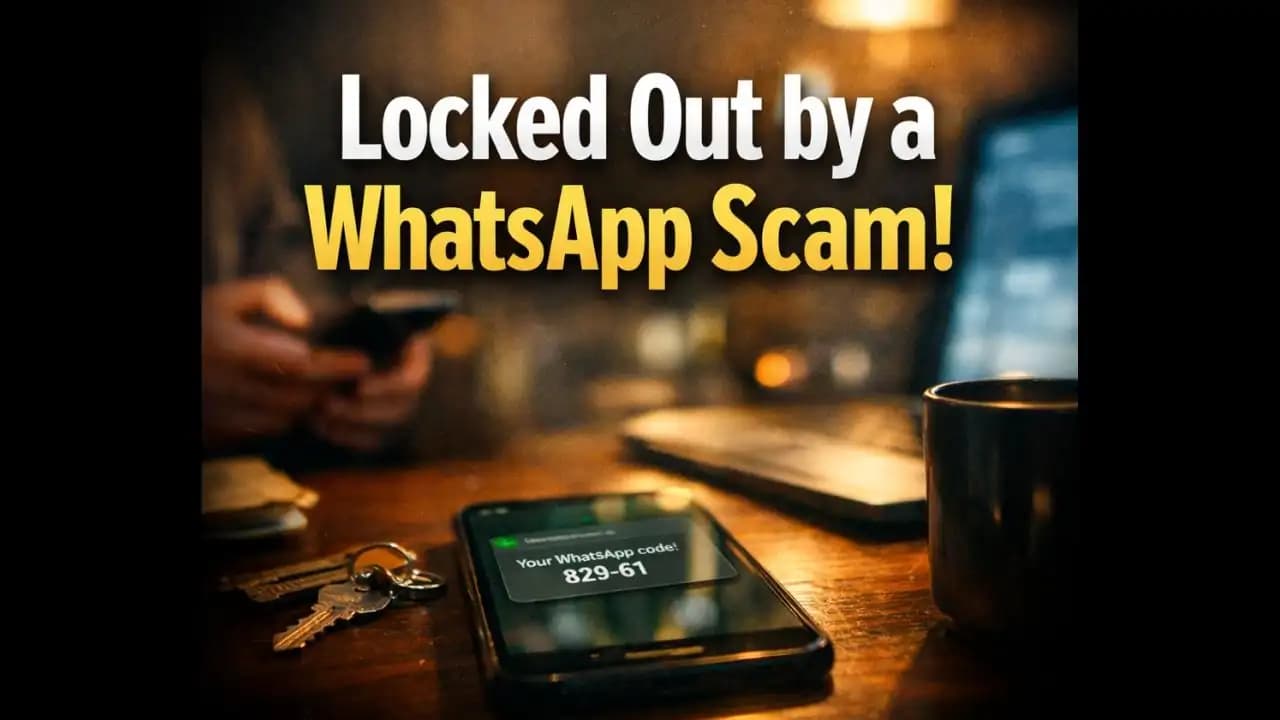
WhatsApp scam messages are catching people off guard in 2026, often starting with a simple request that looks harmless until your account is suddenly gone and someone else is using it.
It usually begins with a message that feels familiar. Maybe it’s from a known contact, or a number that looks local. The tone is casual, even friendly. But within minutes, users are being locked out of their own WhatsApp accounts and struggling to get them back.
What is this WhatsApp scam and who is being targeted?
This isn’t a completely new type of scam but it has evolved quickly over the past year. What’s changed is how convincing and fast it has become.
At its core, this WhatsApp scam is an account takeover trick. The attacker doesn’t hack your phone directly. Instead, they manipulate you into handing over something critical: your verification code.
What makes it effective is who gets targeted.
- Everyday WhatsApp users, not just businesses
- People using Android phones and budget devices
- Users who rely on WhatsApp for family communication or work groups
- Anyone who recently switched phones or reinstalled WhatsApp
In recent months (especially late 2025 into 2026), reports have increased across regions where WhatsApp is the primary messaging app. The scam spreads quickly because it often comes through already compromised accounts, making it look trustworthy.
That’s why people don’t question it at first.
How does the WhatsApp scam actually work?
The process is simple and that’s what makes it dangerous.
It usually unfolds in two steps.
1. A message that feels normal
You might receive something like:
- “Hey, I sent you a code by mistake. Can you share it?”
- “I need help logging into my account, please send the code you got”
- “This is urgent, I accidentally used your number”
Sometimes the message comes from a known contact whose account has already been taken over.
2. The verification code request
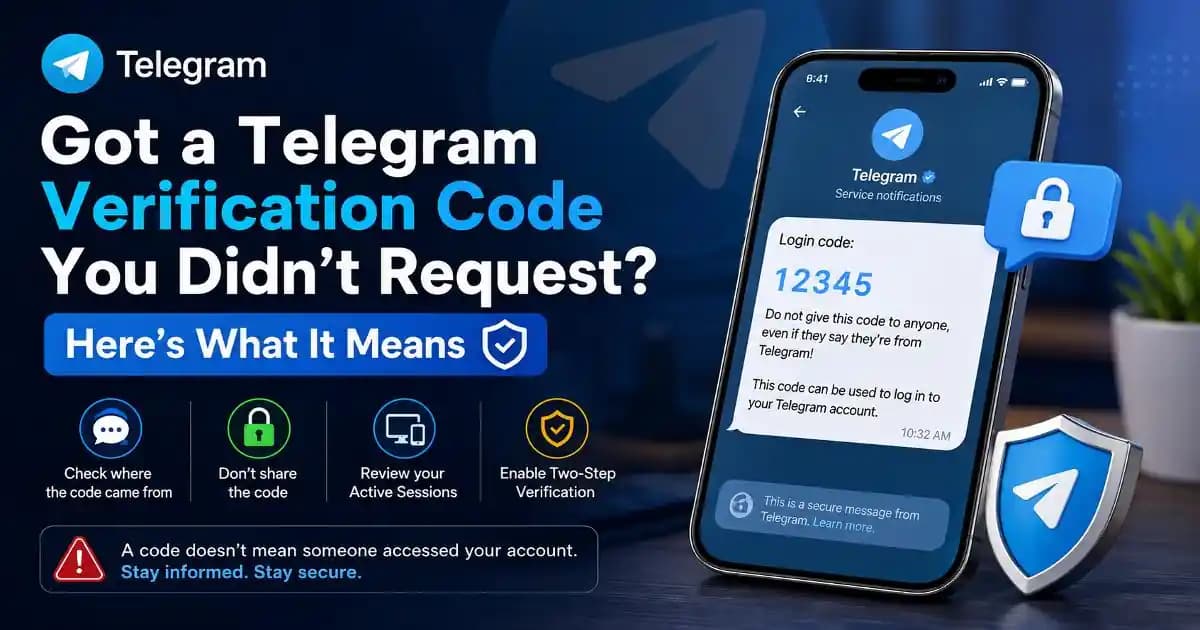
At the same time, you receive a real WhatsApp SMS verification code.
This is not fake.
The attacker is trying to log into WhatsApp using your phone number. WhatsApp sends you the code but the attacker needs you to forward it.
Once you share that code, your account is no longer yours.
They log in, log you out, and immediately start messaging your contacts.
What are the warning signs people often miss?
Many users later say, “It looked normal at the time.”
That’s the key issue these scams don’t look suspicious right away.
Here are subtle signs that often get ignored:
- The sender asks for something unusual but explains it casually
- The message creates urgency (“please quickly”, “right now”)
- The request involves a code you didn’t ask for
- The message doesn’t match how that person normally speaks
- You feel slightly confused but still respond
The biggest red flag: someone asking for a verification code.
No legitimate service or real contact needs that from you.
What happens if you fall for this WhatsApp scam?
The moment the code is shared, things move fast.
- You get logged out of your WhatsApp account
- The attacker logs in from another device
- They may set up two-step verification (locking you out further)
- Your profile picture and status may be changed
- Your contacts start receiving the same scam message
This creates a chain reaction.
People trust messages from someone they know. So the scam spreads through your contact list friends, family, even work groups.
In some cases, attackers go further:
- Asking your contacts for money
- Sending malicious links
- Pretending to be you in urgent situations
It stops being just your problem it becomes everyone’s.
Why this matters more now than before (2025–2026 trends)
Over the past year, this type of WhatsApp scam has become more refined.
A few noticeable shifts:
- Attackers now use real conversations as context
- Messages are shorter and more natural not obviously fake
- Accounts are hijacked and reused within minutes
- Scams spread faster through group chats
Another change is behavior.
People are more comfortable sharing codes or screenshots without thinking especially when multitasking or distracted.
In 2026, the scam relies less on technical tricks and more on human habits.
That’s why awareness matters more than ever.
How can you protect yourself without overthinking it?
Protection doesn’t require technical knowledge. It comes down to a few habits.
First, understand this clearly:
No one should ever ask you for your WhatsApp verification code.
If you remember just one thing, let it be that.
Other helpful precautions:
- Enable two-step verification in WhatsApp settings
- Be cautious with unexpected messages even from known contacts
- Pause before responding to urgent requests
- Avoid sharing screenshots of codes
Two-step verification adds an extra PIN. Even if someone gets your code, they still can’t access your account easily.
It’s a small step but it makes a big difference.
What should you do if your account is already taken?
If it happens, the priority is to not panic.
Start by trying to log back into WhatsApp using your number. You’ll receive a new verification code.
If the attacker hasn’t added two-step verification yet, you can regain access immediately.
If they have:
- Use the “Forgot PIN” option
- Wait for WhatsApp’s recovery window (usually up to 7 days)
At the same time:
- Inform your contacts not to trust recent messages from your account
- Avoid engaging with the attacker
WhatsApp support can help, but recovery may take time.
The sooner you act, the better your chances.
A quick reality check most users overlook
What makes this WhatsApp scam effective isn’t technology, it’s timing and trust.
It catches people when they’re busy, distracted, or trying to help someone quickly.
There’s no malware, no complicated hack.
Just a simple request at the wrong moment.
That’s why the safest habit is also the simplest:
Pause before sharing anything even if it feels urgent.
Because once that code is gone, so is your access.
Frequently Asked Questions
Why would someone ask for my WhatsApp code?
Because they are trying to log into your account using your phone number. The code is the only thing they need to complete access.
Can someone hack my WhatsApp without the code?
In most cases, no. The verification code is the key step. That’s why scammers try to trick you into sharing it.
What if the message comes from my friend?
Their account may already be compromised. Always double-check through another method before responding.
Is two-step verification really necessary?
Yes. It adds an extra layer of protection and can prevent full account takeover even if your code is shared.
How long does it take to recover a hacked WhatsApp account?
It can be immediate if you act quickly, but in some cases, it may take several days depending on whether a PIN was set.