


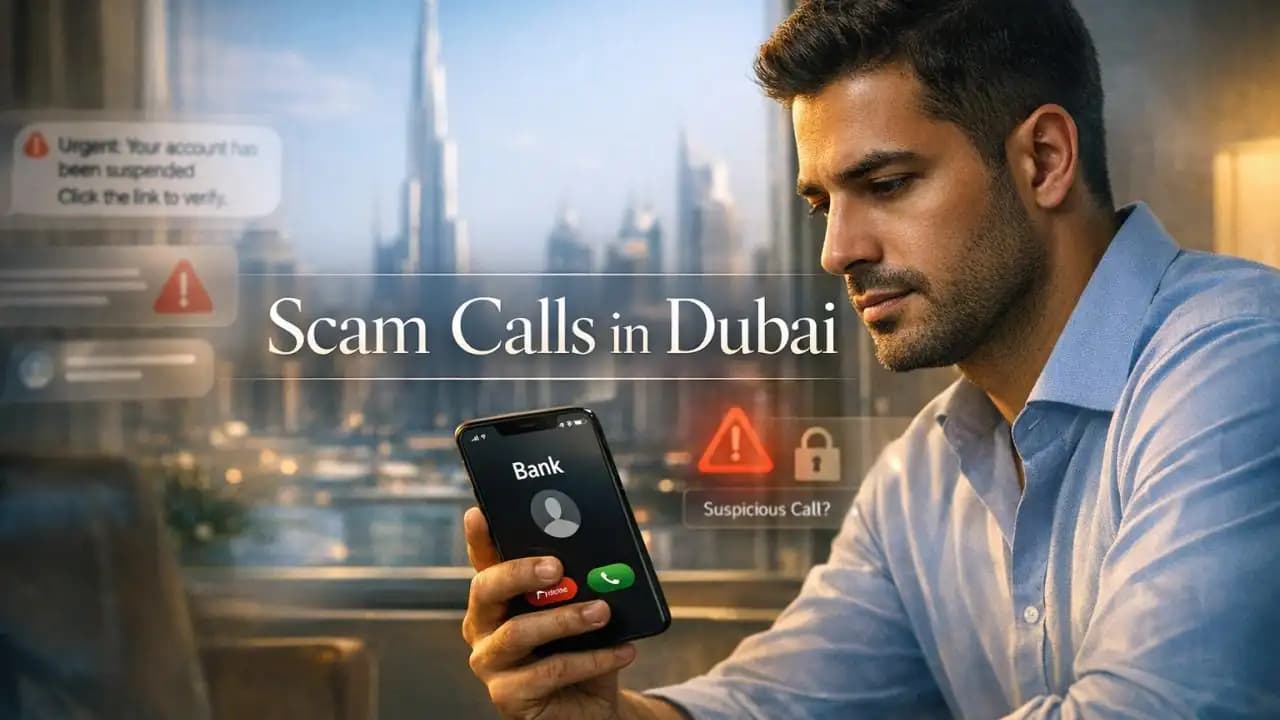
Phone scam Dubai alerts are becoming more common, and many people first notice the danger through what seems like an ordinary call or SMS. One moment, someone claims to be from the police, a bank, or a government office. The next, they are asking you to confirm your Emirates ID, bank Account details, card number, or one-time password. Dubai authorities have warned that this type of fraud is increasing, and the callers often sound calm, official, and convincing.
These scams work because they create fear and urgency. A caller may say your account is under investigation, your ID has been misused, or your bank card will be blocked unless you act Immediately. For busy residents, workers, and even long-time UAE users, that pressure can feel real in the moment.
What is happening in this phone scam
This scam usually involves fraudsters pretending to represent trusted institutions. Common identities include police officers, bank staff, central bank employees, courier services, telecom agents, or government officials. The goal is simple: get access to your personal or financial information.
People across different age groups can be targeted. New residents, elderly users, busy professionals, and anyone expecting an important call may be especially vulnerable. Scammers often cast a wide net through random calls, SMS Messages, or messaging apps, then focus on whoever responds.
Who is being targeted
Targets are not limited to one group. Residents with local bank accounts, people handling visa or ID renewals, and users who rely heavily on mobile banking are common targets. Expats may also be singled out because scammers assume they may be less familiar with local procedures.
How the scam works
The fraud often starts with a fake call or text message. The number may look local, and in some cases the message may appear polished enough to seem legitimate. The caller introduces themselves with authority, mentions a problem, and then tries to move the conversation quickly.
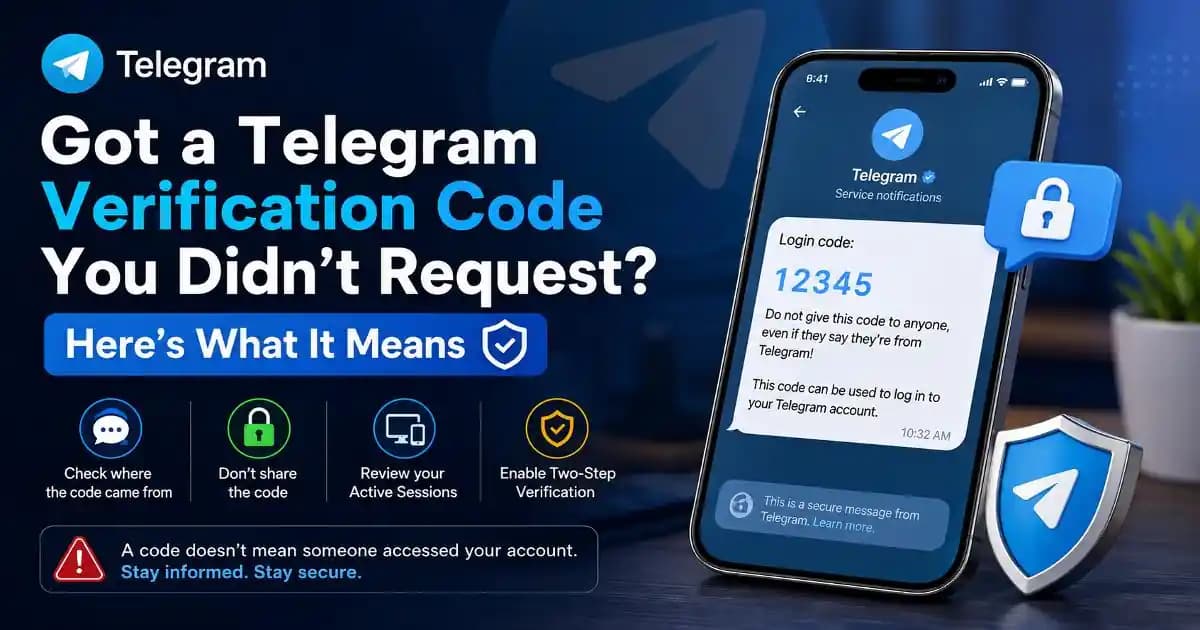
Next comes the request for sensitive data. You may be asked to share your OTP, bank card details, CVV, online banking password, Emirates ID information, or a verification code sent to your phone. Some scammers also direct victims to click a link, install an app, or transfer money to a so-called safe account.
Fake calls or SMS
Scammers may claim there is suspicious activity on your account, an unpaid fine, a legal issue, or a compliance check. The message is designed to make you react before you verify anything.
Asking for sensitive data
No legitimate bank, police department, or government office should ask for confidential codes or full banking credentials over a phone call. If a caller wants that information, it is a major warning sign.
Common tactics used by scammers
Urgency
The caller may say you have only a few minutes to respond or your account will be frozen. This is meant to stop you from thinking clearly.
Threats
Some fraudsters mention police cases, fines, account suspension, deportation issues, or legal consequences. The language may sound formal, but the pressure is the real tool.
Fake authority
By using titles like officer, investigator, compliance agent, or bank security team, scammers try to gain instant trust. They may also repeat partial personal details gathered elsewhere to sound more credible.
Warning signs you should not ignore
Several red flags appear again and again in this scam pattern. If you spot even one of them, stop the conversation and verify independently.
Requests for OTP
An OTP is for your use only. If someone asks for it, they are likely trying to access your account or approve a transaction.
Unknown callers claiming authority
If an unknown number claims to be from police, a bank, or a regulator and immediately starts asking questions, be cautious. End the call and contact the institution through its official number.
Pressure to act immediately
Real institutions may notify you of an issue, but they do not usually force instant action through fear or secrecy. Pressure is one of the clearest signs of a scam.
Why it matters
This is not just an annoying call problem. It affects trust, finances, and digital safety. A single moment of panic can lead to stolen money, compromised accounts, identity misuse, or ongoing fraud. Once scammers get enough information, they may attempt further attacks through banking apps, email, or SIM-related fraud.
Risks of a phone scam in Dubai
Data theft
If you share personal details, scammers may use them for identity fraud, account recovery attempts, or future social engineering attacks.
Financial loss
Victims may lose money directly through card fraud, unauthorized transfers, wallet access, or fake payment requests. In some cases, losses happen within minutes.
Recent trends from 2024 to 2026
From 2024 onward, scam reports across the region have shown a continued pattern of impersonation fraud tied to banks, police, delivery services, and government entities. Attackers are also getting better at using local numbers, polished Arabic and English scripts, and message formats that look more official.
Looking into 2025 and 2026, awareness matters even more because fraud is becoming multi-channel. A victim may receive a call, then an SMS, then a WhatsApp message, all supporting the same fake story. This layered approach makes the scam feel more believable.
Practical awareness: how to protect yourself
The safest response is simple: never share sensitive details over a phone call or message, even if the caller sounds official.
- Do not share OTPs, PINs, CVV numbers, passwords, or full card details
- Do not click links sent by unknown callers or SMS messages
- End the call and contact your bank or the relevant authority through the official website or app
- Be careful with callers who create fear, secrecy, or urgency
- Check account activity directly through your banking app
- Report suspicious calls or messages to the proper local channels
Stay alert. No official authority will ask for sensitive details over calls. If something feels rushed, threatening, or unusually personal, pause and verify first.
FAQs
Can police or banks ask for OTP over the phone?
No. OTPs are private security codes and should never be shared with anyone over a call or message.
What should I do if I answered a suspicious scam call?
Stop the conversation, do not share any details, and verify the claim using the official contact details of the bank or authority.
What if I already shared my bank details?
Contact your bank immediately, freeze or secure the account if needed, change passwords, and monitor transactions for unauthorized activity.
Are SMS messages part of the same scam?
Yes. Many scammers combine calls with text messages or chat apps to make the story look more believable.
Who is most at risk in Dubai phone scams?
Anyone can be targeted, but new residents, busy workers, elderly users, and people managing active banking or ID-related tasks are often more exposed.