


Why Arab World Heritage Matters Now
Across continents and millennia, the Arab World has nurtured a mosaic of civilizations that left enduring imprints on architecture, art, language, music, and cultural customs. From desert settlements that whisper human history to vibrant living traditions that animate weddings and souks, Arab Heritage illustrates both continuity and change. In an era marked by rapid globalization, conflict, and climate threats, safeguarding these treasures is not just an academic pursuit it is a moral imperative for collective memory, identity, and future generations.
These cultural expressions are timeless, forming a heritage that refuses to disappear or fade despite the passage of centuries and the pressures of modern change.
Heritage Overview: A Landscape Woven Through Time
Arab world Heritage encompasses a breathtaking range of tangible and intangible legacies, rooted in diverse geographies from the rippling sands of the Sahara to fertile river valleys and bustling urban centers. This heritage is the product of settlement, conquest, trade, religion, and sustained cultural exchange.
Historically, Arabcivilizations embraced knowledge, urbanism, design, and exchange, creating rich tapestries that included grand cities, marketplaces, poetry, artisan crafts, and unique social customs. Such Traditions represent cultural signifiers that have endured, evolved, or been revived across time.
At its core, Arab world heritage is both collective memory and living practice from ancient ruins still standing to oral rituals performed in remote desert communities. The story of this heritage is one of human endurance and creative adaptation, responsive to environmental and political changes yet anchored in shared values of community, storytelling, and craftsmanship.
Iconic Sites and Traditions: Living Testimony to Culture
UNESCO World Heritage Sites: Monumental Echoes
Across Arab states, numerous sites have been recognized for their outstanding universal value signifying contributions to human history, architecture, spiritual life, and culture.
Among these are desert forts and early Islamic complexes with frescoed interiors that reflect early artistic achievement in architecture and human social life. Equally captivating are archaeological landscapes that reveal millennia of human adaptation to changing climates and terrains, offering vital insights into early human migration and settlement patterns.
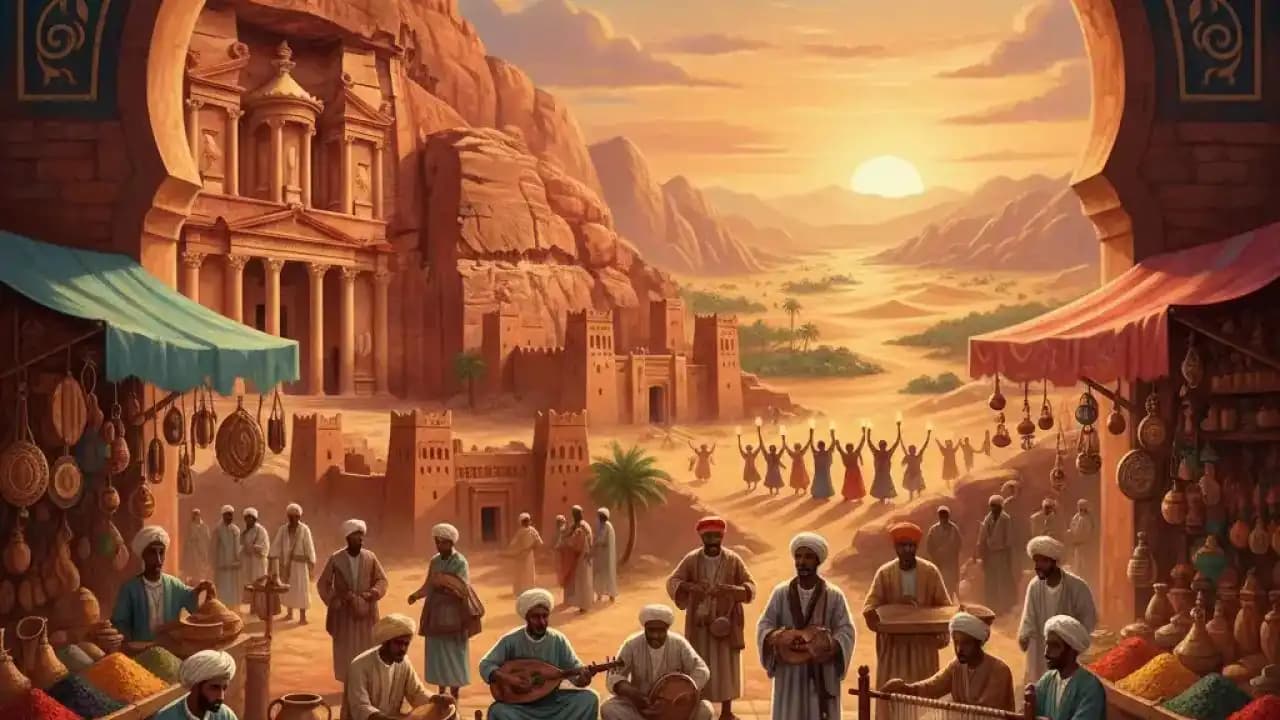
Historic urban centers and ancient medinas continue to draw visitors, with their winding streets, monumental gates, and markets offering sensory immersion in history. These living urban tapestries preserve architectural traditions, craft guilds, and cultural patterns that testify to the endurance of Arab world heritage.
Intangible Traditions: Rhythms of Daily Life
Heritage in the Arab world extends far beyond stones and walls; it breathes in daily life, performance, and oral expression.
Traditional music, rhythmic poetic forms, and collective performances often tied to seasonal cycles or community celebration continue to connect people with ancestry and place. One remarkable tradition involves rhythmic vocal calls used by desert herders to communicate with camel herds, illustrating how human and animal lives were deeply entangled in meaningful social practices.
Personal adornment and grooming customs also carry heritage significance. For many rural and nomadic communities, the application of kohl serves both aesthetic and practical purposes protecting the eyes from harsh climates while reinforcing cultural identity across generations.
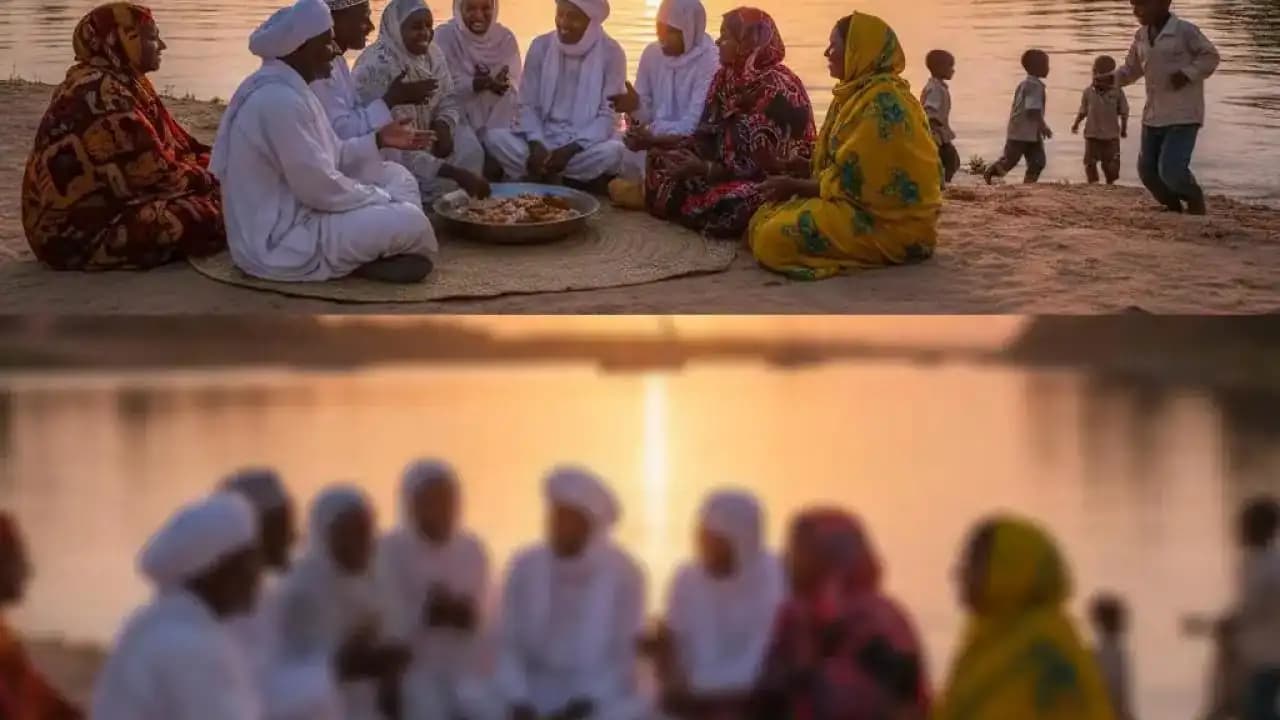
Culinary practices reflect centuries of trade and intercultural exchange, with beloved dishes evolving from port cities to inland heartlands. A classic street food staple, woven into urban life and national identity, recently gained formal recognition as a cultural treasure, underscoring the social meaning of shared meals and evolving culinary pride.
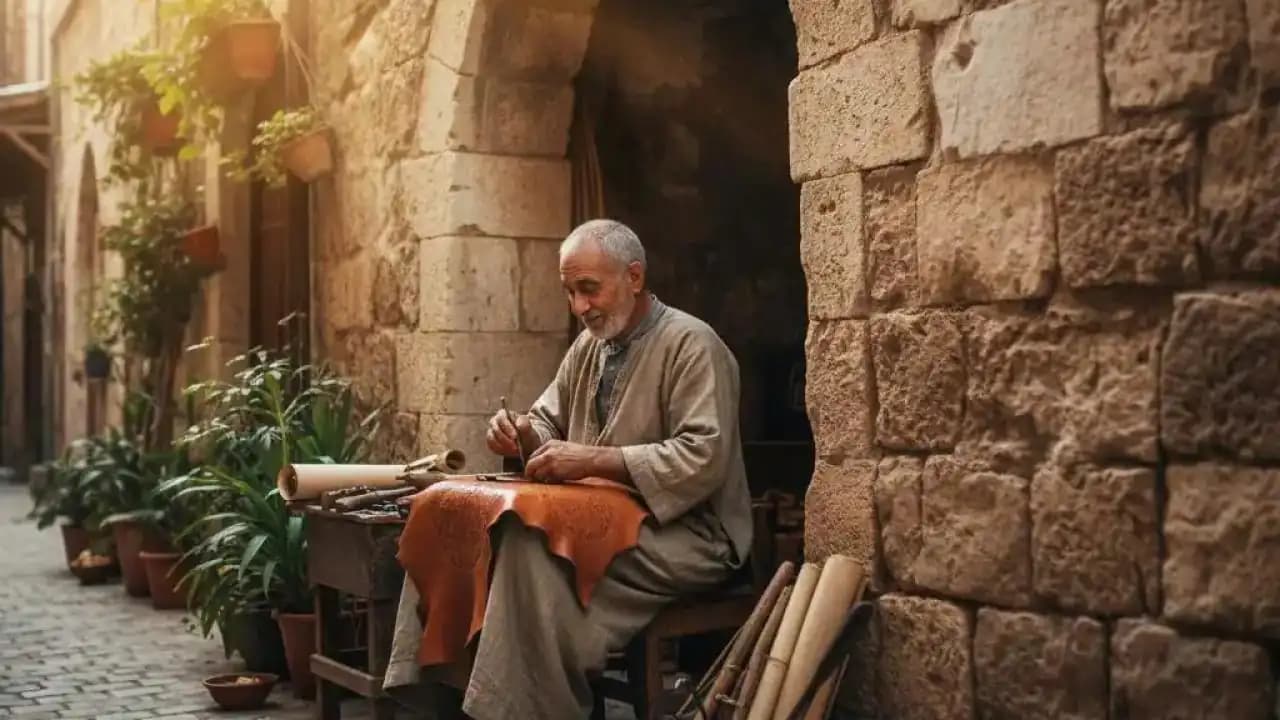
Artisanal crafts whether elaborate embroidery, pottery making, or traditional soap crafting continue to be passed down through family and community, consciously tying ancestral techniques to contemporary creative expression.
Preservation & Challenges: Safeguarding the Past for Tomorrow
Efforts to preserve Arab world heritage involve multiple layers of commitment, from international ratifications to local stewardship.
Many Arab sites and traditions benefit from global recognition frameworks that assess universal value and encourage protective safeguarding. Recognition often brings global awareness and support mechanisms, which help fund conservation projects, enhance documentation, and widen public education campaigns aimed at heritage appreciation.
Yet preservation faces serious challenges:
- Urban Expansion: Modern development pressures can encroach on ancient settlements, archaeological sites, and heritage neighborhoods, altering historic urban morphology and damaging fragile contexts.
- Conflict & Instability: In regions torn by warfare and political turbulence, historic structures and craft traditions may be at risk of irreversible loss or neglect in disrupted communities.
- Climate Threats: Increasing temperatures, extreme weather, and rising saltwater levels threaten ancient monuments and fragile coastal heritage.
- Economic Shifts: Traditional craftsmanship, often time intensive and reliant on specific materials, can struggle to sustain itself economically in modern markets, jeopardizing transmission to younger generations.
Despite these challenges, community engagement remains a beacon of hope. Local initiatives, festivals, and youth heritage programs are fostering renewed interest among younger Arabs in learning traditional skills, storytelling, and local histories. Educational centers, museums, and archives are digitizing documents and folkloric expressions offering new ways to preserve and share intangible knowledge.
In many communities, heritage is not relegated to museums; it continues to be encoded in weddings, rites of passage, seasonal rituals, and daily practices that bind people to their shared cultural legacy.
Voices from the Community: Heritage as Identity
Within the Arab world, tradition bearers and cultural practitioners speak with profound attachment to their heritage. For many, the past is not a static reference point but a living relationship one that informs identity, belonging, and social continuity.
Artisans describe heritage crafts as “language without words,” passed from master to apprentice, representing not only skills but values, meanings, and communal memory. Elders emphasize that oral storytelling and traditional music are vital connectors between generations, conveying histories that might otherwise disappear with time.
Communities engaged in preservation efforts often balance reverence for tradition with contemporary life demands merging heritage with modern enterprise. In doing so, they reinforce the notion that heritage is not only to be observed but lived, adapted, and shared.
Heritage in the Modern Arab World: Dynamic Continuity
In contemporary Arab cultural life, heritage remains a dynamic influence. Historic sites are anchors for tourism economies, creative industries, and international dialogue. The infusion of traditional design elements into modern architecture, fashion, and digital media reflects a growing trend of cultural self assertion and global cultural participation.
Annual festivals celebrating folklore, music, and artisanal crafts draw visitors and revitalize local economies, while digital platforms allow diaspora communities to engage with ancestral traditions across space and time.
Heritage has also become a source of national pride and soft power. Investment in museums, cultural capitals, biennials, and heritage trails illustrates a recognition that culture sustains both identity and economic vitality in an interconnected world.
Importantly, technology plays an increasing role using 3D imaging, digital archives, and interactive storytelling to preserve endangered sites and share their narratives with a global audience.
Cultural & Historical Depth: Continuity Through Change
Arab world heritage reminds us that traditions evolve yet remain deeply rooted. Architectural styles once shaped by empire and environment now resonate with modern interpretations. Linguistic expressions once confined to oral culture find new life through digital storytelling.
Cross regional exchanges from North Africa to the Gulf, from Levantine cities to Southern deserts have always informed the cultural palette, reflecting centuries of trade, migration, and shared historical experience.
Such cross fertilizations have enriched music, cuisine, and craftsmanship, producing cultural forms that are both locally distinctive and part of a wider Arab mosaic.
Conclusion: Preserving the Past, Inspiring the Future
From monumental archaeological landscapes to the joyful rhythms of community festivals, Arab world heritage is a testament to human creativity, resilience, and continuity. Its preservation is not merely about safeguarding relics; it is about sustaining identities, values, and creative impulses that enrich lives today and tomorrow.
As the world navigates rapid social and environmental change, the living tapestry of Arab heritage stands as a reminder that cultural memory is a human inheritance to be honored, understood, and shared.
Discover more treasures from the Arab world’s cultural tapestry in our heritage section and related heritage features.
FAQs
What makes Arab world heritage unique?
Arab world heritage is characterized by its profound historical depth, the blending of civilizations, and continuing traditions that span architecture, oral performance, craft, and everyday cultural expression.
How are UNESCO World Heritage sites preserved in the region?
Preservation involves international frameworks, national heritage laws, community engagement, and increasingly digital documentation to safeguard sites from environmental and human threats.
What threats do cultural traditions face today?
Urbanization, conflict, climate change, and economic marginalization can endanger both tangible sites and intangible practices, making preservation efforts urgent.
How can individuals support heritage conservation?
Supporting local cultural organizations, participating in heritage festivals, documenting traditions, and engaging with educational platforms helps sustain cultural memory and practice.