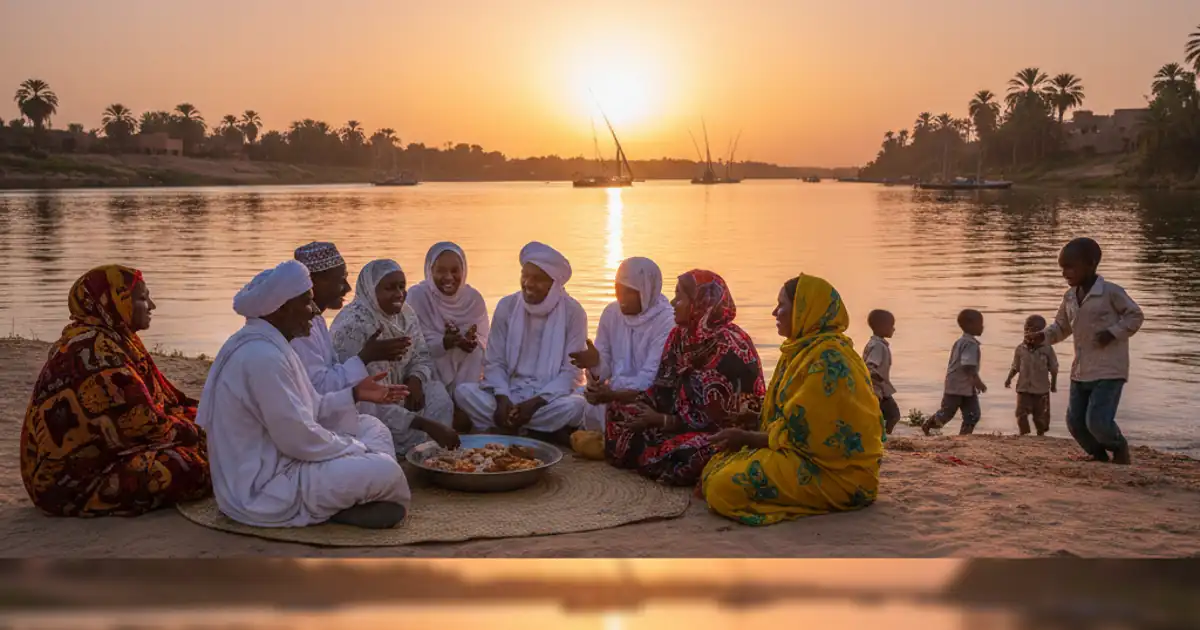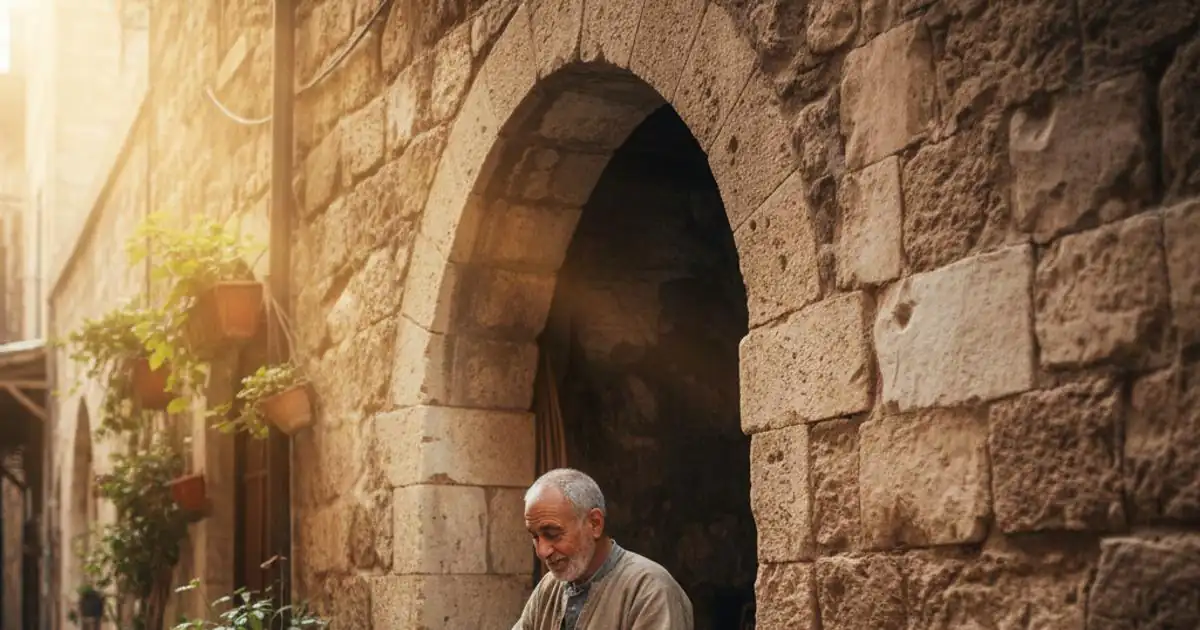

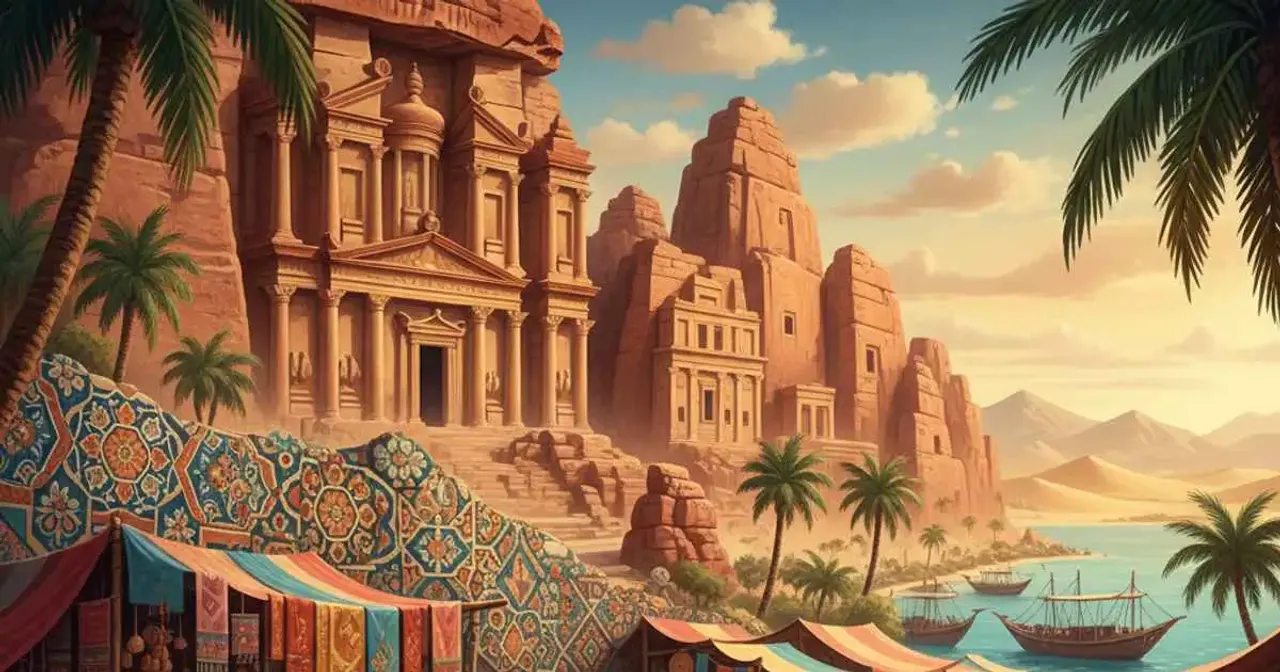
From wind carved desert cities and ancient caravan routes to rhythmic folk songs passed down through generations, Arab World Heritage is not frozen in the past. It is alive, evolving, and deeply woven into everyday life. At a time when rapid urban growth, conflict, and climate pressures threaten historic spaces and cultural memory, heritage across Arabic speaking countries has taken on renewed urgency. Communities are rediscovering old crafts, restoring ancient neighborhoods, and reasserting traditions as anchors of identity in a changing world. This is not only a story of preservation, but of continuity of how history still speaks, moves, and breathes through living culture today.
Across the region, communities are actively preserving cultural practices they see as timeless treasures, not by isolating them in museums but by keeping them embedded in daily life, craft, and shared memory.
Heritage Overview: A Civilization of Continuity
The Arab world stretches across continents, climates, and centuries, yet it is bound by shared cultural threads shaped by language, trade, faith, and creativity. Heritage in this region is layered. Pre Islamic civilizations, classical Islamic eras, Ottoman influences, colonial encounters, and modern nation building have all left their mark on landscapes and customs.
What makes Arab world Heritage distinctive is the close relationship between tangible and intangible culture. Stone cities, mosques, forts, and marketplaces exist alongside oral poetry, hospitality rituals, calligraphy, music, and food traditions. These elements do not function separately. They reinforce one another, creating a cultural ecosystem where architecture frames social life, and traditions give meaning to space.
Globally, the region holds some of humanity’s earliest urban centers and trade networks. Regionally, heritage remains a vital source of belonging, especially during times of displacement or social change. It offers continuity when other structures feel uncertain.
Iconic Sites and Traditions That Define the Region
Ancient Cities and Enduring Landscapes
Across the Arab world, historic cities tell stories of ingenuity and adaptation. Desert settlements once depended on complex water systems and trade routes. Coastal cities became gateways between continents. Mountain towns were designed for defense and climate resilience.
Many of these places are recognized as world heritage not only for their age, but for their influence on architecture, governance, and urban life. Narrow alleyways designed for shade, communal courtyards, and market centered neighborhoods continue to inspire modern urban planners seeking sustainable solutions.
Beyond cities, cultural landscapes such as oases, terraced hillsides, and pastoral routes reflect centuries of interaction between people and environment. These spaces show how communities survived harsh climates through collective knowledge and shared responsibility.
Intangible Traditions: Culture in Motion
Equally powerful are the living traditions that cannot be reduced to monuments. Across Arabic speaking countries, intangible heritage remains a daily presence.
Folk music and dance vary by region, reflecting local history and rhythm of life. Some dances are communal, performed at weddings and harvests, reinforcing social bonds. Others carry storytelling elements, narrating migration, love, or resistance.
Craft traditions are another cornerstone. Handwoven textiles, metalwork, pottery, wood carving, and leatherwork often follow techniques refined over centuries. Patterns and symbols carry meaning tribal identity, spiritual beliefs, or environmental references. In many places, crafts are family legacies, taught through observation rather than written instruction.
Culinary heritage also plays a vital role. Recipes passed down orally connect households to regional histories. Ingredients reflect geography, while shared meals reinforce values of generosity and hospitality.
Preservation and the Challenges Facing Heritage
Pressures of Modern Life
Despite its richness, Arab world heritage faces significant challenges. Rapid urbanization has replaced historic neighborhoods with modern developments. In some areas, conflict has damaged irreplaceable sites and disrupted cultural transmission. Climate change threatens coastal cities, ancient mud brick architecture, and agricultural traditions dependent on predictable seasons.
Neglect can be as damaging as destruction. When younger generations migrate or lose access to traditional livelihoods, skills risk disappearing. Heritage becomes vulnerable when it is seen as outdated rather than relevant.
Community Led Preservation Efforts
Yet preservation is not solely the work of institutions. Across the region, local communities play a central role in safeguarding heritage. Elders teach songs and stories. Artisans adapt traditional designs for contemporary markets. Neighborhood groups restore historic homes using original techniques.
Education initiatives introduce heritage into school curricula, while digital documentation helps record oral traditions and endangered crafts. Festivals celebrating regional culture have become platforms for intergenerational exchange, drawing attention to traditions that might otherwise fade.
Preservation matters because heritage is more than memory. It is a resource for social cohesion, economic opportunity, and cultural confidence.
Voices from the Community: Heritage as Belonging
For many people, heritage is deeply personal. Cultural practitioners often describe their work not as preservation, but as responsibility. A musician may speak of learning melodies from grandparents, feeling accountable to carry them forward. A craftswoman may see her work as a conversation with ancestors, each piece linking past and present.
Community members frequently express pride when heritage gains recognition, but also concern that commercialization can strip traditions of meaning. Authenticity, they say, lies in practice, not performance alone. Heritage thrives when communities remain its primary custodians.
These voices reveal an emotional dimension often missing from policy discussions. Heritage is not only about what is saved, but about who feels seen and valued in the process.
Heritage in the Modern Arab World
Inspiration for Contemporary Culture
Today, heritage continues to shape modern Arab identity. Designers incorporate traditional motifs into fashion and architecture. Musicians blend folk rhythms with contemporary genres. Filmmakers draw on oral histories to tell new stories.
Youth engagement has become a key driver. Young artists and entrepreneurs are reinterpreting heritage, proving it can be innovative without losing authenticity. Social media has amplified this movement, allowing traditions once confined to villages to reach global audiences.
Tourism and Technology
cultural tourism has brought both opportunity and responsibility. When managed thoughtfully, it generates income for local communities and funds conservation. When poorly handled, it risks commodifying culture.
Technology plays a growing role. Virtual tours, digital archives, and interactive exhibits make heritage accessible to wider audiences, including diasporic communities. At the same time, digital tools help document endangered practices, ensuring knowledge survives even when circumstances disrupt physical transmission.
Cultural and Historical Depth: Why Heritage Endures
Arab world heritage endures because it adapts. Traditions have evolved across centuries, absorbing influences from Africa, Asia, and Europe through trade and migration. This openness has enriched cultural expression without erasing core values.
Heritage also persists because it meets human needs. It offers meaning, continuity, and identity. In times of upheaval, people often return to cultural roots for stability. This resilience explains why traditions survive even when material conditions change.
Across the region, heritage demonstrates that identity is not static. It is shaped through dialogue between past and present, memory and innovation.
Conclusion: A Future Rooted in Memory
Arab world heritage is not merely a collection of ancient sites or fading customs. It is a living archive, carried by people who continue to sing, build, cook, and create as their ancestors did while responding to modern realities.
The future of this heritage depends on balance: honoring tradition while allowing evolution, protecting sites while empowering communities, and valuing culture not as spectacle, but as lived experience. As the Arab world navigates rapid change, its heritage remains a compass pointing toward continuity, dignity, and shared humanity.
FAQs
What makes arab world heritage unique?
Its integration of tangible sites and living traditions, where architecture, crafts, music, and social practices function together as cultural systems.
How are heritage sites preserved in the region?
Through a combination of community led initiatives, restoration projects, education programs, and modern documentation techniques.
What threats do cultural traditions face today?
Urbanization, conflict, climate change, and loss of intergenerational transmission pose significant risks.
How can individuals support heritage conservation?
By engaging with local culture responsibly, supporting traditional artisans, and valuing heritage as part of everyday life.