
Arab world Heritage represents far more than historical landmarks or preserved ruins. It is a living expression of culture, knowledge, and identity that continues to shape societies across North Africa and West Asia. For readers seeking understanding rather than headlines, this topic offers insight into how communities maintain continuity while navigating social change, modernization, and global influence.
At its core, Arab world Heritage reflects centuries of accumulated experience. It includes ways of thinking, systems of learning, artistic expression, and social customs that developed through interaction between geography, belief, and human movement. These elements did not emerge in isolation; they evolved through trade, scholarship, migration, and shared language.
Understanding Heritage as a Living Cultural System
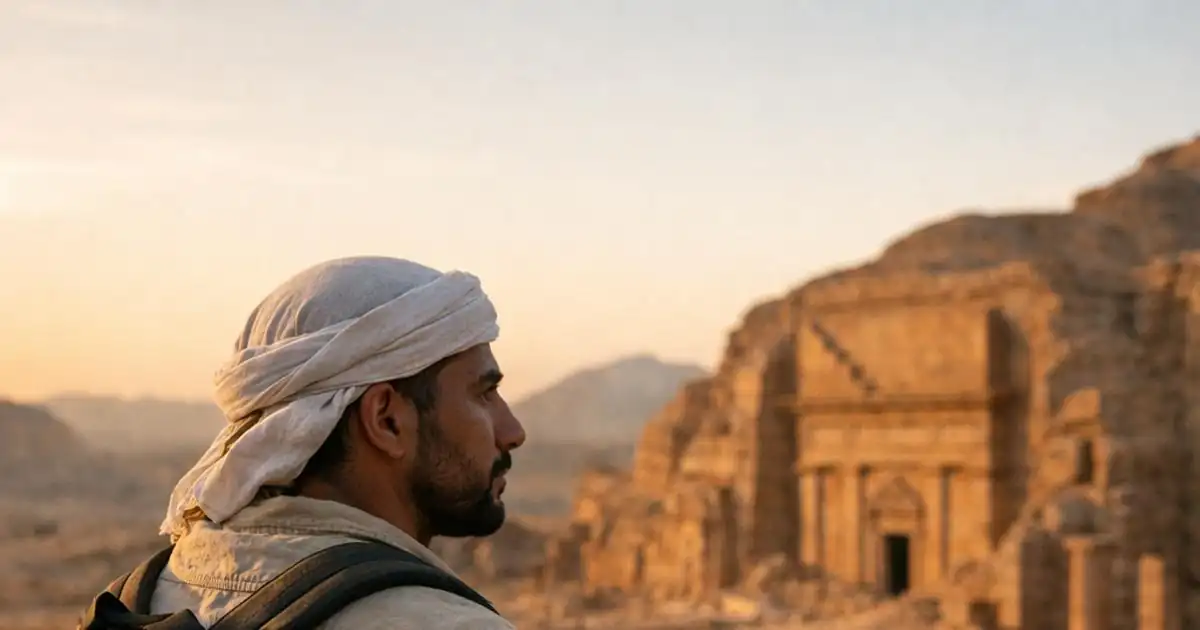
This perspective explains how cultural meaning develops over time, including the role of historic sites as reference points rather than isolated attractions.
Heritage is often misunderstood as something static. In reality, cultural heritage functions as a dynamic system. In the Arab region, traditions adapt without losing meaning, allowing societies to evolve while remaining connected to their roots.
This article explains the deeper meaning behind cultural continuity in the region, clarifying how history, lived practice, and social memory intersect beyond the presence of famous sites.
This system includes both tangible and intangible dimensions(Explained):
- Built environments such as historic cities, markets, and architecture
- Intangible practices including storytelling, craftsmanship, and communal rituals
- Knowledge traditions preserved through language, education, and religious learning
Together, these dimensions explain why Arab world heritage remains relevant in everyday life, not only in academic study or tourism.
Geography, Exchange, and Cultural Formation
The Arab region historically served as a bridge between continents. Trade routes connected ports, deserts, and cities, enabling the movement of goods as well as ideas. This exchange shaped food traditions, artistic styles, and systems of governance.
Language played a central role in this process. Arabic functioned as a shared medium for science, law, literature, and philosophy. Through translation movements and scholarly networks, knowledge traveled widely, influencing civilizations far beyond the region.
These interactions created a layered cultural identity, one that absorbed external influences while maintaining internal coherence.
Heritage and Identity in Modern Societies
In contemporary contexts, Arab world heritage is closely linked to questions of identity. During periods of political change, cultural memory often provided stability. Traditions, customs, and shared narratives helped communities preserve a sense of belonging despite shifting borders and institutions.
Today, debates surrounding education, media representation, and cultural policy continue to reflect this connection. Heritage becomes a reference point for defining values, negotiating modernity, and understanding social responsibility.
Rather than resisting change, heritage offers a framework for interpreting it.
Living Traditions and Cultural Continuity
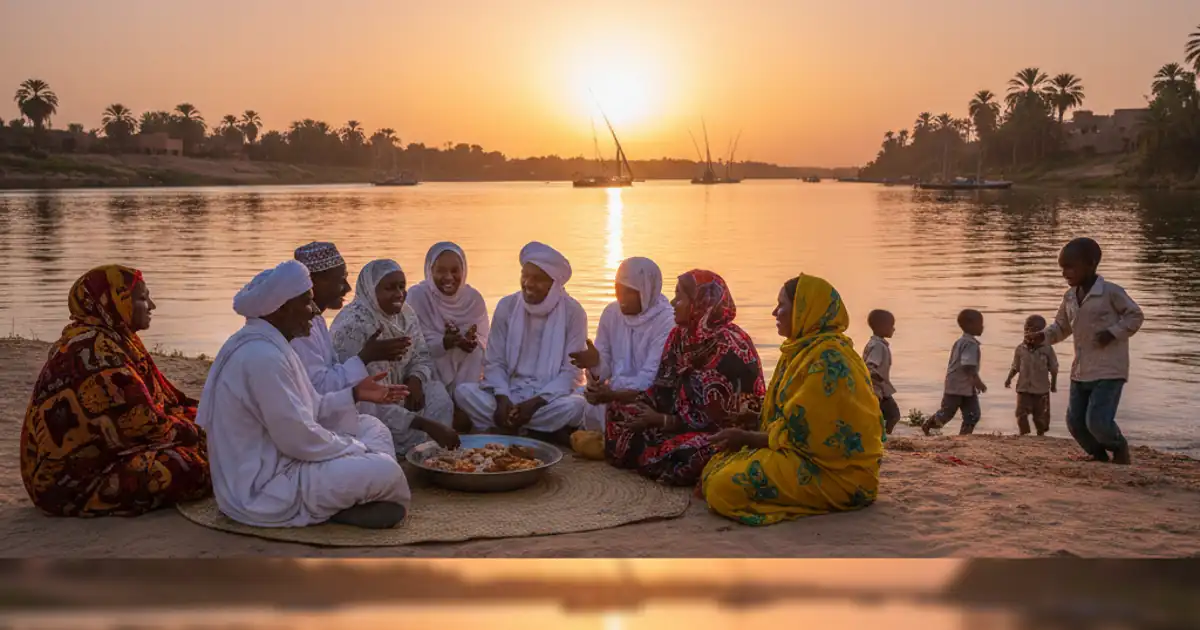
Across generations, families and communities pass down values, skills, and shared memory, ensuring continuity even as social conditions evolve.
One of the defining features of Arab world heritage is its living character. Many practices remain embedded in daily routines, from food preparation and hospitality to craft production and seasonal celebrations.
Cultural continuity is sustained through:
- Families transmitting values and customs
- Community spaces that reinforce shared practices
- Skilled artisans preserving traditional knowledge
These traditions evolve naturally, responding to economic and social conditions while retaining symbolic meaning.
Contemporary Challenges Facing Heritage
Despite its resilience, Arab world heritage faces significant pressures. Rapid urban development has transformed historic neighborhoods. Economic change has reduced demand for traditional skills. Conflict and environmental stress have damaged cultural environments.
Additional challenges include:
- Loss of local knowledge due to generational gaps
- Cultural standardization driven by global media
- Tourism practices that prioritize profit over preservation
Addressing these issues requires strategies that integrate culture into planning, education, and economic development.
Global Significance and Shared Human History
The influence of Arab civilization extends beyond regional boundaries. Contributions to mathematics, medicine, architecture, and philosophy shaped global intellectual history. Understanding this heritage encourages cross-cultural literacy and historical balance.
For global audiences, Arab world heritage offers lessons in coexistence, adaptation, and cultural exchange. It demonstrates how societies can preserve identity while engaging with the wider world.
The Path Forward for Heritage Preservation
The future of Arab world heritage depends on relevance. Preservation efforts increasingly focus on community involvement, ethical tourism, and digital documentation. Technology now supports archiving languages, crafts, and oral histories that might otherwise disappear.
Sustainable approaches emphasize participation rather than isolation. Heritage that remains connected to social life continues to thrive.
Frequently Asked Questions
What does Arab world heritage include?
It includes cultural practices, knowledge systems, architecture, language, and social traditions.
Why does heritage matter today?
It supports identity, education, social cohesion, and cultural understanding.
Is heritage only about the past?
No. It evolves alongside society and remains part of daily life.
How can heritage be protected sustainably?
Through education, community engagement, and responsible cultural policies.