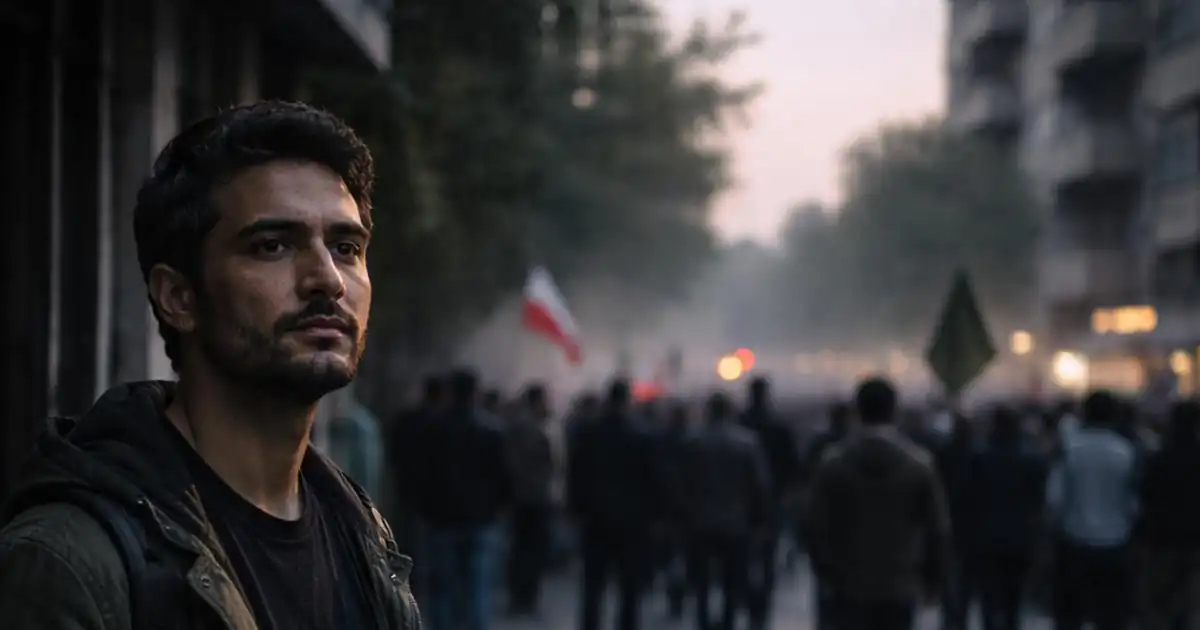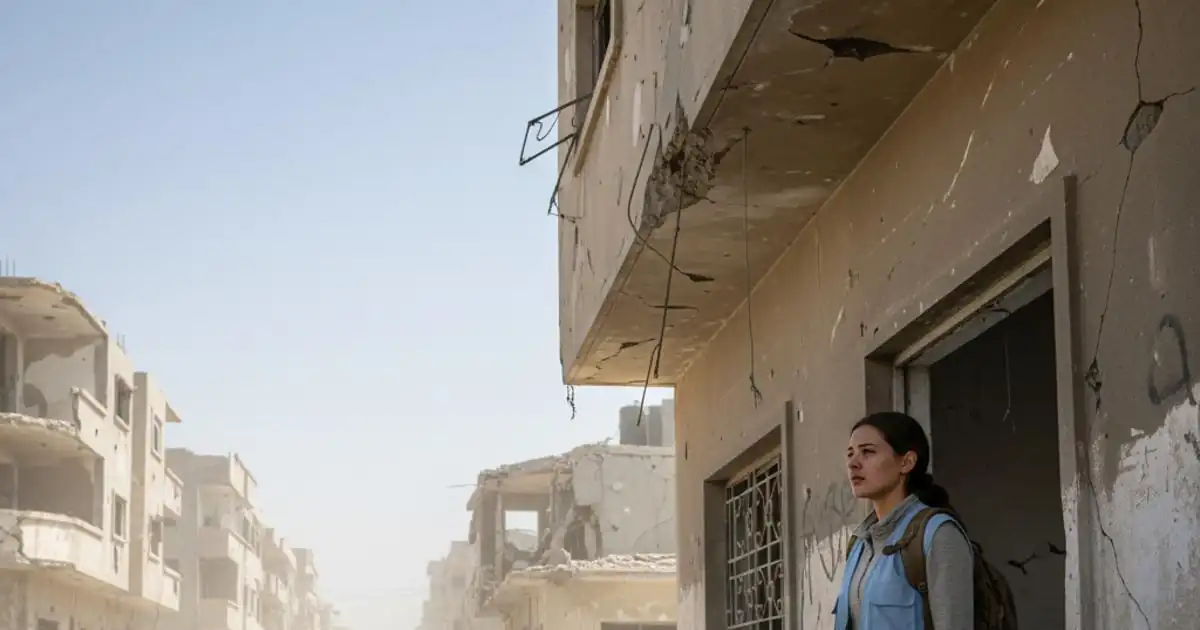

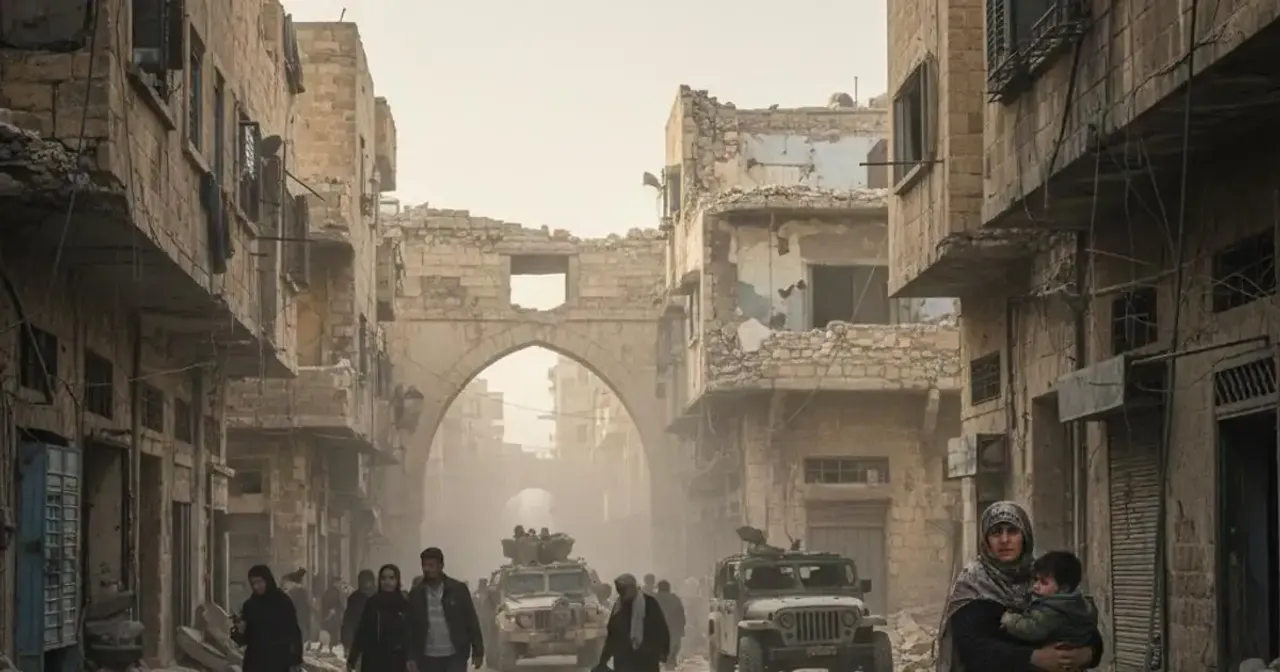
Aleppo Kurdish areas have once again become a focal point in Syria’s unresolved struggle over authority, security, and national integration. When a state labels neighborhoods as military zones and urges civilians to leave, the move is never just tactical. It reflects deeper disputes about who governs, who commands armed force, and how a fractured country attempts to reassemble itself after years of war.
For readers unfamiliar with Syria’s internal dynamics, the current confrontation is not a sudden eruption. It is the product of unfinished political bargains, competing military structures, and Fragile coexistence inside one of the country’s most symbolically important cities. Understanding why Aleppo’s Kurdish neighborhoods matter requires stepping back from daily clashes and examining the structural pressures shaping today’s violence.
Why Aleppo Kurdish Areas Carry Strategic Weight
Aleppo is more than a large urban center. It is an economic hub, a logistical crossroads, and a political prize. Control over its neighborhoods signals legitimacy in the eyes of domestic audiences and external actors alike.
The Aleppo Kurdish areas, primarily concentrated in the northern districts of the city, have functioned for years with a degree of autonomy. Local councils, security forces, and social services developed outside direct state command during the war. While these areas never fully separated from Syria, they operated in a grey zone where authority was negotiated rather than imposed.
From the government’s perspective, this arrangement was always temporary. From the Kurdish-led administration’s view, autonomy became a safeguard against marginalization. As long as national power remained fragmented, coexistence was possible. As the state seeks consolidation, that balance is breaking down.
The Unfinished Question of Armed Integration
At the heart of the confrontation lies the future of the Syrian Democratic Forces. The group emerged as a powerful military actor during the fight against extremist organizations, controlling vast territory in northern and eastern Syria.
The central state’s long-term objective is clear: a single army under unified command. Parallel forces challenge sovereignty and complicate diplomacy. Yet integration is not merely administrative. It raises questions about rank, command hierarchy, political guarantees, and the fate of local governance structures.
Previous understandings envisioned gradual absorption into state institutions. Implementation stalled because trust is thin. Kurdish leaders fear losing hard-won protections. Damascus fears setting a precedent that weakens central authority. Aleppo has become the testing ground for this unresolved dilemma.
Closed Military Zones as a Tool of Pressure
Declaring neighborhoods off-limits to civilians is a familiar tactic in modern urban Warfare. It serves three purposes simultaneously:
- Operational freedom: Clearing civilians reduces constraints on military action.
- Psychological pressure: Civilian displacement signals seriousness and raises stakes.
- Political leverage: Evacuations force local leaders to confront the cost of continued resistance.
In Aleppo, this approach targets Kurdish-controlled districts embedded within a state-held city. Unlike rural fronts, urban enclaves cannot be isolated without humanitarian consequences. Each evacuation deepens resentment and risks long-term demographic shifts that are difficult to reverse.
Civilian Costs Inside Aleppo Kurdish Areas
For residents of Aleppo Kurdish areas, daily life has long involved navigating uncertainty. Markets open cautiously. Schools operate intermittently. Families maintain emergency plans.
When fighting intensifies, civilians face impossible choices. Leaving means abandoning homes, livelihoods, and social networks. Staying risks exposure to shelling, shortages, and arbitrary detention. Even temporary displacement can become permanent when front lines harden.
Humanitarian corridors may reduce immediate casualties, but they do not solve the underlying problem. Repeated evacuations erode trust in all authorities and deepen communal trauma.
Sectarian Tension and the Risk of Urban Fragmentation
Aleppo’s population is ethnically and religiously diverse. Kurdish districts sit alongside Arab neighborhoods, with long histories of coexistence punctuated by episodes of mistrust.
Escalation in Kurdish areas risks spilling into broader sectarian narratives. Rumors travel faster than facts in wartime cities. A localized clash can be reframed as collective punishment, even when leaders insist otherwise.
Once urban conflict takes on an identity dimension, resolution becomes harder. Grievances accumulate. Neutral actors shrink. Every incident is interpreted through the lens of survival rather than compromise.
External Pressures Complicating Internal Control
Syria’s internal negotiations do not occur in isolation. Regional dynamics continually reshape calculations. Airstrikes, sanctions, and foreign military footprints constrain what any local actor can realistically offer or accept.
The government must demonstrate strength to deter fragmentation, yet avoid actions that invite international backlash. Kurdish forces rely on external relationships for leverage, yet those relationships are neither unconditional nor permanent.
Aleppo’s Kurdish districts sit at the intersection of these pressures. Their fate signals how Syria intends to manage diversity under renewed central authority.
What This Means for Syria’s State-Building Effort
The confrontation in Aleppo highlights a broader truth: military victories do not automatically produce political unity. State-building requires institutions that can absorb difference without dissolving authority.
If force becomes the primary integration tool, short-term control may be achieved at the expense of long-term stability. If compromise is perceived as weakness, future negotiations elsewhere will falter.
Aleppo Kurdish areas thus function as a bellwether. How this standoff is handled will influence relations with other semi-autonomous regions and armed groups across the country.
Possible Paths Forward
Several scenarios could emerge from the current trajectory:
- Managed integration: Gradual incorporation of Kurdish forces with guarantees on local administration and representation.
- Coercive consolidation: Military pressure forces compliance but leaves deep resentment.
- Frozen confrontation: Periodic clashes without resolution, locking Aleppo into chronic instability.
None are cost-free. The least damaging option requires patience, credible guarantees, and third-party facilitation that both sides trust.
Future Risks and Opportunities
Failure to resolve the status of Aleppo Kurdish areas risks entrenching cycles of displacement and retaliation. Urban conflict drains economic recovery and discourages return of displaced populations.
Yet there is also opportunity. Successful integration could demonstrate a model for reconciling autonomy with sovereignty. It could reduce incentives for external intervention and stabilize one of Syria’s most important cities.
The coming months will reveal whether Aleppo becomes a symbol of reintegration or a warning about unresolved war legacies.
Frequently Asked Questions
Why are Aleppo Kurdish areas strategically important?
They sit inside a major city and symbolize the broader question of autonomy versus central control in post-war Syria.
Who controls Aleppo Kurdish areas today?
Local Kurdish-led forces administer security and governance, while the central state claims ultimate authority.
What does a closed military zone mean for civilians?
It restricts civilian movement and often precedes intensified military operations, increasing displacement risks.
Can integration of Kurdish forces succeed?
It can, but only with political guarantees, phased implementation, and mutual trust.
How could this affect Syria’s future stability?
The outcome will shape how other regions negotiate power-sharing and state authority.