
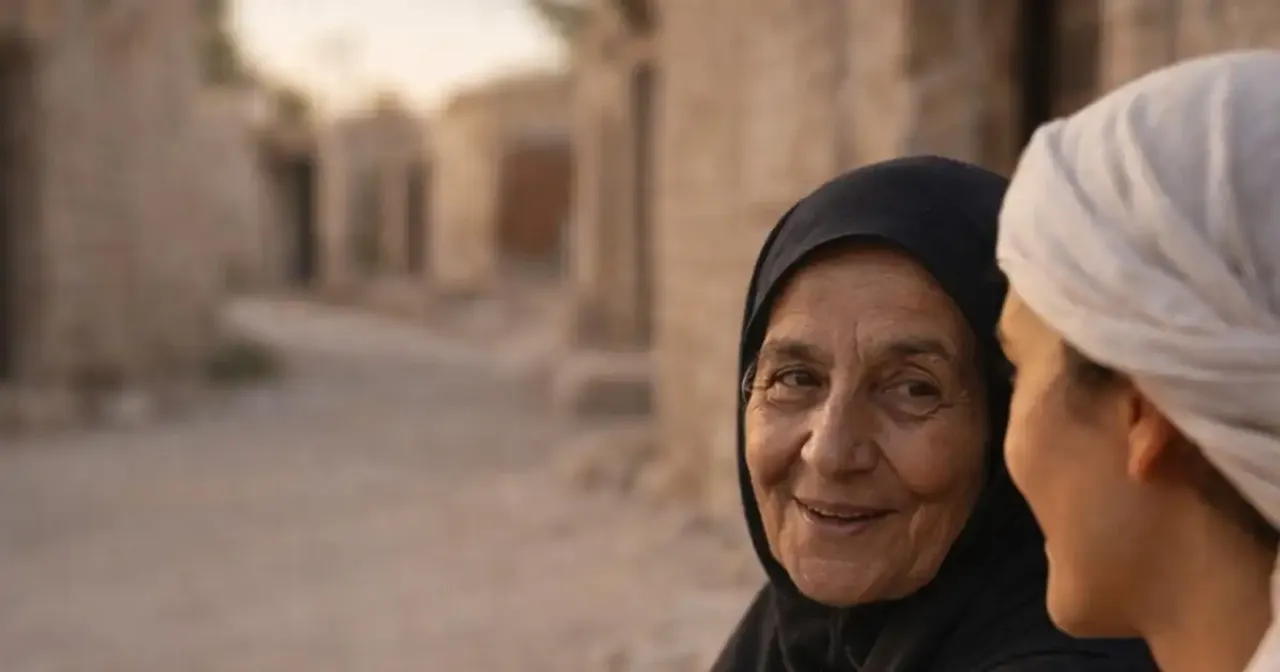
If you listen closely to Arabic conversations, you can often tell where someone is from before they mention their country or city. A vowel here, a word choice there, a particular rhythm of speech all offer subtle clues. This is not coincidence. It is the cultural power of regional dialects at work.
Across the Arab world, language is shared, but speech is wonderfully diverse. Regional Arabic dialects play a central role in shaping identity, culture, and social belonging. They carry history, geography, humor, and emotion in ways that formal language often cannot. Far from being linguistic deviations, dialects are living expressions of Arab culture in its most human form.
This article explores how regional dialects influence Arab identity, how they developed, why they matter culturally, and what their future may look like in a rapidly changing world.
What Are Regional Arabic Dialects?
Regional Arabic dialects are local varieties of Arabic that developed naturally over time within specific geographic areas. While they share a common linguistic root with Classical and Modern Standard Arabic, they differ in:
- Pronunciation
- Vocabulary
- Grammar and sentence structure
- Rhythm and tone
These differences did not arise randomly. They reflect centuries of interaction between language, environment, history, and social life.
Linguists widely agree that dialects are not “corrupt” forms of a language. They are structured, rule based systems shaped by everyday human use.
Dialect as a Marker of Identity
More Than Speech: A Sense of Self
For many Arabs, dialect is the first language of emotion. It is the language of home, family, jokes, arguments, affection, and storytelling. While Modern Standard Arabic is respected and widely understood, dialect is what feels personal.
People often say, “This dialect sounds like me.” That sense of recognition is deeply tied to identity.
Belonging and Social Recognition
Dialect signals belonging. A few spoken words can immediately establish familiarity, trust, or shared background. In social settings, dialect often communicates more than content it conveys where you come from and how you relate to others.
Geography and History in Dialect Formation
Environmental Influence
Geography shapes language. Desert communities developed vocabularies related to weather, animals, and travel. Coastal dialects absorbed maritime and trade related terms. Mountain and oasis communities formed speech patterns influenced by relative isolation.
These linguistic features reflect how people lived, worked, and interacted with their surroundings.
Historical Contact and Exchange
Trade routes, migration, pilgrimage, colonization, and empire all left traces in regional dialects. Words and expressions entered Arabic from languages such as Amazigh, Persian, Turkish, and European languages, blending into local speech.
Dialect, in this sense, is a historical archive one that records contact and exchange more subtly than written documents.
Dialects in Popular Culture
Music, Folklore, and Oral Tradition
Traditional songs, chants, and folktales rely heavily on dialect. Their rhythm and emotional impact often disappear when translated into Standard Arabic. Dialect keeps these traditions alive because it preserves how people actually spoke and felt.
Humor and Emotional Expression
Humor works best in dialect. Jokes, irony, and sarcasm rely on timing, tone, and shared cultural references. The same sentence can sound formal, flat, or deeply funny depending on the dialect used.
Emotion, too, finds its most natural expression in local speech.
Dialects in Literature, Film, and Media
Contemporary Writing
Many modern Arab writers use dialect in dialogue to give characters authenticity. This choice adds realism and emotional depth, helping readers connect more closely with the story.
Cinema and Television
In film and television, dialect defines character. A role’s background, social position, and personality often emerge through speech alone. Changing the dialect can completely change how a character is perceived.
Digital Media and Social Platforms
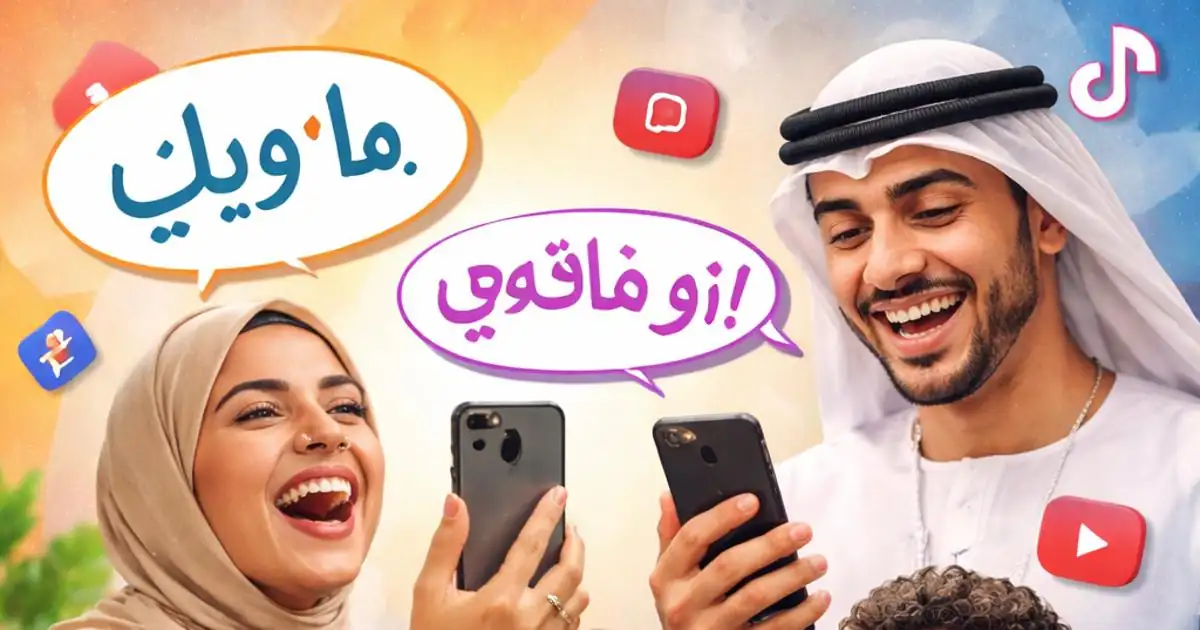
Social media has amplified dialects in unprecedented ways. Online videos, podcasts, and short form content often use regional dialects because they feel direct, relatable, and human. This has helped normalize dialect use in public spaces once dominated by formal language.
Dialects and Standard Arabic: Conflict or Complement?
A common misconception is that dialects threaten Standard Arabic. In reality, the two serve different purposes and have coexisted for centuries.
- Standard Arabic functions as the language of education, literature, religion, and formal communication.
- Dialects function as the language of daily life and social interaction.
This functional balance has allowed Arabic to remain both unified and diverse. Most Arabic speakers move comfortably between dialect and standard forms depending on context.
linguistic diversity as Cultural Strength
Why Diversity Matters
linguistic diversity reflects human diversity. Each dialect offers a unique way of describing the world, shaped by local experience. Preserving this diversity strengthens cultural richness rather than fragmenting it.
The Risk of Forced Uniformity
When certain dialects dominate media and public life, others may become marginalized. This can lead to loss of cultural memory and feelings of exclusion. Cultural balance requires recognizing all dialects as valid expressions of identity.
Challenges Facing Regional Dialects Today
Several forces place pressure on dialect diversity:
- Media concentration around a few dominant dialects
- Urbanization and internal migration
- Social stereotypes attached to certain ways of speaking
- Limited academic documentation of smaller dialects
These challenges do not mean dialects are disappearing overnight, but they do highlight the need for awareness and respect.
The Role of Education and Cultural Institutions
Educational and cultural institutions can support dialect diversity by:
- Encouraging linguistic research and documentation
- Recognizing dialects as part of intangible cultural heritage
- Supporting arts and media that reflect regional speech
- Teaching students about linguistic diversity without judgment
Such efforts help shift public perception from hierarchy to appreciation.
How Individuals Can Support Dialect Diversity
Preserving dialects does not require formal programs alone. Everyday actions matter:
- Speak your dialect confidently
- Respect how others speak
- Encourage children to value their local speech
- Support media and art that reflect linguistic diversity
- Record stories, memories, and oral traditions
Preservation does not mean freezing language in time. It means allowing it to live and adapt naturally.
The Future of Regional Arabic Dialects
Languages evolve. Some expressions fade, others emerge. What matters is not resisting change, but ensuring that diversity remains visible and valued.
As long as dialects continue to be spoken with pride, used creatively, and respected socially, they will remain a vital part of Arab identity.
Conclusion
Regional Arabic dialects are foundational to Arab identity and culture. They are not alternatives to the language, but living extensions of it shaped by land, history, and human connection.
In a world increasingly drawn toward standardization, dialects remind us that culture thrives in diversity. Protecting this linguistic richness is not a nostalgic act; it is a forward looking commitment to cultural authenticity and human expression.
Every dialect carries a story. Keeping those stories alive keeps culture alive too.