



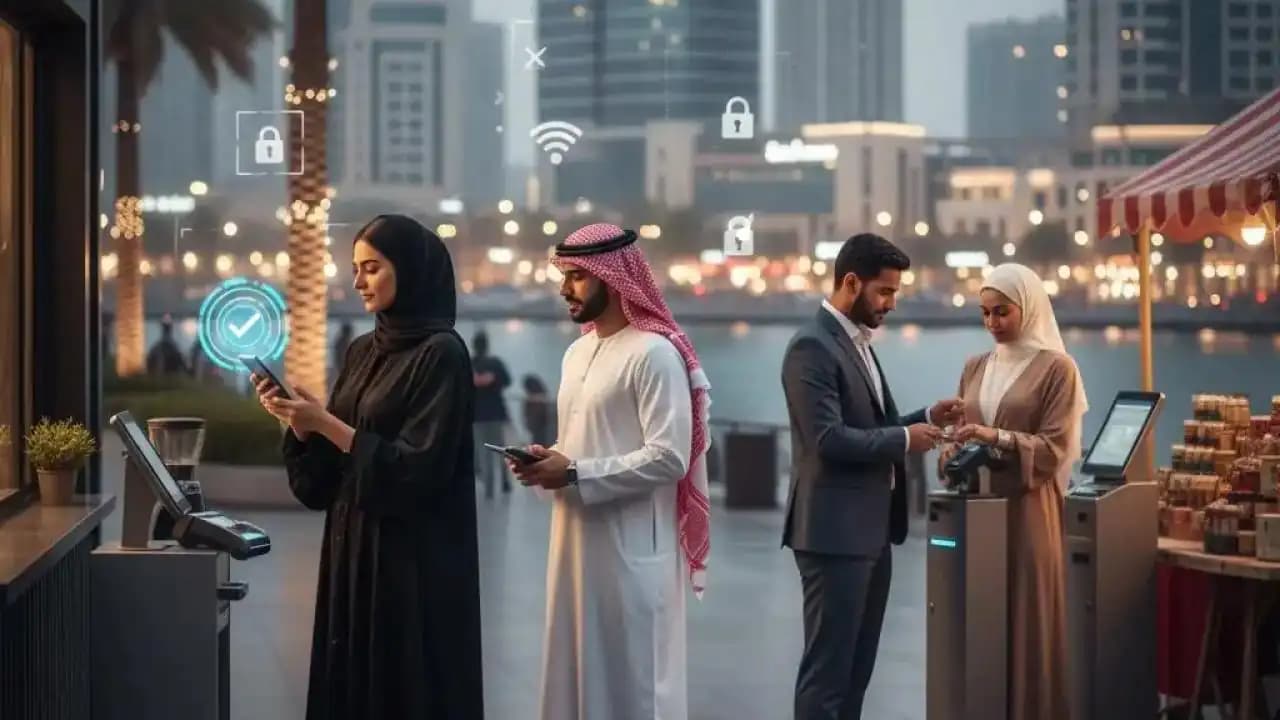
The shift toward Digital payments is no longer experimental. Across the region, cashless societies in the Gulf Countries are becoming an economic reality, reshaping how individuals spend, how businesses operate, and how governments manage financial systems. This transition goes far beyond convenience, signaling a structural change in daily life and economic organization.
As physical money gradually loses its central role, digital transactions are redefining trust, Access, and efficiency. Understanding this transformation requires examining its drivers, consequences, and long-term implications.
What Is Driving the Gulf’s Move Away From Cash
Several forces are accelerating the decline of cash usage in Gulf economies:
- Widespread smartphone adoption
- Government-led digital transformation initiatives
- Financial inclusion strategies
- Efforts to reduce informal economic activity
Together, these factors position cashless societies in the Gulf as a strategic objective rather than a short-term trend.
Government Policy as a Catalyst
Public policy plays a decisive role in accelerating cashless adoption. Governments have:
- Digitized public services
- Integrated payment systems with digital identity platforms
- Encouraged merchants to adopt electronic payments
- Established regulatory frameworks for fintech
These measures make digital transactions the default option for many everyday interactions.
How Cashless Systems Change Consumer Behavior
Moving away from physical money alters how People relate to spending. Digital payments:
- Increase transaction speed
- Improve expense tracking
- Reduce reliance on cash handling
At the same time, behavioral studies suggest that frictionless payments can encourage higher spending, highlighting the need for financial awareness.
Implications for Businesses and Commerce
For businesses, particularly small and medium enterprises, digital payments are no longer optional. Key advantages include:
- Faster settlement cycles
- Reduced theft and handling risks
- Access to detailed transaction data
- Seamless integration with online platforms
However, adoption also brings challenges related to fees, system reliability, and cybersecurity readiness.
Cashless Societies in the Gulf and the Informal Economy
One significant outcome of reduced cash usage is increased economic transparency. Digital transactions:
- Create auditable records
- Support regulatory compliance
- Limit unreported financial activity
While this strengthens economic governance, it also raises compliance expectations for individuals and enterprises.
Technologies Enabling the Transition
The move toward digital payments is powered by several technologies:
- Mobile wallets
- Contactless payment systems
- QR-based transactions
- Fintech platforms
These tools have made non-cash payments faster and more accessible than traditional methods.
Privacy and Security Concerns
Despite efficiency gains, cashless systems raise legitimate concerns:
- Financial data tracking
- Cybersecurity threats
- Dependence on digital infrastructure
Addressing these risks requires strong data Protection laws and continuous investment in security frameworks.
Inclusion Challenges in a Cashless Environment
Not all segments of society transition at the same pace. Elderly populations and digitally underserved groups may face barriers to adoption.
To prevent exclusion, policymakers must ensure:
- Transitional alternatives
- Education initiatives
- Inclusive system design
A successful shift depends on accessibility as much as technology.
The Economic Future of Cashless Models
Over time, digital payment ecosystems support:
- Financial innovation
- E-commerce expansion
- Investment attraction
- More effective monetary policy tools
The sustainability of this model depends on balancing efficiency with trust and inclusivity.
Preparing for a Cashless Reality
Preparation does not require abandoning cash overnight. Instead, individuals and businesses can:
- Gradually adopt digital payment tools
- Understand fee structures
- Improve financial literacy
- Protect personal financial data
These steps help maximize benefits while minimizing risks.
Frequently Asked Questions
Will cash disappear entirely in the Gulf?
Unlikely, but its role will continue to decline.
Are digital payments secure?
They are secure when supported by strong safeguards.
How are small businesses affected?
They benefit from efficiency but must adapt operationally.
Does cashless living affect privacy?
Yes, which is why regulation and awareness are essential.