


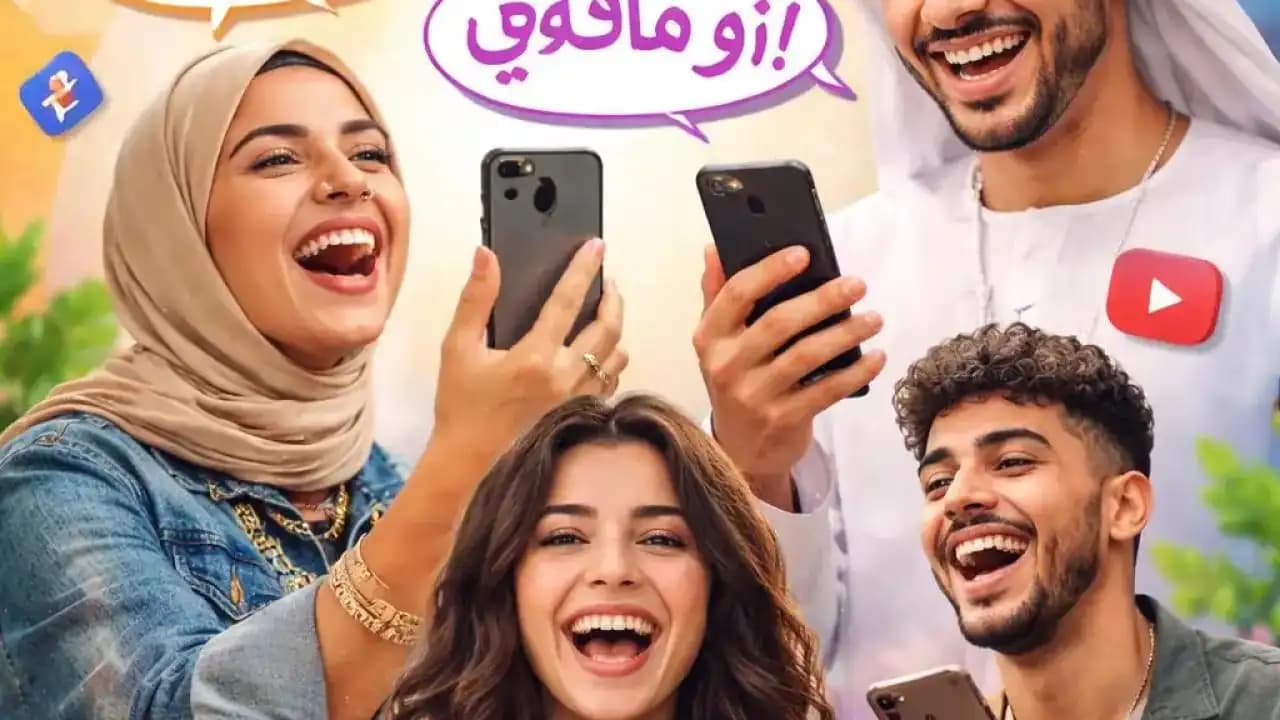
A single phrase in Arabic Dialects can turn a quiet video into a viral storm overnight. One punchline, one dramatic expression, one perfectly delivered word and suddenly millions of people who don’t even speak Arabic are laughing, remixing, and repeating it.
Scroll through TikTok, Instagram Reels, or YouTube Shorts long enough and you’ll notice it: voices layered with subtitles, expressive storytelling, sharp humor, and emotional delivery that somehow cuts through language barriers. Arabic speech, in its many local forms, has become one of the internet’s most unexpected cultural exports.
This isn’t just a trend. It’s a shift in how Language, identity, and digital culture collide.
The Sound of Personality, Not Just Language
Modern Standard Arabic may be the formal glue across the Arab world, but everyday life runs on dialect. These spoken varieties Egyptian, Saudi, Lebanese, Moroccan, Iraqi, and dozens more carry rhythm, attitude, and emotional texture that formal language rarely holds.
On social media, personality wins. Dialects deliver personality instantly.
An Egyptian creator doesn’t just say something is funny they perform it with musical intonation and exaggerated disbelief. A Gulf speaker stretches a word for dramatic sarcasm. A Levantine storyteller adds warmth and softness that feels like you’re listening to a friend, not a performer.
Even viewers who don’t understand the words can feel the mood. Tone travels faster than translation.
That emotional clarity makes dialect content incredibly shareable. People remix the audio, add captions, act out scenes, and build inside jokes around sounds that originally came from a very specific neighborhood or city.
Humor That Crosses Borders
Arabic-speaking cultures have long traditions of oral storytelling, quick wit, and playful exaggeration. Social media didn’t invent this it just gave it a global stage.
Short-form video thrives on reactions, punchlines, and dramatic retellings of everyday life. Arabic dialect humor fits perfectly into that format. A story about a strict parent, a chaotic wedding, or a neighbor who knows everyone’s business becomes universally relatable when told with expressive delivery.
Certain phrases go viral because they capture a feeling people everywhere recognize: disbelief, fake confidence, dramatic heartbreak, or playful annoyance. The exact meaning may get lost in translation, but the emotion lands anyway.
Soon, non-Arab creators start lip-syncing to the original audio. Subtitles appear in Spanish, English, Portuguese, and Turkish. The phrase becomes a meme, detached from its origin but still powered by its original vocal energy.
Identity in the Age of Algorithms
For many young Arabs, using dialect online is also a quiet act of cultural pride.
For decades, formal Arabic dominated public media news broadcasts, official speeches, schoolbooks. Dialects were seen as informal, sometimes even “less correct.” Social media flipped that hierarchy. Now, the most relatable, most followed voices are often the ones speaking exactly as they do at home.
When a creator posts in their local speech, they’re not just telling a joke. They’re saying: this is how we sound, this is how we live, and it’s worth hearing.
Algorithms reward authenticity. Dialect feels unfiltered and real, especially compared to polished, scripted content. Viewers sense when someone is speaking naturally rather than performing for an imagined “global” audience.
That authenticity builds loyal communities. Comment sections fill with people saying, “This sounds like my aunt,” or “Only we say it like this.” Inside references become badges of belonging.
Subtitles Built a Bridge
One reason Arabic dialects are spreading beyond native speakers is simple: subtitles got better and faster.
Creators now add bilingual captions as a default. Fans translate clips into multiple languages within hours. Some videos even include cultural footnotes explaining jokes or social references.
This layered format lets viewers enjoy both the sound and the meaning. The original voice carries the emotion; the text delivers the context.
Unlike traditional media translation, which often smooths out local flavor, social media subtitles tend to preserve slang and tone. A dramatic phrase might be translated loosely “I can’t believe this!” while still keeping the original audio front and center.
The result is a hybrid experience where language becomes part of the entertainment, not a barrier to it.
The Rise of “Main Character” Voices
Certain dialects have developed strong online personas.
Egyptian Arabic often gets associated with comedy and expressive storytelling, partly due to Egypt’s long history in film and television. Gulf dialects frequently appear in luxury lifestyle videos, dramatic skits, or confident monologues. Levantine speech shows up in romantic or emotionally charged content.
These patterns aren’t strict rules, but they shape audience expectations. A particular accent can signal the tone of a video before a single word is understood.
This turns dialect into a kind of audio branding. Just hearing the voice can set the mood, like the opening notes of a familiar song.
Why It Matters Beyond Entertainment
It might look like just memes and jokes, but something deeper is happening.
Languages survive when people use them creatively in daily life. When dialects become central to global internet culture, they gain visibility and prestige. Young speakers feel less pressure to hide or “neutralize” how they talk.
This also challenges old ideas about which forms of speech are “proper” or “valuable.” A slang-heavy, locally rooted way of speaking can now reach millions sometimes more effectively than formal language ever could.
For diasporic Arabs, viral dialect content can feel like a lifeline. Hearing familiar speech patterns online creates a sense of closeness to home, even from thousands of miles away. It’s culture carried through sound waves and Wi-Fi signals.
The Risk of Oversimplification
Viral fame comes with trade-offs. As Arabic dialects circulate globally, they can get flattened into stereotypes.
A complex regional speech style might become known for just one exaggerated phrase or comedic tone. Audiences may start associating an entire country with a single meme sound. Nuance gets lost when content is reduced to what’s easily remixable.
There’s also the challenge of context. Some jokes rely on cultural assumptions that don’t translate well. Without background knowledge, viewers might misunderstand tone taking sarcasm seriously or missing the irony.
Still, these risks are part of any culture that travels widely. The alternative staying invisible comes with its own costs.
Where This Is Headed
As voice-based platforms grow and AI tools make dubbing and captioning easier, spoken language will matter even more online. Dialects with strong emotional expressiveness and storytelling traditions are well positioned to thrive.
We may see more creators intentionally teaching phrases, explaining expressions, or blending dialect with other languages in playful ways. Already, some viral sounds mix Arabic with English or French, reflecting how people actually speak in multilingual societies.
What began as local humor is turning into a shared digital vocabulary. A word born in one city can become a global reaction sound within days.
A New Kind of Cultural Exchange
Not long ago, global media mostly flowed in one direction, from a few dominant languages outward. Social media scrambled that map.
Now, someone filming a story in their kitchen, speaking in the exact dialect they grew up with, can influence humor, trends, and online language across continents. No studio, no translation team, no formal approval needed.
Arabic dialects going viral isn’t just about catchy phrases. It’s about everyday speech claiming space on a global stage messy, expressive, emotional, and unmistakably human.
And the internet, for once, is listening not for perfect grammar, but for real voices.
FAQs
Why do Arabic dialect videos go viral even among non-Arabic speakers?
Because tone, facial expression, and delivery communicate emotion clearly. Even without understanding the words, viewers connect with the humor or drama, especially when subtitles help with context.
Are all Arabic dialects mutually understandable?
Not always. Some dialects, especially those geographically far apart, can be difficult for other Arabic speakers to fully understand without exposure, which adds to the curiosity and novelty online.
Is Modern Standard Arabic used in viral social media content?
Rarely for casual or comedic videos. Most viral clips use everyday spoken dialects because they feel more natural, expressive, and relatable.
Do viral trends change how young Arabs speak?
They can influence slang and popular phrases, especially among youth, but dialects are deeply rooted in family and community, so long-term change tends to be gradual.
Why do some Arabic phrases become memes outside their original culture?
Short, emotionally charged expressions are easy to reuse in different contexts. Once paired with a strong reaction or story, they become flexible sounds people apply to their own situations.