

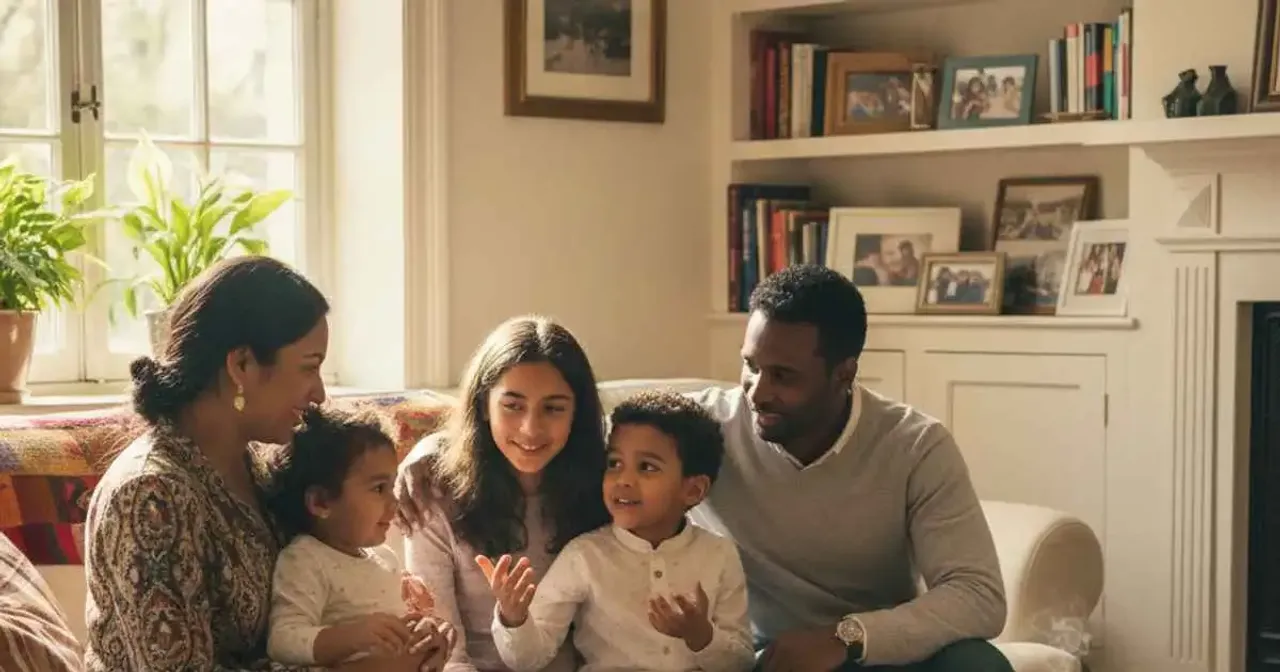
The Everyday Need for Healthy Relationships and Home Life
Strong personal bonds within the home shape emotional security, identity, and inner peace more than external achievements. In close Relationships, people seek understanding, safety, respect, and emotional closeness. When connections feel balanced, individuals grow with confidence and resilience. When they weaken, stress, misunderstanding, and emotional distance quietly take root.
At its core, Family life remains the emotional anchor where trust, care, and shared responsibility are learned and practiced daily, shaping how individuals relate to one another both inside and beyond the home.
Across cultures, including Arab and Sudanese communities, life within the household often carries shared responsibility, honor, and collective decision-making. At the same time, Modern pressures, shifting roles, financial strain, and generational change challenge even the most stable domestic structures. Building healthy relationships today requires intentional communication, emotional awareness, and respect for both tradition and individual needs.
Emotional Foundations That Sustain Close Bonds
Strong relationships rest on emotional safety. This sense of safety allows people to express concerns, needs, and feelings without fear of Judgment or rejection. Within marriage and home life, emotional stability develops through consistency, patience, and empathy.
Emotional well-being grows when people feel heard and valued. Simple actions, such as attentive listening or acknowledging feelings, create long-term trust. In many culturally rooted households, emotional expression may feel restrained, yet care still shows through reliability, protection, and quiet support.
When emotional needs remain ignored, resentment slowly replaces connection. Addressing emotional health early strengthens long-lasting bonds across generations.
Communication Habits That Strengthen Relationships
Communication shapes the quality of every relationship. Clear expression reduces assumptions, prevents unnecessary conflict, and builds understanding. Healthy connections rely on communication that respects tone, timing, and intention.
Effective habits include speaking honestly while remaining kind, choosing appropriate moments for difficult conversations, and listening without interruption. Misunderstandings often arise from unspoken expectations rather than direct disagreement.
In many cultures, respect is expressed through silence or indirect speech. While respect matters, silence can sometimes conceal unmet needs. Balanced communication honors cultural values while allowing emotional clarity to exist.
Managing Conflict Without Damaging Trust
Conflict exists in every close relationship. Healthy bonds handle disagreement without harming dignity or trust. Resolution depends on emotional Control, fairness, and shared problem-solving.
When tension escalates, emotional reactions often overshadow understanding. Raised voices, blame, or withdrawal weaken household harmony. Constructive conflict focuses on addressing issues rather than attacking character.
Within marriage and domestic life, respectful resolution strengthens trust. Sincere apologies and conscious forgiveness help relationships recover. When handled thoughtfully, disagreement can deepen connection rather than damage it.
Parenting Dynamics and Emotional Balance
Parenting influences home relationships more deeply than any single role. Caregivers shape emotional development, communication patterns, and responses to stress. Healthy guidance blends structure with emotional support.
Children thrive when discipline aligns with understanding. Firm boundaries combined with empathy teach responsibility without fear. In many households, elders play meaningful roles in caregiving, reinforcing values, traditions, and Behavioral expectations.
Balancing authority with warmth helps children develop emotional security and prepares them to form healthy relationships beyond the home.
Trust as the Core of Relationship Growth
Trust develops through consistency rather than perfection. Keeping promises, respecting boundaries, and maintaining honesty build confidence over time. Within close bonds, trust allows vulnerability to exist safely.
Broken trust often results from unmet expectations or emotional neglect rather than dramatic events. Repair requires Accountability, transparency, and patience. Restoration takes time, especially in deeply connected relationships.
Culturally, trust carries moral weight. Reputation, loyalty, and honor often connect closely with trustworthiness. Upholding these values supports emotional stability and long-term unity within the household.
Key Habits That Support Healthy Home Relationships
- Open and respectful communication
- Emotional availability during stress or change
- Shared responsibilities in daily life
- Healthy personal boundaries
- Consistent quality time together
- Mutual respect across generations
- Willingness to grow through challenges
These habits nurture balance, cooperation, and understanding in everyday life.
Shared Responsibility and Partnership at Home
Healthy relationships function best when responsibilities feel balanced and appreciated. Shared responsibility includes emotional labor, caregiving, decision-making, and household tasks. Partnership grows stronger when contributions are acknowledged rather than assumed.
In traditional settings, roles often follow cultural expectations. While structure offers stability, flexibility allows relationships to adapt to Modern demands. Mutual respect increases when roles feel chosen rather than imposed.
Strong partnership within marriage and home life reduces resentment and fosters teamwork.
Cultural Values and Expectations in Domestic Life
Cultural values shape relationships through tradition, respect for elders, and collective responsibility. Arab and Sudanese social structures often emphasize loyalty, hospitality, and shared decision-making. These values offer strength, identity, and belonging.
At times, cultural expectations may conflict with personal emotional needs. Healthy relationships allow dialogue between tradition and personal growth. Respecting roots while adapting to emotional realities strengthens long-term stability.
Connections grow healthier when values support openness rather than silence or pressure.
Navigating Change Across Generations
Generational differences influence communication styles, emotional expression, and expectations. Younger generations may seek openness and autonomy, while older generations prioritize respect and stability.
Healthy relationships bridge generational gaps through patience and dialogue. Understanding different perspectives reduces tension and strengthens unity.
Change does not weaken bonds when approached with empathy and shared purpose.
Building Healthy Relationships Over Time
Relationship growth requires intention rather than perfection. Strong bonds evolve through continuous effort, emotional awareness, and adaptability. Home life strengthens when individuals commit to growing together.
Small, consistent actions shape lasting connection. Emotional check-ins, intentional time together, and expressions of appreciation create meaningful impact.
Resilient relationships remain flexible, compassionate, and steady, even during hardship.
Frequently Asked Questions
What defines a healthy home relationship?
Emotional safety, mutual respect, open communication, trust, and shared responsibility.
How can couples improve communication?
By listening actively, speaking without blame, choosing calm moments, and validating emotions.
How should conflict be handled constructively?
Through calm discussion, respect for boundaries, and repairing trust rather than avoidance.
How can parents balance discipline and emotional support?
By setting clear boundaries while acknowledging feelings and modeling respectful behavior.