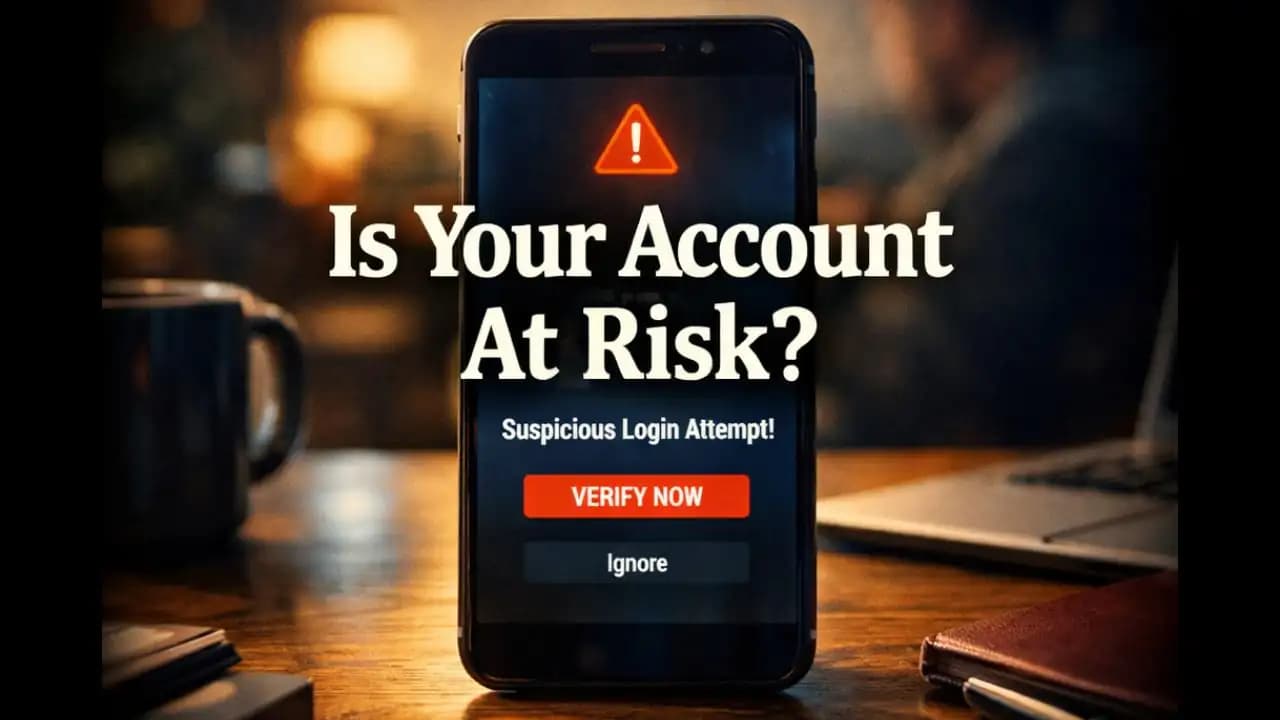



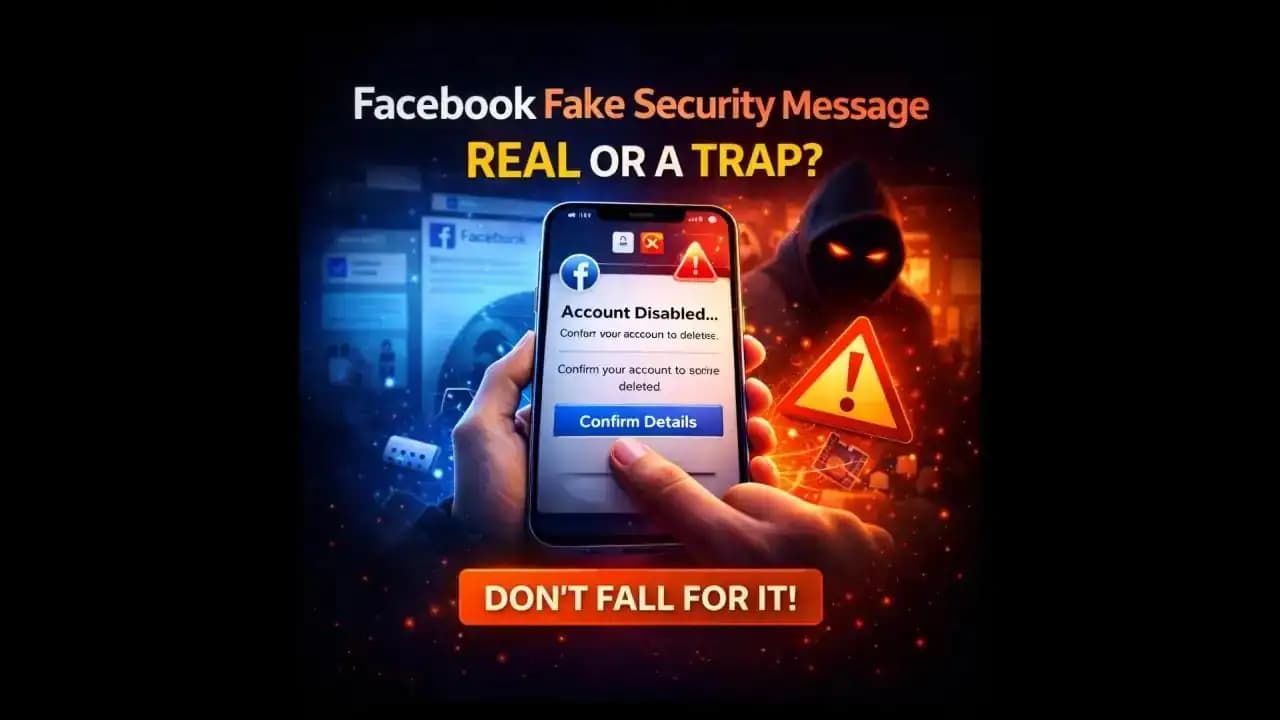
Facebook fake security message alerts have become common enough that many users barely pause when they see one. A notification pops up claiming unusual activity. A message warns that your Account may be disabled. A banner urges you to “verify now.” It feels routine almost responsibleto click and fix the issue immediately.
That instinct is exactly what makes these Messages effective.
In many Arabic-speaking countries, Facebook remains deeply woven into daily life. It’s where family updates are shared, businesses promote services, and community groups organize everything from school events to local marketplaces. When a warning appears on a platform that central to communication, it doesn’t feel like spam. It feels urgent.
And urgency narrows attention.
When Security Looks Like a Threat
Imagine logging in and seeing a notification that says your account has been reported for violating community standards. Or receiving a private message from something that looks like “Facebook Support” telling you to confirm your identity within 24 hours.
The design is familiar. The language sounds official. Sometimes the profile picture even uses the recognizable blue logo.
A Facebook fake Security message doesn’t always scream fraud. In fact, it often mimics the calm, corporate tone of real platform communications. That familiarity lowers defenses.
The goal is rarely to frighten you into panic. It’s to create just enough concern that you act quickly.
Why These Messages Still Work in 2025
Over the past few years, awareness around email phishing has improved significantly. Many users now ignore poorly written scam emails or suspicious links from strangers.
But scammers adapt.
Instead of sending clumsy mass emails, they now craft messages that mirror official notifications. They reference policies. They include realistic formatting. Some even use translated language tailored to Arabic-speaking audiences.
In 2025, the difference between legitimate and fraudulent communication often lies in subtle details most people don’t scrutinize during a busy day.
Facebook is also one of the few platforms used by multiple generations at once. Teenagers, parents, grandparents, entrepreneursall share the same space. That wide demographic reach makes it an attractive target.
The Emotional Hook Behind the Alert
Security (1) warnings trigger specific emotions: anxiety, fear of loss, and a desire to restore order.
If your Facebook account were Suddenly disabled, what would that mean? Lost memories. Lost business contacts. Disconnected groups. That imagined loss pushes people to resolve the issue immediately.
A Facebook fake security message plays on that vulnerability. It suggests your account is at risk and provides a convenient solution: click this link, log in here, confirm your details.
The problem is that the link often leads to a cloned login page designed to collect credentials.
The message doesn’t need to be sophisticated. It just needs to feel plausible.
The Subtle Art of Imitation
What makes these scams particularly effective today is how well they imitate real interface elements.
You might see:
- A message titled “Security Team”
- A warning about “copyright infringement”
- A notice about “suspicious login attempt”
- A request to “verify your identity to avoid permanent suspension”
Some messages even include case Numbers or references to policy updates.
In recent months, reports from various regions have shown that attackers are increasingly using local language variations, including dialect expressions, to appear more authentic. A message written in natural Arabic carries a different level of credibility than a poorly translated one.
It feels closer to home.
What Happens After You Click
If someone follows the instructions in a fake alert, they may be directed to a page that looks almost identical to Facebook’s login screen. The URL might differ slightly, but on a mobile device, that detail is easy to miss.
Once credentials are entered, access can shift quickly.
In many cases, attackers immediately change the Password and recovery email, locking the original user out. The compromised account might then be used to:
- Send scam messages to friends
- Promote fraudulent investment schemes
- Post misleading advertisements
- Harvest additional personal information
The damage isn’t always visible right away. Sometimes it unfolds quietly as contacts begin receiving strange messages from “you.”
Why This Matters for Everyday Users
For casual users, losing Access to a social account is frustrating. For business owners, community leaders, or content creators, it can be far more disruptive.
In several Arabic-speaking countries, Facebook functions as a primary marketplace. Small shops rely on pages to communicate with customers. Freelancers use Messenger for client coordination. Event organizers manage attendance through groups.
A compromised account can interrupt income streams and damage trust.
This is why a Facebook fake security message is not just a minor nuisance. It targets digital identity and economic activity simultaneously.
The Role of Familiarity and Habit
Modern digital life is full of notifications. We are constantly asked to verify, confirm, accept, and review. Over time, this creates automation in behavior.
We click first, evaluate later.
The repetitive exposure to legitimate security promptstwo-factor authentication codes, login alerts, password reminderstrains users to expect verification steps. That expectation becomes a vulnerability when exploited.
The message doesn’t need to be perfect. It only needs to align with what users already anticipate.
How Scams Blend Into Normal Platform Activity
One reason these fake messages go unnoticed is that real platforms do send legitimate security notifications. Facebook sometimes alerts users about new device logins or suspicious activity.
The difference lies in how and where those notifications appear.
Fraudulent messages often arrive via direct message, comment reply, or external link rather than through the platform’s official notification center.
But in the moment, many users don’t differentiate between communication channels. If it looks like it’s “inside” Facebook, it feels trustworthy.
That trust is what scammers borrow.
A Growing Sophistication in 2025
Digital literacy has improved over the past decade, but so have scam techniques. Attackers now design messages with clean layouts, correct branding, and even realistic timestamps.
Some campaigns target page administrators specifically, claiming copyright violations or advertising policy breaches. These scenarios feel urgent because they threaten visibility and revenue.
In the current digital climate, where online presence directly affects livelihood, even experienced users can feel pressure to act quickly.
Scams are no longer crude. They are contextual.
Why Awareness, Not Fear, Is the Real Defense
It’s easy to respond to these risks with anxiety. But fear alone doesn’t improve judgment. Calm awareness does.
Understanding that platforms rarely request sensitive information through unsolicited private messages shifts perspective. Recognizing that official communication typically directs users to log in through the main websitenot through embedded linksadds another layer of clarity.
Digital literacy today is less about memorizing warning signs and more about understanding patterns.
If a message creates urgency and asks for immediate action through a link, pause.
That pause interrupts the script scammers rely on.
The Personal Side of Digital Trust
Behind every compromised account is a person who trusted a message that looked real. There’s no shame in that. These scams are engineered to blend seamlessly into everyday interaction.
In many communities, conversations about online safety are still emerging. Discussing experiences openly helps normalize caution rather than embarrassment.
Just as people learned over time not to share ATM PIN numbers, we are now collectively learning to treat digital credentials with the same seriousness.
Trust online is valuable. But it should be earned, not assumed.
A Small Check That Protects a Big Presence
A Facebook fake security message often hinges on seconds. A quick tap. A fast login. A hurried decision between tasks.
In a connected world where notifications compete for attention, slowing down feels inconvenient. Yet that brief moment of evaluationchecking the source, noticing inconsistenciescan protect years of digital history.
Facebook remains widely used across generations and regions. Its familiarity is comforting. But familiarity should not override discernment.
The next time a warning appears, consider its context. Not every alert is an emergency. And not every message labeled “security” deserves immediate trust.
Sometimes, the most powerful response is simply to wait and verify before reacting.
Frequently Asked Questions
1. What is a Facebook fake security message?
It is a fraudulent notification or direct message that imitates official Facebook alerts and attempts to trick users into sharing login credentials or personal information.
2. How can I tell if a Facebook security alert is real?
Official alerts usually appear in your account’s notification center and do not request sensitive information through private messages or suspicious external links.
3. Why are these scams common in Arabic-speaking countries?
Facebook remains widely used for communication, business, and community activities in many Arabic-speaking regions, making accounts valuable targets.
4. What happens if I enter my password on a fake page?
Attackers may gain control of your account, change recovery details, and use it to contact your friends or promote scams.
5. Does Facebook ever ask for passwords via direct messages?
No. Legitimate platforms typically do not request passwords or sensitive verification details through unsolicited messages.