

Why Education and Digital Literacy Matter in Everyday Life
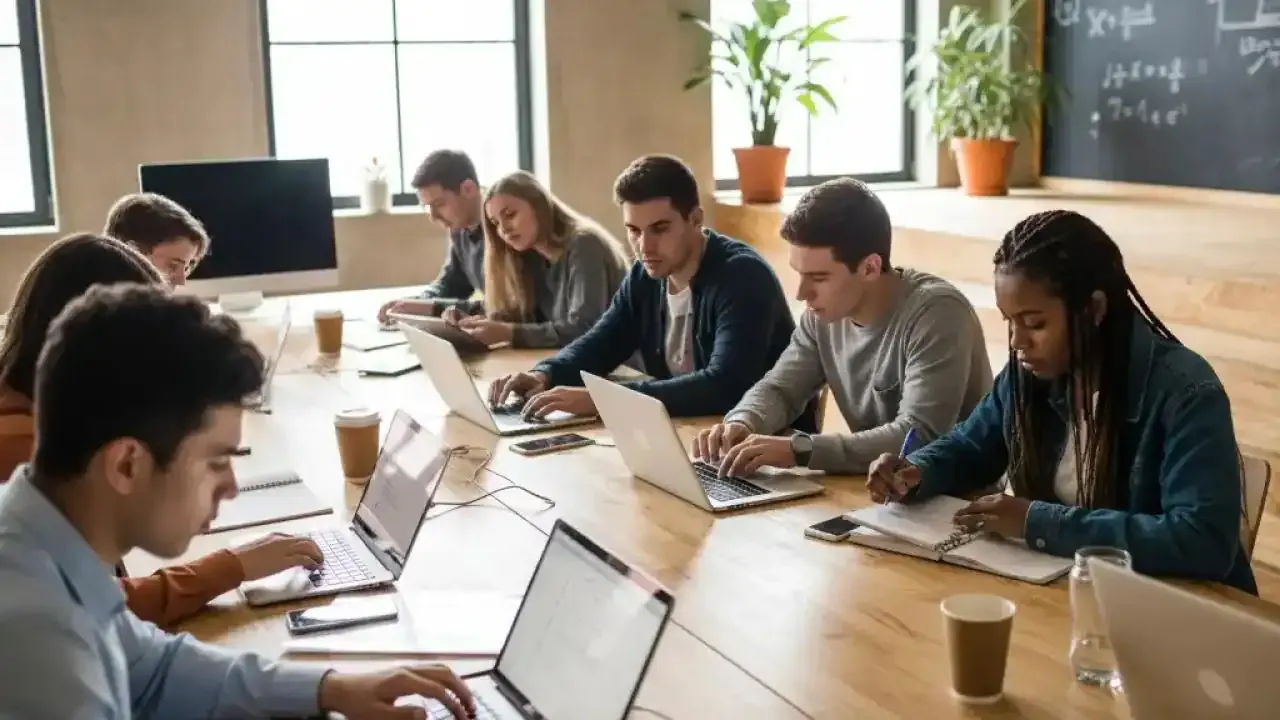
Learning today extends far beyond formal classrooms. Knowledge is accessed through devices, conversations, work tasks, and personal exploration. Education now blends traditional learning with technology-enabled experiences that influence how people think, adapt, and make decisions in everyday life. Understanding how to learn, evaluate information, and apply tools thoughtfully has become as important as subject knowledge itself.
At its core, modern education responds to real-world needs, helping people adapt Skills, judgment, and confidence to changing personal and professional demands without relying on constant formal instruction.
Modern learners navigate online resources, workplace platforms, remote communication, and self-directed study environments. These experiences can either support growth or create confusion, depending on one’s ability to engage with information critically and responsibly. Literacy in contemporary learning environments shapes confidence, independence, and long-term opportunity.
Learning in a Technology-Driven World
Education has evolved alongside changes in how information is created and shared. Learning now occurs through blended formats that combine in-person instruction, online platforms, mobile access, and independent research. This shift emphasizes understanding, adaptability, and problem-solving rather than memorization alone.
Students explore ideas through interactive tools. Professionals update skills continuously as industries change. Parents guide children through learning spaces that did not exist a generation ago. Learning has become ongoing rather than limited to early life stages.
Success in this environment depends on more than access. It requires the ability to evaluate sources, recognize bias, and apply knowledge effectively. Those who develop these habits gain greater control over their personal and professional development.
Everyday Skills for Modern Learning
Practical learning skills now influence daily tasks such as managing finances, applying for jobs, accessing health information, and communicating across distances. Confidence in these environments allows individuals to participate fully rather than feel overwhelmed.
People with strong learning awareness approach information with curiosity and caution. They ask questions, verify claims, and understand how platforms shape attention and behavior. This awareness supports thoughtful decision-making and reduces exposure to misinformation or manipulation.
For students, these skills improve research and comprehension. For adults, they support career flexibility and efficiency. For families, they help create balanced learning environments at home.
How Teaching and Learning Are Adapting
Educators increasingly act as guides rather than sole sources of information. Learning environments encourage discussion, exploration, and reflection. Technology supports personalization, allowing learners to revisit concepts, explore interests, and progress at suitable speeds.
Parents participate more actively in learning by supporting curiosity and responsible tool use. Workplaces offer short learning modules to help employees adapt without disrupting daily responsibilities. These approaches emphasize growth over perfection.
Education today is less about mastering every tool and more about knowing how to learn continuously as tools change.
Media Awareness, Safety, and Critical Thinking
Exposure to constant information requires strong judgment. Media awareness helps individuals identify misleading content, emotional manipulation, and unreliable sources. Critical thinking encourages reflection before sharing or accepting claims.
Responsible participation builds trust and credibility. Learners become more mindful of privacy, communication tone, and long-term impact. These habits support mental well-being and healthier online interactions.
Parents model thoughtful behavior for children. Educators demonstrate ethical research practices. Professionals protect both personal and organizational integrity through informed use.
Bridging Skill Gaps with Support
Access alone does not ensure understanding. Many learners struggle with confidence, guidance, or meaningful practice. Supportive environments help individuals develop skills gradually without fear of mistakes.
Families encourage exploration rather than comparison. Schools integrate tools thoughtfully. Employers recognize that learning curves differ and provide opportunities for development.
When learning feels supportive rather than pressured, engagement increases and skills deepen.
Personal Growth Through Learning Awareness
Learning supports personal development by encouraging reflection and autonomy. Individuals discover interests, adjust goals, and build resilience through intentional study habits.
Balancing screen use with reflection helps learners avoid overload. Growth emerges from purpose, not constant consumption. Confidence builds when individuals understand how to focus, evaluate, and apply knowledge meaningfully.
Modern success depends less on knowing everything and more on knowing how to learn effectively.
Practical Ways to Build Learning Confidence
Improvement comes through small, consistent actions. Learners benefit from organizing resources, questioning sources, setting boundaries, and practicing clear communication.
Parents can model balanced habits. Educators can design guided activities. Professionals can reflect on efficiency and focus.
Learning thrives through patience, awareness, and intentional practice.
Conclusion
Education today is a living process shaped by curiosity, adaptability, and thoughtful engagement. When learners understand how to navigate information, apply tools responsibly, and reflect critically, learning becomes empowering rather than overwhelming.
Strong learning habits support confidence, opportunity, and lifelong growth in a changing world.