


Walk through any university campus in Amman, one thing is impossible to miss: modest Fashion Trends no longer look like a compromise or Scroll late-night feeds in Dubai, or watch street-style clips from Jeddah. For Gen Z across the Arab world, modesty has become a creative language fluid, expressive, and unapologetically modern. What was once framed as tradition versus trend is now something more interesting: a confident blend of identity, aesthetics, and choice.
This shift didn’t arrive overnight. It’s the result of a generation that grew up online, fluent in global Fashion references yet deeply aware of cultural nuance. In 2026, modest fashion is less about covering up and more about showing upon their own terms.
From Dress Codes to Design Codes
For years, modest Fashion (1) was discussed in terms of rules: hemlines, sleeves, silhouettes. Gen Z has quietly changed the conversation. Instead of asking what’s allowed, they’re asking what feels right.
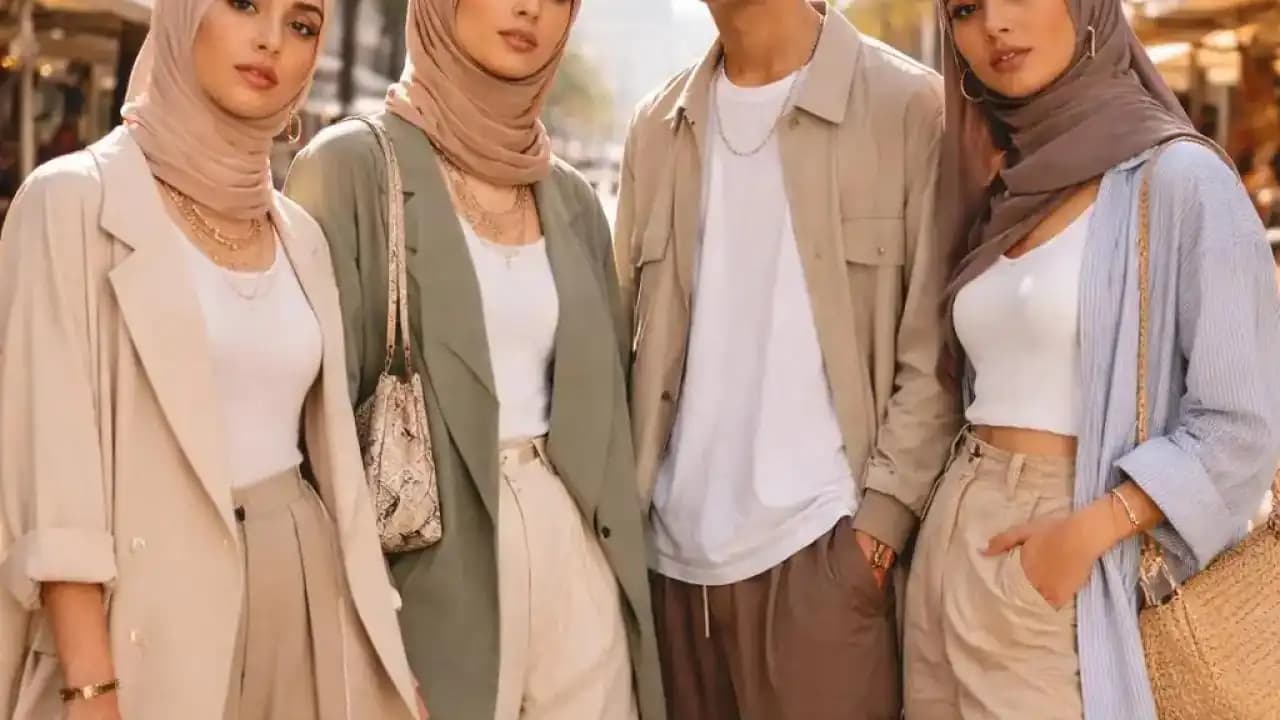
Oversized tailoring, layered textures, relaxed draping, and experimental proportions now define everyday looks. A loose blazer over a flowing dress. Wide-leg trousers paired with cropped outerwear. Statement scarves styled as accessories rather than obligations. The focus has shifted from restriction to intention.
This generation treats modesty as a design principle, not a limitation. Clothing is chosen for comfort, movement, and moodvalues that resonate globally but are interpreted locally. The result is fashion that feels lived-in rather than performative.
Identity Without Apology
What makes this evolution powerful is how openly Gen Z connects fashion to identity. For many young Arabs, modest fashion is not about signaling conservatism or rebellion. It’s about coherencealigning how they look with who they are.
Some wear hijab, some don’t. Some mix traditional garments with streetwear; others lean fully into contemporary cuts. What unites them is agency. Modesty is no longer something to explain or defend. It’s simply part of a broader personal aesthetic.
This confidence is especially visible online. On platforms like TikTok and Instagram, Arab Gen Z creators present modest outfits with humor, vulnerability, and zero defensiveness. The tone matters. They’re not educating outsiders or seeking validationthey’re sharing what they love.
The Collapse of Old Fashion Binaries
Gen Z’s approach has quietly dismantled several long-standing fashion binaries:
Modest vs. trendy
Outdated. Today’s modest fashion trends are often ahead of the curve, borrowing from runway silhouettes before they go mainstream.
Western vs. local
Irrelevant. Influences travel both ways. Korean minimalism, Parisian tailoring, and Gulf abayas coexist in the same wardrobe.
Religious vs. fashionable
Too simplistic. Faith, culture, and style overlap in complex, personal ways that resist neat categories.
By refusing these binaries, Gen Z has expanded what modest fashion can look likeand who it’s for.
Why This Shift Matters Beyond Clothes
Fashion may seem superficial, but this movement reflects deeper social changes. Gen Z in the Arab world is navigating rapid transformation: digital acceleration, shifting economies, evolving gender roles, and constant global exposure. Clothing becomes a way to negotiate all of that in public.
Modest fashion offers something rare: continuity without stagnation. It allows young people to honor cultural values while still participating fully in contemporary life. That balance is emotionally grounding in a fast-changing world.
There’s also a quiet inclusivity here. The new wave of modest fashion is less prescriptive, making space for different body types, levels of observance, and personal comfort. It doesn’t demand uniformityit invites interpretation.
Sustainability, Thrift, and the Anti-Haul Mindset
Another defining trait of Gen Z’s fashion culture is its skepticism toward excess. Fast fashion hauls and trend-chasing feel increasingly out of step with their values. In response, modest fashion trends are leaning slower and smarter.
Thrifting, clothing swaps, tailoring old pieces, and investing in versatile staples are all on the rise. Loose silhouettes lend themselves well to longevity; a well-cut coat or dress can be styled dozens of ways across years.
This mindset aligns naturally with modest fashion, which already prioritizes coverage, layering, and durability. What’s new is the intentionality. Gen Z talks openly about cost-per-wear, fabric quality, and ethical sourcingnot as buzzwords, but as practical considerations.
The Rise of Regional Micro-Aesthetics
Instead of one dominant look, 2026 is defined by micro-aesthetics shaped by city, subculture, and mood.
In Cairo, you’ll see vintage influences and artistic layering. In Riyadh, sharp tailoring meets soft neutrals. In Casablanca, traditional textiles are reimagined through contemporary cuts. These aren’t trends pushed from abovethey emerge organically from local communities.
This fragmentation is a strength. It resists homogenization and keeps modest fashion rooted in place, even as it circulates globally. For Gen Z, style doesn’t need to be universal to be valid.
Brands Are Following, Not Leading
Fashion brands have noticedbut they’re no longer in control of the narrative. Gen Z expects brands to listen first. Token “modest collections” without cultural understanding are quickly dismissed.
The brands gaining loyalty are those that collaborate with local creatives, offer inclusive sizing, and design with flexibility in mind. Neutral palettes, adjustable silhouettes, and thoughtful fabric choices matter more than flashy campaigns.
Importantly, Gen Z is comfortable mixing high and low. A tailored blazer from a local designer might be worn with thrifted trousers and mass-market accessories. The look is cohesive because the values behind it are.
Where Modest Fashion Is Headed Next
Looking ahead, modest fashion trends are likely to become even less labeled. As silhouettes loosen and layering becomes mainstream, the line between “modest” and “non-modest” fashion will blur further.
Technology will play a role too. Virtual styling, small-batch drops, and direct-to-consumer models suit a generation that values customization over mass appeal. Expect more niche brands, fewer seasonal rules, and greater emphasis on personal styling.
Most importantly, Gen Z will continue to define modest fashion emotionally rather than visually. How clothes make you feelconfident, comfortable, authenticwill matter more than how closely they follow any external standard.
A Quiet Revolution in Plain Sight
What makes this moment compelling is its lack of spectacle. There’s no manifesto, no single look to copy. Just millions of small, intentional choices made every morning.
In redefining modest fashion, Gen Z in the Arab world isn’t rejecting the past or chasing the future. They’re stitching together something that fits now. And in doing so, they’re showing the fashion world a more nuanced way forwardone outfit at a time.
FAQs
Is modest fashion becoming more popular globally?
Yes. As oversized silhouettes and layering become mainstream, modest fashion aesthetics are influencing global design beyond cultural boundaries.
Do all Gen Z Arabs define modesty the same way?
Not at all. Modesty is increasingly personal, shaped by individual values, comfort, and context rather than fixed rules.
Is modest fashion tied only to religion?
No. While faith plays a role for some, many embrace modest fashion for aesthetic, cultural, or practical reasons.
How does sustainability connect to modest fashion trends?
Loose, versatile garments often last longer and encourage mindful consumption, aligning well with Gen Z’s sustainability values.
Are brands keeping up with this shift?
Some are, but Gen Z tends to trust peer creators and local designers more than large labels unless they show genuine understanding.