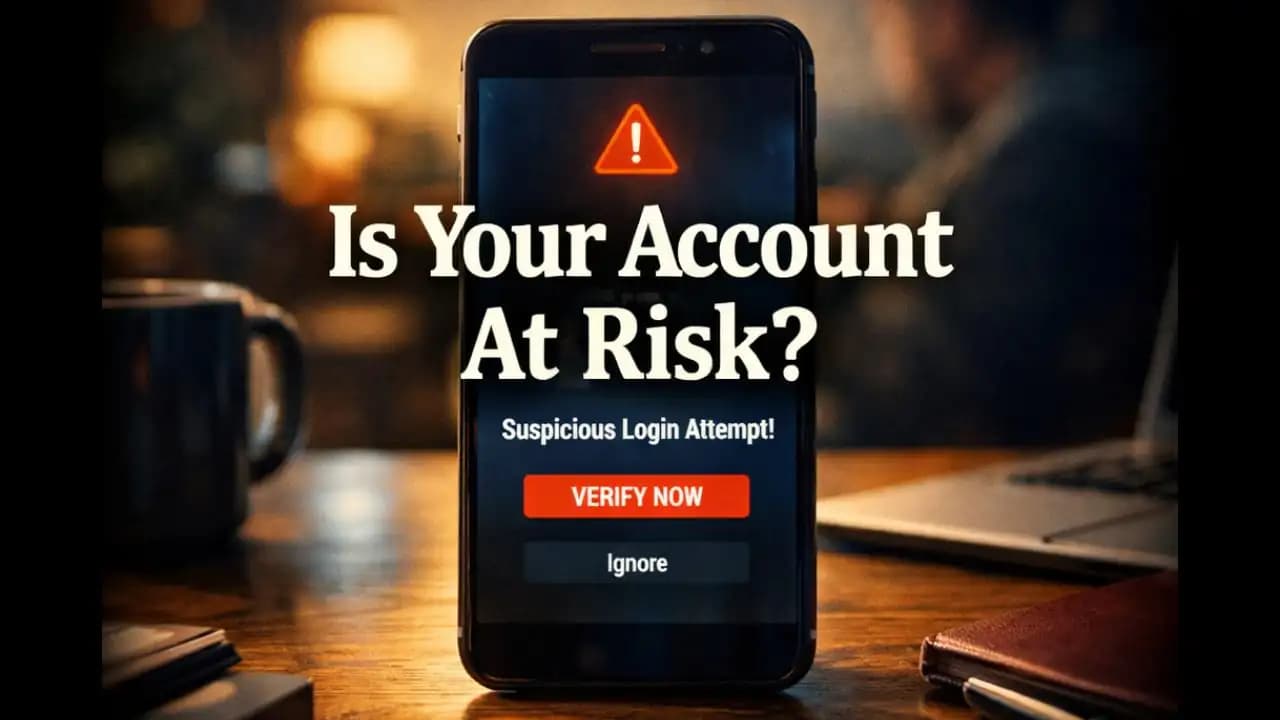



Telegram verification scam stories tend to start quietly: a notification arrives, a code flashes on your screen, and for a moment it feels like a normal part of modern digital life. We’ve all grown used to one-time passwords and verification messages. They’re meant to protect us. Yet in recent years, that small detail a verification code meant only for your eyeshas become one of the most misused tools in online scams, especially on messaging apps people trust and use every day.
Telegram, with its fast growth and global reach, sits right at the center of this shift. Across 2024 and into 2025, conversations about Account takeovers, impersonation, and social engineering on messaging platforms have become far more common. What’s striking isn’t the technology behind these scams, but how ordinary and believable they feel.
When security habits turn into blind spots
Verification Codes were designed as a safety net. They exist because passwords alone aren’t enough anymore. A short numeric code sent to your phone feels reassuring, almost boring. That familiarity is exactly why scammers target it.
On Telegram, verification codes are usually sent when someone tries to log in or register an account. The message looks official, concise, and urgent by nature. Scammers don’t need to hack anything sophisticated; they rely on timing, trust, and human reflexes.
The trick often lies in reframing the situation. Instead of asking for passwordswhich many people now know better than to sharescammers ask for the code “by mistake,” “to help recover an account,” or “to confirm something quickly.” The request sounds temporary, harmless, and reversible. It rarely is.
How these scams fit into everyday life
What makes Telegram verification scams especially effective is how seamlessly they blend into normal conversations. Unlike email scams that may feel distant or oddly formal, messaging app scams happen in real time. They arrive in the same place where friends, colleagues, and family already talk.
In many cases, the message appears to come from someone you know. Their account may already be compromised, or their name and photo copied convincingly. When a familiar contact says they’re “having trouble logging in” and asks you to forward a code you just received, the situation feels social, not technical.
This is where digital literacy becomes less about knowing features and more about understanding behavior. Scammers exploit politeness, urgency, and the instinct to help. The technology is just the delivery system.
Why Telegram is a frequent target
Telegram’s popularity across regionsincluding parts of the Middle East, North Africa, and South Asiamakes it attractive to scammers looking for scale. It’s used for Personal chats, business communication, communities, and even education. That diversity creates opportunity.
Another factor is perception. Telegram is often seen as private and secure, which can lead users to lower their guard. When people believe an app is “safer,” they’re less likely to question Messages that appear internal or system-related.
Over the past year, awareness campaigns have improved, but usage has also grown. More users mean more first-time experiences, and first-time users are often the most vulnerablenot because they’re careless, but because they haven’t yet learned the social patterns scammers rely on.
The real cost of a stolen code
At first glance, sharing a verification code might not feel like a big mistake. There’s no money exchanged, no suspicious link clicked. The consequences often show up later.
Once an account is taken over, it can be used as a tool against others. Friends may receive strange Messages, groups may be spammed, and private conversations can be accessed. In some cases, compromised accounts are used to promote financial scams or misinformation, creating a chain reaction of trust abuse.
For individuals who use Telegram professionally or as part of a public presence, the impact can be reputational as well as emotional. Losing control of a digital identityeven temporarilycan feel unsettling in a way that’s hard to explain until it happens.
Why these scams keep working
It’s tempting to ask why people still fall for this, especially as awareness grows. The answer isn’t ignorance. It’s context.
Scams don’t operate in isolation. They show up when people are busy, distracted, or emotionally engaged. A message asking for help during a workday or late at night doesn’t get the same scrutiny as one read calmly in the afternoon.
There’s also the illusion of reciprocity. If someone helps you solve a problem, you’re more likely to help them in return. Scammers recreate that dynamic quickly, sometimes within minutes of first contact. By the time doubt creeps in, the code has already been shared.
Digital trust in the age of messaging apps
Messaging apps have changed how trust works online. We no longer evaluate messages purely by content; we judge them by proximity. If it comes from a known chat, it feels safer. If it arrives instantly, it feels legitimate.
This shift is one of the biggest challenges in digital literacy today. Knowing that a platform uses verification codes isn’t enough. Understanding that no legitimate system ever asks users to share themregardless of tone, urgency, or familiarityis the deeper lesson.
In 2025, this kind of awareness matters as much as knowing how to spot fake websites did a decade ago. The threats have moved closer to our social spaces.
Looking ahead: awareness over anxiety
The goal isn’t to become suspicious of every message or to fear using popular apps. Telegram remains a useful and powerful communication tool. The challenge is learning where human behavior intersects with system designand where that intersection can be exploited.
As platforms continue to evolve, scammers will adapt. Verification codes may change format, delivery methods may shift, but the core tacticconvincing someone to hand over a temporary keywill likely remain.
What changes outcomes isn’t panic or technical mastery. It’s calm recognition. Pausing for a moment, questioning why a code is being requested, and remembering its purpose can interrupt even the most convincing setup.
A quieter kind of digital confidence
Digital literacy isn’t about memorizing rules. It’s about developing instincts that match how technology actually shows up in life. Telegram verification scams succeed because they feel ordinary. Resisting them requires making one small thing feel important again.
That short code on your screen isn’t just a number. It’s a boundary. Treating it that waywithout fear, without dramais part of navigating modern communication with confidence.
Frequently Asked Questions
What is a Telegram verification scam in simple terms?
It’s a scam where someone tricks a user into sharing a Telegram login or verification code, allowing the scammer to access the account.
Why do scammers want verification codes instead of passwords?
Verification codes are often enough to log in, and people are more likely to share them because they feel temporary and harmless.
Can this happen even if my Telegram account is otherwise secure?
Yes. Even strong passwords don’t help if a verification code is shared, because the code itself acts as a login key.
Are these scams limited to Telegram?
No. Similar tactics appear on other messaging and social platforms, but Telegram is a common target due to its widespread use.
Is awareness really enough to prevent these scams?
In most cases, yes. Simply knowing that verification codes Should never be shared dramatically reduces the risk.